In Nigeria today, the idea of paying between ₦3 million and ₦20 million, or even more, annually for a child’s education in elite private schools is no longer a rarity—it has become the norm for those who seek what they deem a superior form of learning.
Institutions like Charterhouse Lagos, British International School, Lekki British School, and others command fees that run into tens of millions of Naira each year.
Parents, driven not by the allure of prestige alone, but by a deep conviction, willingly invest in this financial sacrifice. For them, it is a necessary step, one taken in response to the growing belief that public schools have failed to uphold their promises of quality teaching, solid infrastructure, consistency, and safety.
Pinnacle Daily explores the issues behind these fee levels, the pressure points compelling parents toward private education, and the wider implications for public schooling in Nigeria.
Private Education Fees
Some of the most expensive private schools in Nigeria charge the following approximate fees:
Charterhouse, Lagos (primary): estimated as high as ₦42 million per year.
British International School, Lagos: estimated over ₦6 million per year.
American International School, Abuja: estimated at ₦5.5 million per year.
Lekki British School, Lagos: estimated at ₦4–5 million per year.
Grange School, Ikeja: estimated at ₦3.5–4 million per year.
Greensprings School, Lagos: ≈ ₦3 million+ (day); significantly higher for boarding.
Whiteplains British School, Abuja: estimated at ₦1.4 million (boarding) at secondary level; ≈ ₦750,000 (primary); ≈ ₦350,000 (Montessori).
Regent School, Abuja: estimated at about ₦2 million per year.
READ ALSO: Plight of Nigerian Teachers, 65 Years After Independence
These fee levels, Pinnacle Daily gathered, reflect not only tuition but also costs of boarding, facilities, curriculum licensing (IGCSE, IB, Cambridge, etc.), staff salaries, security and high overheads (power, maintenance, imported materials).
Drivers Behind Soaring Private-school Fees
From interviews with parents, school administrators and reviewed data, several key factors emerge:
Qualified Staff & Remuneration
Private schools often compete by hiring UK-, US- or other internationally trained teachers. To attract and retain such staff they must offer salaries far higher than those in the public sector, plus benefits, housing and other perks.
High Operational & Running Costs
• Imported curriculum materials and examination fees (IGCSE, Cambridge, IB, etc.).
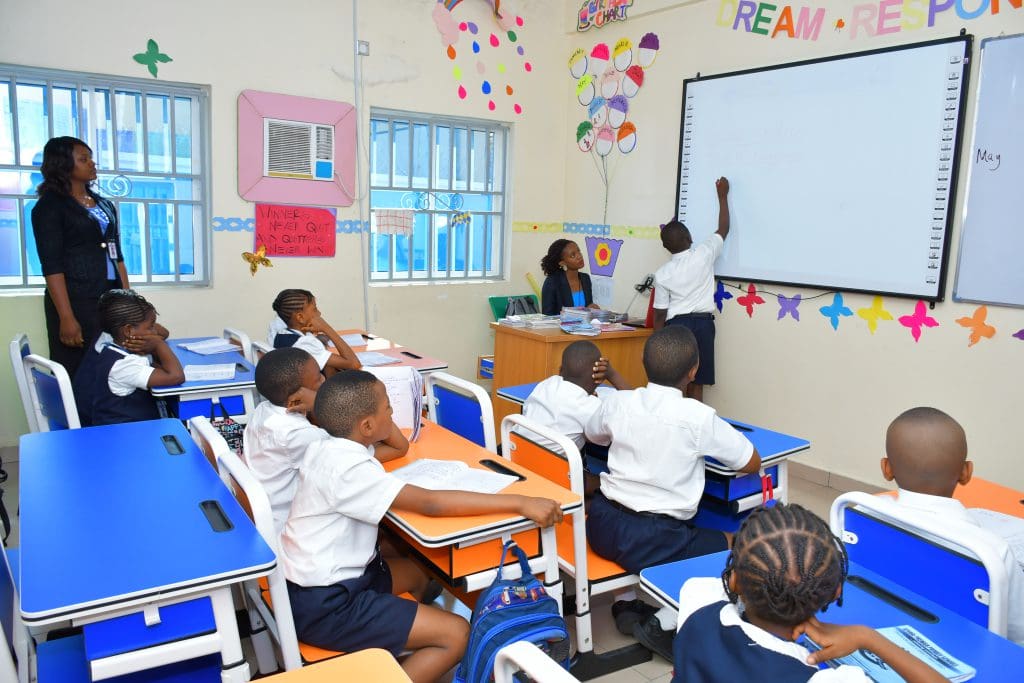
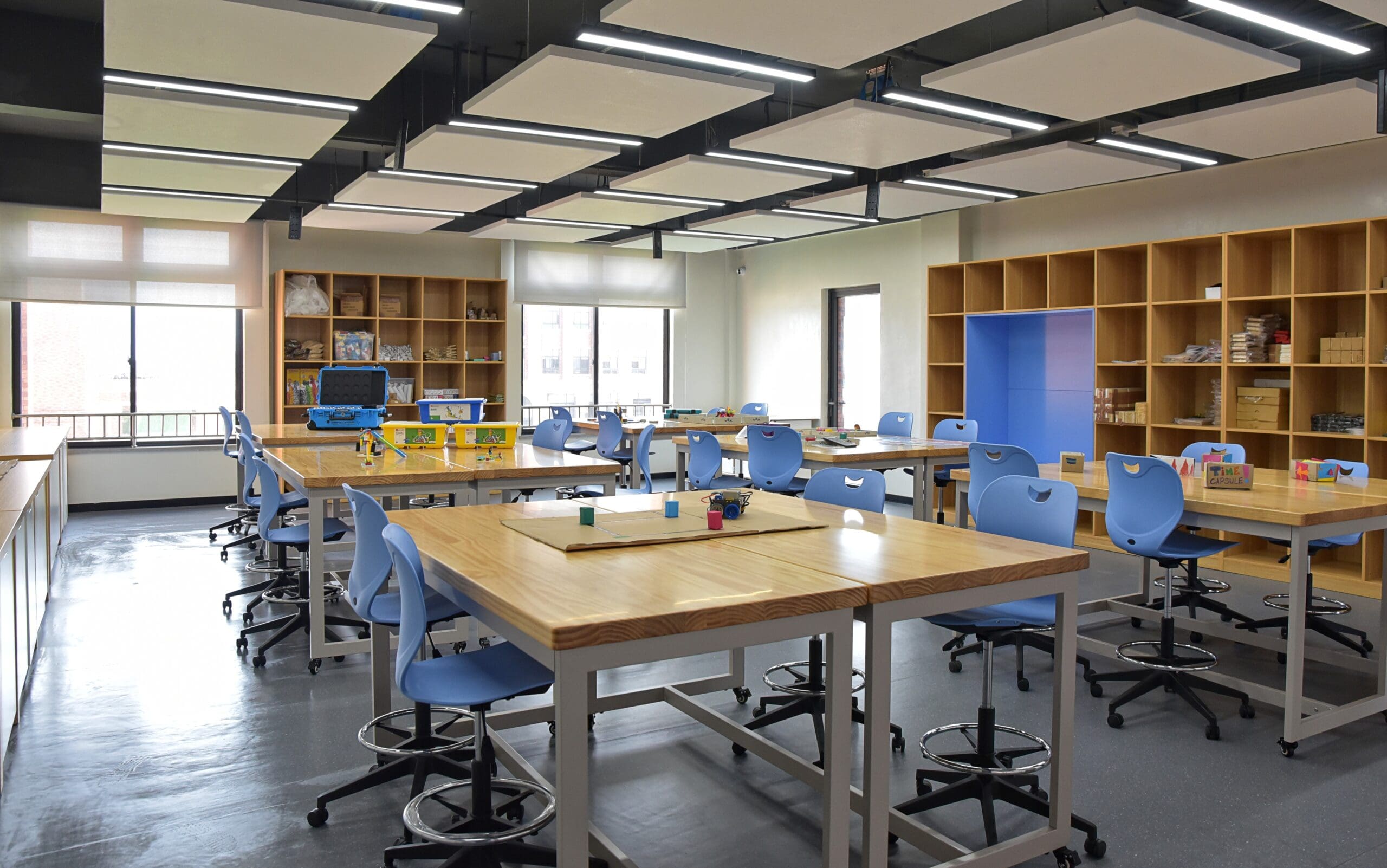
• Utilities (generators, stable electricity, water), technology (smartboards, labs).
• Security and health-and-safety costs.
• Maintenance of modern facilities (science labs, sports fields, arts studios).
Taxation and Regulatory Costs
Many private schools cite heavy taxation, levies by local governments, compliance costs and bureaucratic impediments as adding to overheads.
READ ALSO: 260 Smart Green Schools, Enugu Govt Launches Transition
Demand for Prestige, Safety and Environment
Parents repeatedly state that they prefer private schools because of smaller class sizes, greater structure, improved security, more individual attention and safer school environments. These features cost more to provide.
Subsidized Models
A case in point is Whiteplains British School, Abuja. As Pinnacle found, Whiteplains has intentionally kept fees significantly lower than many counterparts offering similar curricula, due to a board decision (since 2007) to subsidize fees in order to accommodate high, middle and lower-middle classes. At secondary level (boarding), first term is about ₦1.4 million; primary about ₦750,000; Montessori about ₦350,000.
Public Education: The Gaps and Consequences
Why are parents so ready to pay, even stretch budgets, for private schools? The answer lies in what public education currently offers and what it fails to provide:
A. Underfunding
Nigeria allocates about 7–8% of its national budget to education. UNESCO recommends 15–20%. In 2025, the federal education budget was ₦3.52 trillion (≈7% of a ₦54.99 trillion total budget). Of that, ₦1.64 trillion was earmarked for teacher salaries, yet estimates put the required amount for salaries alone at ₦1.93 trillion — a shortfall of about ₦290 billion.
B. Low salaries & low teacher motivation
Entry-level teachers in public primary schools often earn between ₦50,000–₦70,000 per month depending on location. Seniority and qualifications may raise that to ₦100,000–₦150,000 in better states. Teachers in premium private/international schools can earn significantly more, often between ₦400,000 and ₦1,200,000+ depending on prestige, experience and responsibilities.
C. Dilapidated infrastructure, overcrowding and poor resources
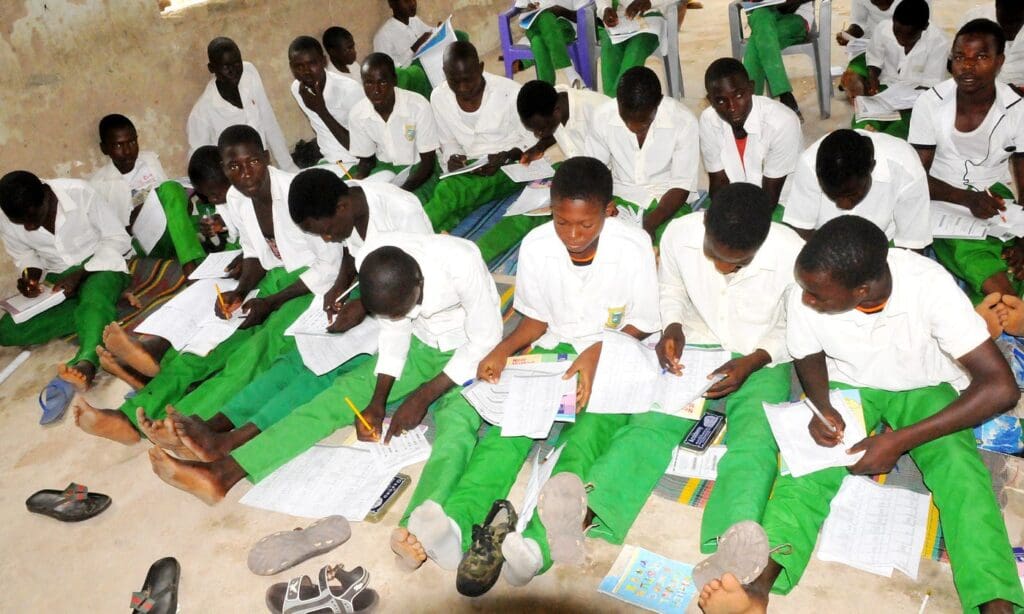
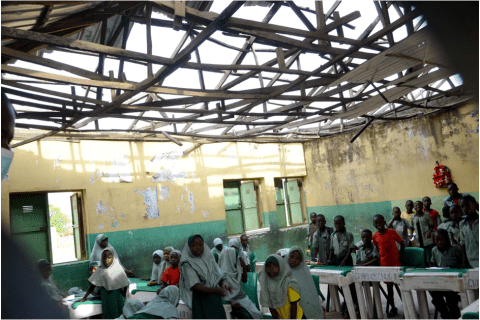
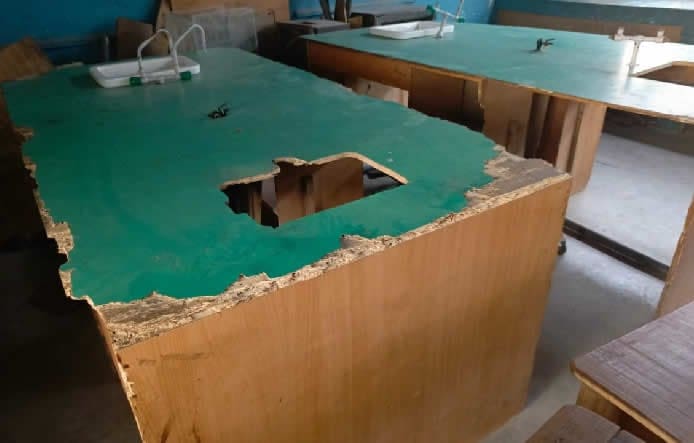
Many public schools lack basic infrastructure such as classrooms, laboratories, libraries, electricity and clean water. Overcrowding is widespread. Learning materials are insufficient; teaching often occurs without modern tools or with outdated resources.
D. Inconsistency & reliability
Teachers’ salaries are sometimes delayed; industrial actions (strikes) shut down schools — a case in point is a recent strike in Abuja, the nation’s Federal Capital Territory. Curricular disruptions due to teacher absenteeism or state budget shortfalls affect continuity. In many government schools, class sizes are large and monitoring and oversight weak.
Voices From the Ground
“For me, choosing a private school isn’t just about prestige — it’s about quality and attention. Private schools tend to have smaller classes, more structure, and a closer relationship between teachers and pupils.” – Parent, Abuja (pre-school)
“My reasons for enrolling my children in private schools are mainly three: 1) quality assurance; 2) networking among the wealthy; 3) safety of my kids.” – Parent, Kogi State
“In public schools, teachers are not well paid and are often neglected. This kills their motivation; many opt for alternate means to keep up with economic realities. The budget for education should be reviewed — borrow a leaf from best practices abroad.” – Headmistress, Public School, Abuja
From the above, the data clearly, though sadly, demonstrate that parents see private schools as filling a gap left by public schooling in Nigeria.
International Comparisons & Best Practices
To understand how Nigeria might address some of these challenges, it helps to compare with other countries in Africa and beyond:
Kenya: Education receives about 6–7% of GDP. The country has invested in teacher pay reforms and professional development programmes. While many public schools remain under-resourced, there is stronger oversight, grants for school infrastructure and efforts to reduce class sizes in early primary years.
Ghana: The country often spends a higher share of its national budget on education (reported in some years at 18–20%). Ghanaian teachers benefit from more stable salary payments and allowances for rural postings. Public primary schools frequently have better basic infrastructure; the government subsidizes books and materials in some areas, and parent and community involvement is high.
READ ALSO:Gombe Sets Jail Term For Parents, Guardians of Out-of-school Children
Developed systems (Singapore, Finland): These countries invest heavily per pupil; teachers enjoy high professional status and continuous training; teacher–student ratios are small. Schools are uniformly well resourced and held to consistent standards.
These comparisons suggest that Nigeria’s gaps are not inevitable but are linked to funding, governance, professionalization and political priority.
The Consequences: Who Bears the Cost
1. Inequality: Elite private-school costs exclude many lower-income families. Even middle-income households may stretch finances, forgoing other necessities.
2. Educational segmentation: Children from privileged households access better facilities and curricula; those in public schools or low-fee private schools have poorer outcomes. This produces gaps in achievement, examination performance, university access and future opportunities.
3. Brain drain within the education sector: Qualified teachers leave public schools for higher pay in private schools, or exit the country or profession entirely. This weakens public service capacity.
4. Unsustainable private costs: Continued rises in private-school fees could lead to wider discontent, higher household debt burdens and severe pressure on families if the economic environment worsens (inflation, currency depreciation, etc.).
Why Subsidized Models like Whiteplains are Rare but Important
Whiteplains’ board decision (since 2007) to offer lower fees (approximately ₦1.4 million for the first term for secondary boarders) shows that with conscious strategy, private education can be made more affordable. But such models are rare because:
Subsidy requires lower profit margins and tight cost control.
Many private schools are for-profit and seek returns on invested capital (campus construction, land, imported curricula, etc.).
Regulatory tax relief or incentives for schools that widen access are few or poorly implemented.
What Must be Done
In an exclusive chat with Pinnacle Daily, a principal in a public LEA secondary school in Abuja (who spoke on condition of anonymity) argued that, to relieve both parents and pressure on the system and to elevate public education, the government should increase the education budget to 15–20% in line with international and AU/UNESCO recommendations. She emphasized that more funds must be allocated to basic education, teacher remuneration, infrastructure and learning materials.
She further proposed timely and adequate salary payments, incentives for rural or underserved postings, investment in laboratories, libraries and classrooms, transparent budgeting, and reducing leakages and corruption through regular audits of education funding.
READ ALSO:Sokoto Suspends School Fees as Commissioner Orders Principals to Comply
On the other hand, a school administrator in a mission school in Calabar, the Cross River State capital, opined that tax incentives should be given to schools that maintain lower fees or provide scholarships for lower-income families. He also maintained that parents should be empowered to demand better performance in public schools by strengthening School Management Committees (SMCs) and Parent-Teacher Associations (PTAs) with genuine oversight capacity.
The sharp rise in fees at Nigeria’s private basic schools is a symptom of deeper systemic issues in public education: underfunding, neglect of teacher welfare, weak infrastructure, unreliable delivery and insufficient regulatory oversight.
Parents’ reactions are rational: they see private schools as safer, more stable and better at delivering outcomes for their children. But this “exit” from public education is not a sustainable solution for a nation of over 200 million people. For Nigeria to fulfil its human-capital potential it must close the gaps: make public education competitive, affordable and worthy of the millions who currently pay private fees.
If not, the cost of neglect will be borne not just by families but by society: in entrenched inequality, widening social divides and unfulfilled national promise.