On November 10, 1995, the Nigerian military regime of General Sani Abacha executed Ken Saro-Wiwa and eight of his colleagues, now remembered worldwide as the Ogoni Nine, after a trial that was widely condemned as a travesty of justice. Saro-Wiwa and others were involved in non-violent protest and advocacy for the Ogoni people, a minority …

On November 10, 1995, the Nigerian military regime of General Sani Abacha executed Ken Saro-Wiwa and eight of his colleagues, now remembered worldwide as the Ogoni Nine, after a trial that was widely condemned as a travesty of justice.
Saro-Wiwa and others were involved in non-violent protest and advocacy for the Ogoni people, a minority community in Nigeria’s oil-rich Niger Delta whose land and waterways had been devastated by decades of crude oil extraction. The hanging of Saro-Wiwa became a defining moment in Nigeria’s history, symbolizing the clash between state power, corporate greed, and the rights of indigenous communities.
Thirty years later, the question still lingers: what has truly changed in Ogoniland? Has the land healed? Have the people recovered, and has justice finally been served?
The Struggle

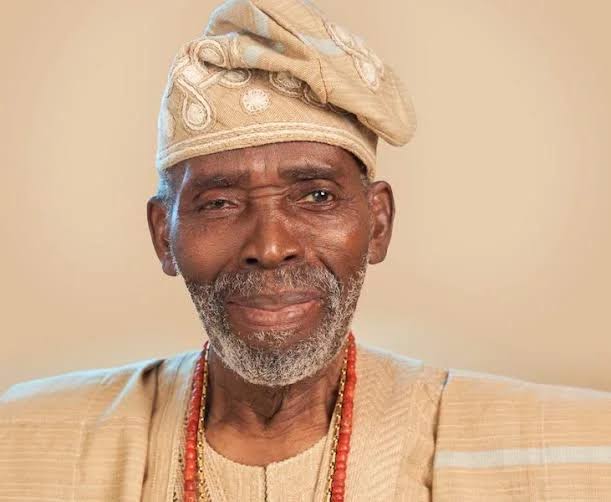
Ken Saro-Wiwa
Ken Saro-Wiwa was born in Bori, Rivers State, in 1941, of the Ogoni people. His early writing, television work, and later activism with the Movement for the Survival of the Ogoni People (MOSOP) laid bare the ecological devastation of Ogoniland. The struggle culminated in the 1990s with the Ogoni Bill of Rights, demanding environmental remediation, fair revenue, and self-determination. The execution of Saro-Wiwa and his colleagues triggered international outrage and sanctions (such as Nigeria’s suspension from the Commonwealth of Nations) and placed the abuses of the Niger Delta in global view.
READ ALSO: 3 Decades After Abacha’s Execution, Tinubu Honours 4 Ogoni Leaders
But thirty years on, the struggle remains unfinished: the people of Ogoni demand not only honours but also justice, and the land demands not only words but also restoration.
Environmental Remediation: Progress and Pitfalls
What has been achieved


Ogoni women restore mangroves and livelihoods in oil-rich Niger Delta

HYPREP report shows significant progress in Ogoni mangrove and shoreline cleanup
In 2011, the United Nations Environment Programme (UNEP) released a landmark report detailing the extent of environmental damage in Ogoniland. The report prompted the Nigerian government to establish the Hydrocarbon Pollution Remediation Project (HYPREP) to oversee a comprehensive cleanup of the region. Over the years, HYPREP has announced what appears to be substantial progress. By June 2025, the agency reported that mangrove restoration in awarded sites had reached 93 percent, while shoreline remediation stood at about 53 percent. Fifty simple-risk sites were said to have been certified as closed, and soil and groundwater remediation were underway at medium-risk locations.
Three species of mangroves—both white and black types—were replanted to revive damaged ecosystems. Infrastructure projects such as the Centre of Excellence for Environmental Restoration (CEER), a 43-bed cottage hospital in Buan, and a 100-bed Ogoni Specialist Hospital were also reported to be nearing completion, with HYPREP claiming between 76 and 93 percent completion rates. On paper, these developments mark a level of progress never before achieved in the region’s long history of neglect.
Persisting Challenges

Shell Pipeline Spill Fouls Farm, Rivers

Nigeria’s Trans Niger Oil Pipeline Bursts, Spilling Crude
However, behind the official statistics lies a far more complex and less reassuring reality. Many Ogoni residents and independent observers question both the accuracy and the transparency of HYPREP’s reports. Illegal refining, pipeline vandalism, and new oil spills continue to devastate the environment. In May 2025, for instance, a rupture on the Trans-Niger pipeline spilled crude oil into the B-Dere community, reigniting public anger. Critics argue that despite impressive figures, large portions of Ogoniland remain heavily contaminated, and many cleanup sites are yet to be touched.
A civil rights lawyer, Barrister Harrison Uket, observed that“The cleansing of Ogoniland is what every President does, starting from Obasanjo. Jonathan, in his time, did a lot compared to others, but it is always all political and an attempt to buy favours from some angles.” He called for justice to be done in Ogoniland. The activist said Tinubu’s offering of posthumous national awards is not enough to appease the Ogoni people, urging the president to go beyond the national honours, and “fulfil the Ken Saro-Wiwa dream to the Ogoni people.”
Uket’s comments reflect the deep-seated frustration among the Ogoni people who have seen successive governments make promises without delivering genuine, lasting solutions. Many feel that the cleanup, though commendable in parts, remains politicized, fragmented, and incomplete.
Oil-Field Status and the Question of Resumption
Current extraction dynamics

Oil Giants Accused of Dodging Niger Delta Clean-up As UN Panel Intervenes

Half a Century of Oil Spills in Ogoniland
While large-scale extraction in Ogoniland itself by major players has largely ceased since the 1990s, the region continues to host vital oil infrastructure, including pipelines that transport crude from neighboring fields. In early 2025, protests erupted when the Nigerian government announced plans to resume oil drilling in Ogoniland.
READ ALSO: Ogoni Re-entry not Solely about Oil Production, but justice and fairness – NNPCL
The resumption debate: conflict or opportunity
Supporters of resumption argue that restarting oil production could revive local economies, create jobs, and generate revenue for both the region and the state. Opponents, led by MOSOP and other civil society groups, strongly disagree. They insist that no oil activity should resume until the environment is fully remediated and the Ogoni people themselves are meaningfully involved in decision-making. Their rallying cry—“No exoneration, no oil resumption in Ogoniland”—captures the enduring mistrust that continues to define relations between the community, the government, and oil companies.
Ken Saro-Wiwa’s warning that oil should not again become a curse for the Ogoni people remains as relevant now as it was thirty years ago.
The People and the Economy: Has the Land Benefited?

Ogoni women restore mangroves and livelihoods in oil-rich Niger Delta
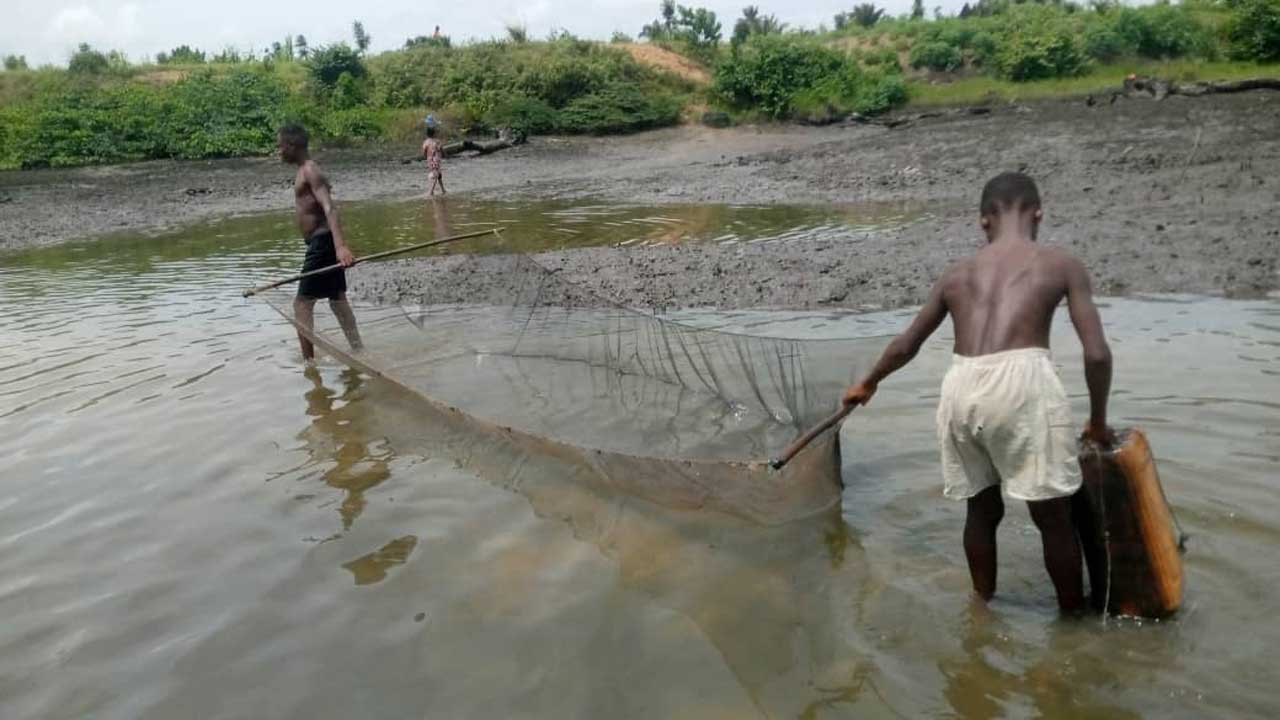
Ogoni Resident Still Laments Slow Pace of Clean-up
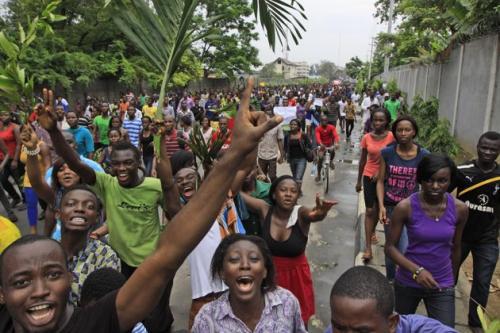
Ogoni Youths Give Oil Firms Ultimatum Over Unemployment
Beyond the polluted soil and broken pipelines lies a human tragedy that has spanned generations. Thirty years on, the Ogoni people continue to struggle with economic hardship, unemployment, and poor access to healthcare. Fishing and farming—the lifeblood of Ogoni livelihoods—have been decimated by oil spills and contaminated water. While HYPREP’s livelihood and youth training programmes offer hope for skill development and job creation, many communities remain skeptical that these benefits will reach ordinary people.
The gap between environmental recovery and socio-economic revival remains wide. For the Ogoni people, the real measure of progress will not be in reports or statistics, but in whether they can once again drink clean water, cultivate their land, and sustain their families without fear of pollution.

Justice, Honours and the Legacy of the Ogoni 9
Thus, the question is not only what has been done? But who has done it, for whom and in what spirit?
Where Things Stand and What Must Happen
Positive headlines
Significant progress represents a real shift: mangrove restoration at 90%+ (in awarded sites) and shoreline remediation heading past 50%. The institutional architecture for remediation, remediation + livelihoods, and community participation is in place. Also, the global profile of Ogoniland remains high: it is a global case study of environmental justice, corporate accountability and indigenous rights.
Unfinished business
Many oil-impacted sites remain contaminated; timelines remain long (the initial UNEP report projected decades). Fact-checkers caution against premature claims of “80% complete”. Also, oil extraction plans threaten to reopen old wounds if not handled with maximum care, as civil-society groups warn of renewed conflict. Most concerning, socio-economic revitalisation (jobs, youth training, alternative economy) lags behind physical remediation.
READ ALSO: Amnesty Programme Sends 161 Niger Delta Beneficiaries to UK for Studies
Furthermore, justice remains symbolic more than substantive, because a pardon is not an exoneration; remediation that favours external actors over community ownership risks repeating cycles of marginalization.
Thirty Years After?
Thirty years after the hanging of Ken Saro-Wiwa and his colleagues, Ogoniland stands at a crossroads. The land shows signs of recovery. The institutions for remediation exist. But the deeper promise, that the oilfield, the pipelines, and the revenue streams will one day serve the Ogoni people rather than devastate them, remains unfulfilled.
If the words of Saro-Wiwa ring true, that “the struggle continues,” then that struggle is no longer only about monuments or pardons. It is about whether the people of Ogoni will walk from the oil-spill shadows into thriving communities of restored land, clean water, meaningful work and justice.
The condition of the oilfield today is neither the inferno of the 1990s nor the full restoration of the future. It is a space in flux, a still-haunted terrain of memory, oil, cleanup and hope. What Ogoniland needs now is not only remediation but transformation.