

Oil and gas operators, led by the Independent Petroleum Producers Group (IPPG) and the Oil Producers Trade Section (OPTS), have called on the Nigerian government to address the burden of multiple fees and charges they face in the industry, warning that the overlapping costs are making Nigeria’s petroleum sector uncompetitive.
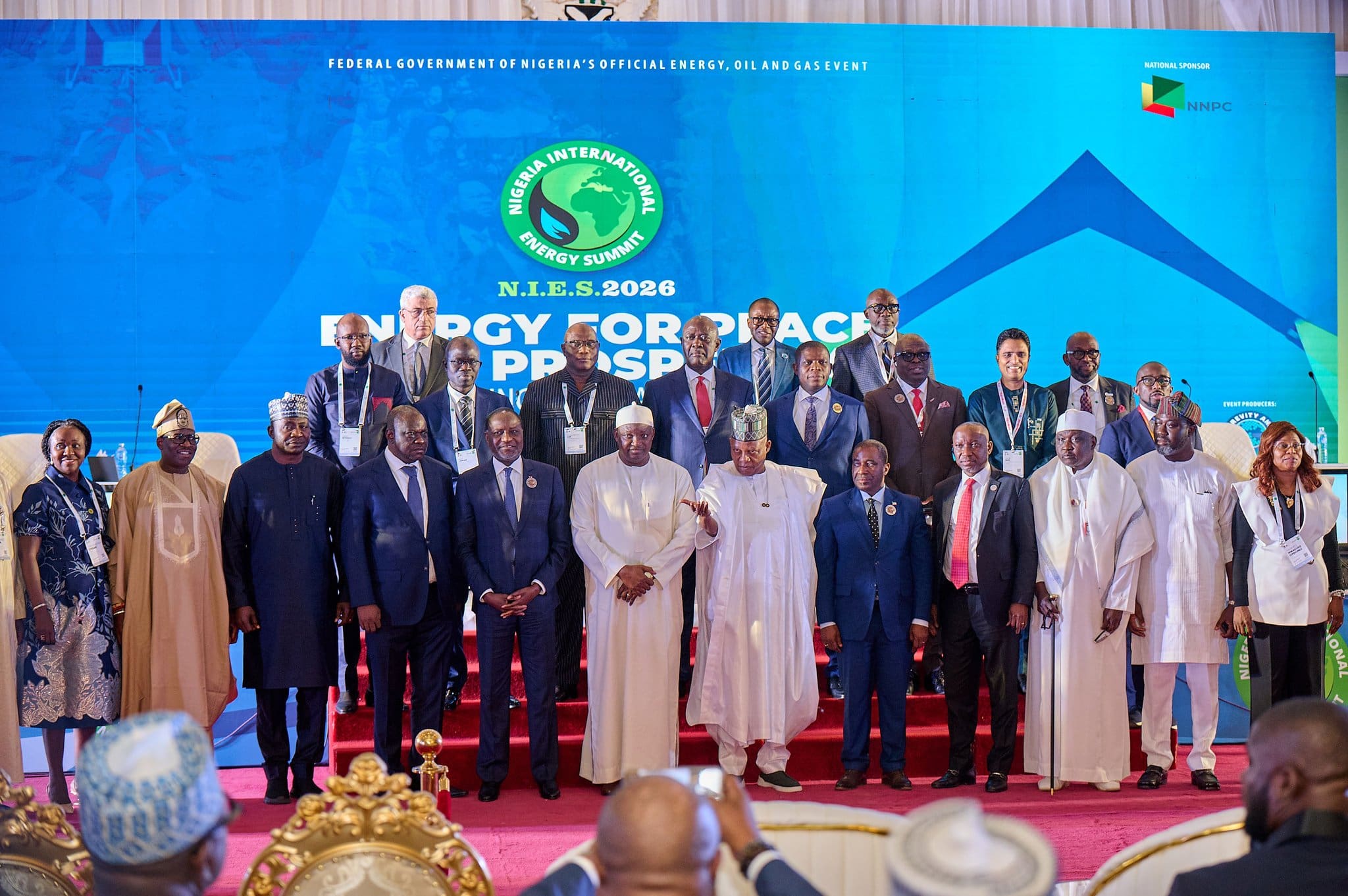
Chairman of IPPG and Managing Director of Aradel Holdings, Mr. Adegbite Falade, made the call while speaking at the 2026 Nigeria International Energy Summit (NIES) in Abuja on Tuesday, February 3.
Falade, who acknowledged that government policy initiatives have contributed to certain beneficial advances in the business, however, insisted that some problems still deter entrepreneurs and make their operations challenging.
He called on the government to tackle the persistent bureaucratic bottlenecks and streamline multiple fees and charges.
He urged all regulatory stakeholders to fix infrastructure, continue to create policies and conditions that make the environment conducive for private investors to play in the industry and create value for the economy.
The IPPG chairman stressed that without addressing the challenges, operators will not be able to cover the massive gap in their potential to make a significant contribution to the nation’s GDP.
READ ALSO:
- African Energy Bank Will Boost Energy Security, Inclusive Growth – Lokpobiri
- Nigeria’s Oil Production: Five Years of Fluctuations, Recovery, Key Insights
- Oil, Gas Resources Remain Vital to Africa’s Development – NUPRC CEO
“We must reduce bureaucracy, we must streamline industry fees and related charges, just to make sure that operators remain competitive, Falade stated.
He pointed out that Nigeria’s oil sector currently operates at a significantly higher cost when compared to other jurisdictions.
This is not just due to high operational costs, but a fragmented regulatory system that creates a chain of repeated fees.
“Our industry today operates at a significantly elevated premium in cost relative to other non-share jurisdictions.”
He emphasised the need for easy access to long-term and affordable capital for investors.
He further stated that Nigeria needs to remain committed to fostering investor confidence by effectively implementing the Petroleum Industry Act (PIA), with the help of robust, open, and responsive regulatory bodies.
Falade highlighted some of the positive developments in Nigeria’s oil and gas industry in the last two years, supported by government policy interventions.
According to him, indigenous oil and gas companies now account for over 50 per cent of the country’s total crude oil output, overtaking IOCs. This is a significant jump from the about 40 per cent share they held just a couple of years ago.
He said crude output has improved, with average production rising to around 1.64 million barrels per day (bpd) in 2025, up from 1.56 million bpd.
In the midstream and downstream segments, he said, meaningful progress has also been recorded. According to him, more than 16 companies have received support from the Midstream and Downstream Gas Infrastructure Fund (MDGIF), enabling a range of CNG, mini‐LNG, and LPG projects across the country. This also comes as the emergence of the 650,000 barrels per day Dangote Refinery has revived domestic refining and distribution of petroleum products in the country, adding a boost to the quest for energy security.
In the area of gas, he mentioned progress being made in pipeline infrastructure, including the Ajaokuta-Kano-Kaduna (AKK) and Obiafu-Obrikom-Oben (OB3) pipelines, the LNG Train 7 project, which achieved major milestones, reaching 80 per cent completion and rapid expansion of CNG refueling stations and the rollout of gas‐powered transport systems.

Victor Ezeja is a Nigerian journalist skilled in producing insightful news analyses, feature stories, and interviews that simplify complex issues and drive informed public discourse. His work combines rigorous research, balanced reporting, and compelling storytelling to highlight developments shaping industries and society. Victor, who holds a Master's Degree in Mass Communication, specializes in energy, aviation, business, and economic reporting. He can be reached via @VICTOREZEJA on X