

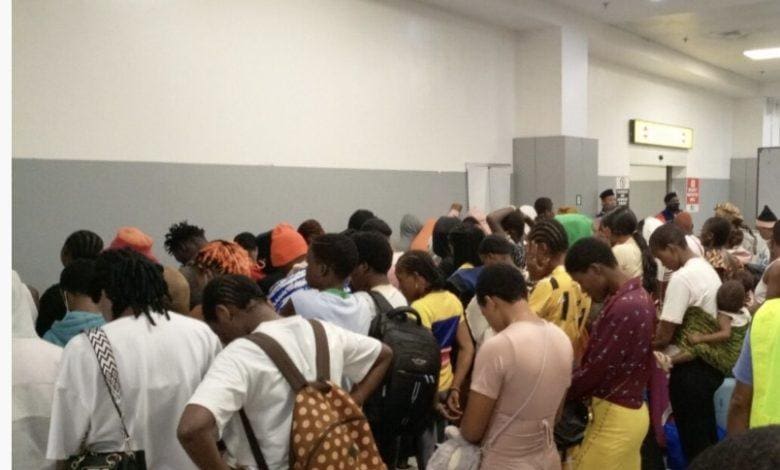
The Nigerian community in Côte d’Ivoire has accused the Federal Government and its diaspora agencies of neglect, claiming they have failed to protect citizens trapped in human trafficking networks across West Africa.
In an interview with ARISE NEWS, Davidson Ogbu, Public Relations Officer of the Nigerian Community in Côte d’Ivoire, described the gruesome murder of a trafficked teenage girl named Destiny as “one of the darkest moments” for Nigerians living in the country.
Destiny’s Murder Sparks Outrage and Renewed Calls for Protection
“Her name is Destiny. She was murdered in cold blood,” Ogbu said, recalling the horror of the crime scene that shocked the Nigerian community in Abidjan.
READ ALSO: How Growing Xenophobic Wave Targets Nigerians Across Africa
He explained that Destiny was trafficked from Delta State, Nigeria, to Côte d’Ivoire for prostitution and was later killed under mysterious circumstances.
“This is just an underage girl trafficked for prostitution,” Ogbu said. “We’ve been doing all we can, but they keep coming. There’s no way you can stop this completely.”
1,800 Nigerian Girls Rescued, Yet Government Support Lacking
According to Ogbu, since 2020, the Nigerian community in Côte d’Ivoire has led voluntary rescue and repatriation efforts, returning between 1,800 and 2,000 girls to Nigeria — many of them minors as young as 10 to 16 years old.
Despite these efforts, he lamented that the Nigerian government has offered little tangible support, forcing community members to fund and coordinate the rescues themselves.
“The authorities promised to reimburse us, but up till now, nothing has been heard,” Ogbu said. “We can’t keep doing this alone. We need action, not promises.”
NiDCOM, NIDO Accused of Failing in Their Mandate
Ogbu took particular aim at the Nigerians in Diaspora Commission (NiDCOM) and the Nigerians in Diaspora Organisation (NIDO), accusing both of being reactive rather than proactive.
“With all due respect, they’re not doing their job,” he said. “Sometimes I feel they do medicine after death. They are not proactive.”
READ ALSO: NiDCOM Raises the Alarm Over Sexual Abuse of Nigerians in India
He further noted that NiDCOM Chairperson Abike Dabiri-Erewa had not made any public statement on Destiny’s death. “Nothing has been heard from her side, no response, nothing,” Ogbu added.
Calling for a leadership shake-up, he said: “We need the NIDO community to be refreshed. Let’s have new people with new ideas. It shouldn’t take social media influencers like VeryDarkMan to get the government’s attention.”
Activist VeryDarkMan Praised for Doing What Agencies Should
Ogbu commended Nigerian activist VeryDarkMan (Martins Vincent Otse) for his hands-on involvement in helping trafficked Nigerians.
“If not for VeryDarkMan, who visited Côte d’Ivoire, we would not have received the kind of assistance we got,” Ogbu said. “He did much more than Abike Dabiri, with all due respect.”
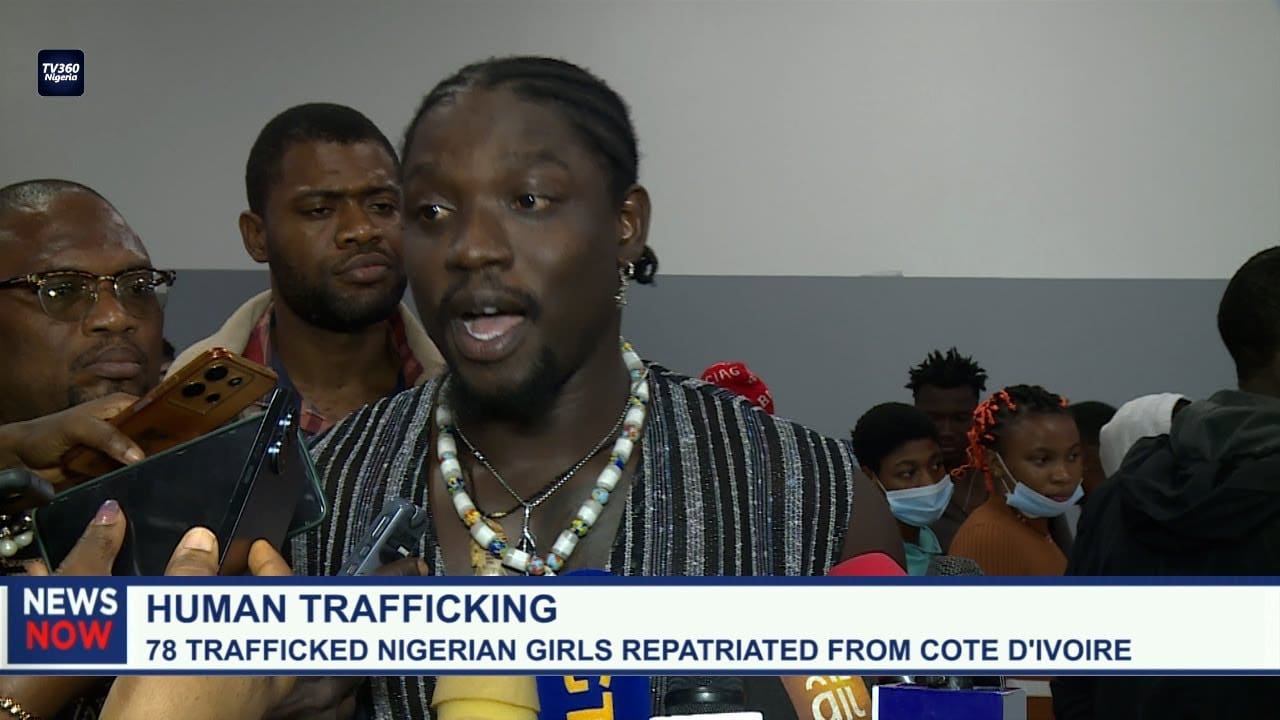
VeryDarkMan has repeatedly condemned the failure of immigration and anti-trafficking agencies to stop the cross-border trafficking of minors, blaming weak border controls and institutional complacency. His interventions have helped draw attention from both the media and authorities.
Broader Concerns: Trafficking, Neglect, and Xenophobia in Africa
The story of Destiny is not an isolated incident. It comes amid rising fears about xenophobia against Nigerians across Africa, as recently reported by Pinnacle Daily in its feature “How Growing Xenophobia Wave Targets Nigerians Across Africa.”
The report linked increased hostility towards Nigerians to unemployment, economic disparity, and misinformation, warning that migrants, particularly young women and children, face the greatest risks of abuse, trafficking, and exploitation.
READ ALSO: FIFA Imposes Match Ban on Sudan FA Official For Referee Assault
Ogbu also noted that these systemic issues make Nigerian citizens more vulnerable in countries like Côte d’Ivoire, Ghana, and Libya, where trafficking networks continue to operate with impunity.
“We can’t have Nigerians dying abroad and leaders pretending not to see,” Ogbu said. “Justice for Destiny must not just be a slogan — it must be action.”


