

The financial toll of the United States’ ongoing military campaign against Iran has surged to an estimated $25 billion, marking the first official cost assessment of the conflict and intensifying scrutiny in Washington over the scale and sustainability of the operation.
The figure was disclosed by Jules Hurst, a senior Pentagon official currently performing the duties of comptroller, during testimony before the House Armed Services Committee.
According to Hurst, a significant portion of the expenditure has been directed toward munitions, underscoring the intensity and sustained nature of the military engagement.
However, the estimate leaves key questions unanswered. Hurst did not clarify whether the $25 billion figure includes the longer-term costs of rebuilding or repairing U.S. military infrastructure across the Middle East — facilities that have reportedly sustained damage during the conflict.
The lack of detail drew a pointed response from Adam Smith, the ranking Democrat on the committee, who noted that lawmakers had repeatedly sought clarity on the war’s financial burden.
“I’m glad you answered that question,” Smith said during the hearing. “Because we’ve been asking for a long time, and no one’s given us the number.”
The newly released estimate highlights the rapid escalation in war spending.
Earlier projections from the administration of Donald Trump indicated that within just the first six days of the conflict in March, the United States had already spent at least $11.3 billion — nearly half of the current total.
Since then, the campaign has expanded significantly, both in operational scope and military deployment.
The United States began its strikes against Iran on February 28, triggering weeks of hostilities that have since de-escalated into a fragile ceasefire. Despite the pause in active combat, U.S. forces remain heavily positioned across the region.
The Pentagon has deployed tens of thousands of additional troops to the Middle East, alongside substantial naval power, including the continued presence of three aircraft carriers — a signal of both deterrence and readiness amid lingering tensions.
Pentagon Defends Cost As Necessary
Facing growing concerns over the financial burden, U.S. defence officials have framed the spending as a strategic necessity rather than an optional expense.
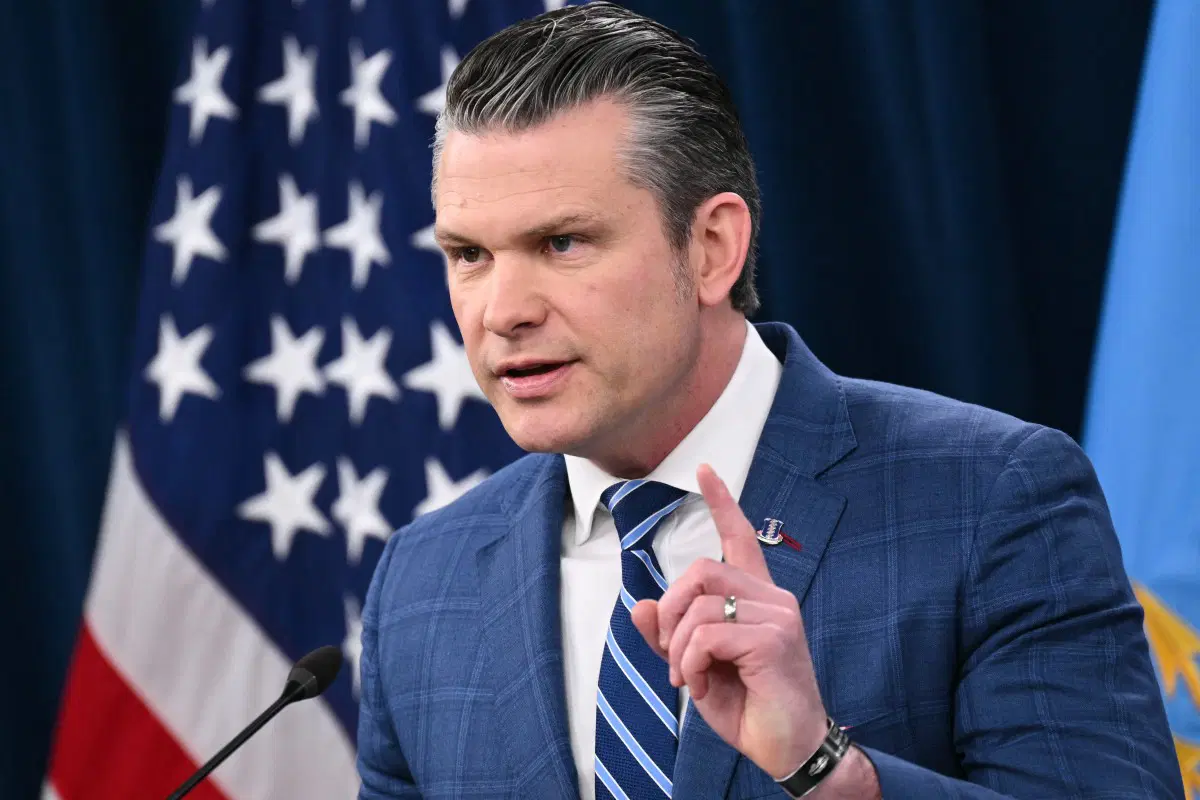
Pete Hegseth, the U.S. Defence Secretary, defended the scale of the operation during the same hearing, arguing that the cost must be weighed against the broader objective of preventing Iran from acquiring nuclear weapons capability.
“What would you pay to ensure Iran does not get a nuclear bomb?” Hegseth asked lawmakers. “What would you pay?”
His remarks reflect the administration’s broader justification for the campaign — positioning the war not merely as a regional conflict, but as a pre-emptive measure tied to global security concerns.
Growing Questions Over Long-Term Costs
Even as the ceasefire holds, analysts and lawmakers warn that the $25 billion figure may represent only a fraction of the total financial burden.
Beyond immediate combat operations, future costs are expected to include rebuilding damaged U.S. bases and infrastructure, sustaining long-term troop deployments and logistics, replacing and maintaining equipment, as well as providing care for veterans and meeting post-conflict obligations, with historical trends suggesting that such expenses could far exceed the initial cost of the war in the months and years ahead.
READ ALSO:
- U.S. Mission Cautions Nigerians on Visa Abuse, Warns of Wider Travel Consequences
- FCCPC Seals Paradise Estate Abuja Over Housing Delivery Complaints
- U.S.-Iran Wa WARr: More Pressure on Domestic Fuel Prices as Oil Rises Above $100
- U.S./Israeli-Iran War: Updates on Day 6
While active hostilities between the United States and Iran have subsided into a tenuous ceasefire, the scale of military presence in the region suggests that the conflict remains far from over.
For now, the $25 billion price tag offers a rare glimpse into the financial weight of the war — but it also underscores how much remains uncertain.
As policymakers weigh strategic objectives against mounting costs, one reality is becoming increasingly clear: the economic consequences of the conflict are expanding almost as rapidly as its geopolitical implications.

Esther Ososanya is an investigative journalist with Pinnacle Daily, reporting across health, business, environment, metro, Fct and crime. Known for her bold, empathetic storytelling, she uncovers hidden truths, challenges broken systems, and gives voice to overlooked Nigerians. Her work drives national conversations and demands accountability one powerful story at a time.