Uganda’s opposition leader, Bobi Wine, has told the BBC that he will not contest the outcome of the presidential election, which declared President Yoweri Museveni the winner, in court, citing a lack of confidence in the country’s judiciary. Speaking to the BBC from hiding, Wine said he had instead called on his supporters to stage …
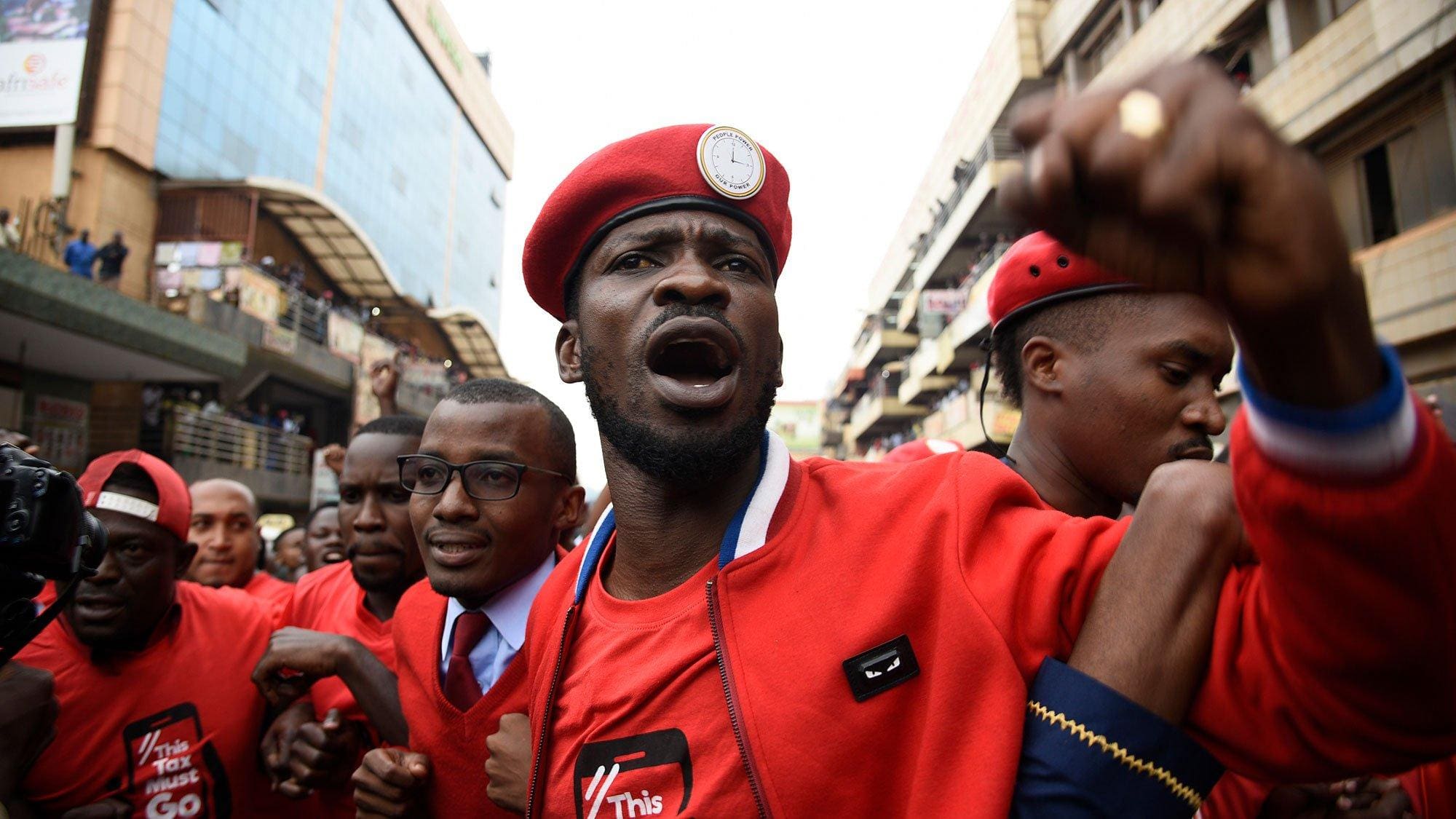
Uganda’s opposition leader, Bobi Wine, has told the BBC that he will not contest the outcome of the presidential election, which declared President Yoweri Museveni the winner, in court, citing a lack of confidence in the country’s judiciary.
Speaking to the BBC from hiding, Wine said he had instead called on his supporters to stage peaceful protests, insisting that legal remedies were ineffective under the current system.
“The judiciary in Uganda is captured, and we encourage Ugandans to use any legal means to fight back and protect their democracy,” Wine, a 43-year-old former pop star, said.
Wine, whose real name is Robert Kyagulanyi, said he would continue to challenge President Yoweri Museveni despite concerns over his personal safety.
Disputed Results
Museveni, 81, was declared the winner of the election with 72 per cent of the vote, while Wine, his closest challenger, secured 25 per cent.
The president has accused the opposition of attempting to overturn the results through violence, describing them as “terrorists”.
Wine rejected the outcome, describing the results as “fake” and alleging ballot stuffing, although he did not provide specific evidence.
“We reject those results because they are fake and do not in any way reflect the voting pattern,” Wine told the BBC from an undisclosed location. “They are completely different from the results at the polling stations and on the declaration forms.”
Security Clampdown Allegations
Wine accused security forces of blocking food supplies from reaching his family home in a Kampala suburb, where his wife and relatives are effectively under house arrest.
He said he fled the residence on Friday night after security operatives carried out a raid.
“They jumped off my fence and cut off my electricity and the surveillance cameras. I saw it as dangerous for me to stay around,” he said.
Ugandan authorities have not responded directly to the allegations. However, the Uganda Human Rights Commission (UHRC) said technical and procedural challenges observed on polling day did not undermine the overall fairness of the election.
RELATED NEWS:
- Museveni Takes Strong Early Lead in Uganda Election Count
- Group Slams Uganda’s Internet Shutdown Ahead of Thursday’s Poll
- Museveni at 81: Key Facts About Uganda’s Longest-Serving President Seeking 7th Term
- Uganda’s Exports Surge to $1.5Bn in October Driven by Coffee, Gold
- Amnesty International Accuses Uganda of Torture, Mass Arrests Ahead of 2026 Elections
In its report, the African Union (AU) election observation mission said it found no evidence of ballot stuffing but criticised the days-long internet shutdown, which was only lifted hours after Museveni was declared the winner on Saturday.
Wine previously challenged Museveni’s victory in the 2021 election but later withdrew his petition, citing what he described as judicial bias and lack of impartiality.
Claims of Violence
Wine also alleged that a “silent massacre” was underway, claiming that political activists were being targeted in a crackdown. In a social media post, he said more than 100 people had been killed in election-related violence, though he did not provide evidence.
Local media reported that more than 100 youths had been remanded in prison over election-related incidents in Kampala.
Army Chief Issues Threat
In a post on X on Monday, Uganda’s army chief, Gen Muhoozi Kainerugaba, President Museveni’s son and a potential successor, said security forces had killed 22 opposition supporters during poll-related violence.
He also issued an ultimatum to Wine, giving him 48 hours to surrender to the police.
“If he doesn’t, we will treat him as an outlaw/rebel and handle him accordingly,” Kainerugaba said.
Police response, call for calm
Although internet access was restored late on Saturday, Wine said he was unable to contact his wife due to signal jammers around his home.
Police have denied raiding Wine’s residence, saying the security deployment was meant to protect him as a presidential candidate.
Wine called for a “peaceful change” of government, insisting that protests were a constitutional right.
“We encourage Ugandans to evoke any constitutional means to fight back,” he said.
On Tuesday, Donald Muhwezi, a local police chief in Kampala, told local media that police were not concerned about Wine’s whereabouts, provided he remained safe.
Museveni’s Seventh Term
In his victory speech on Sunday, Museveni said the election result demonstrated the dominance of his National Resistance Movement (NRM) party.
Museveni, who first came to power as a rebel leader in 1986, has now won seven elections. Uganda has not witnessed a peaceful transfer of presidential power since independence.
Source: BBC Africa

Rafiyat Sadiq is a political, justice, and human rights reporter with Pinnacle Daily, known for fearless reporting and impactful storytelling. At Pinnacle Daily, she brings clarity and depth to issues shaping governance, democracy, and the protection of citizens’ rights.