

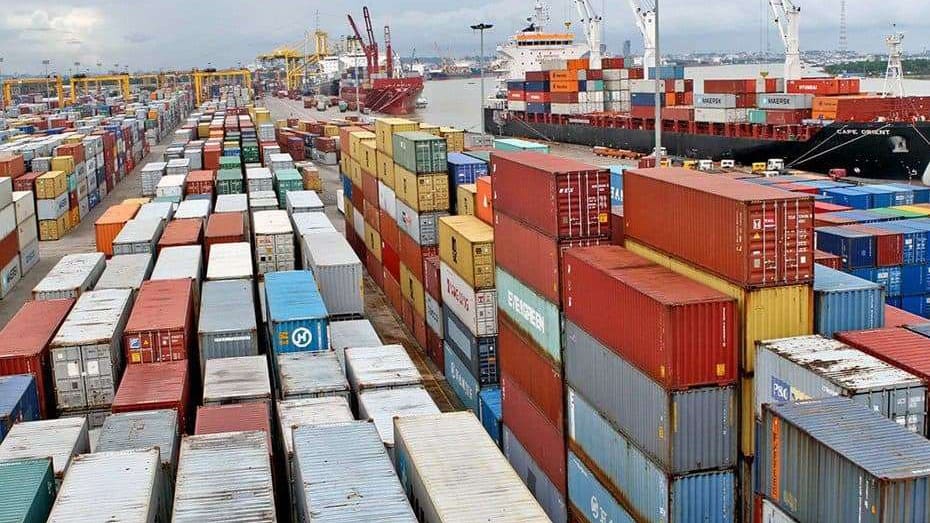
Nigerians may soon benefit from lower petrol and food prices as 22 ships carrying petroleum products, frozen fish, and other essential commodities berth at Lagos ports, the Nigerian Ports Authority (NPA) has revealed.
The NPA’s latest Shipping Position report shows that the vessels are currently discharging cargo at Apapa, Tincan, and Lekki ports, signalling a significant boost in the supply of key goods.
Cargo Arrivals: What the Ships Are Bringing
According to the NPA, the incoming vessels are transporting a wide array of essentials, including:
READ ALSO: Natural Gas Remains a Critical Transition Fuel for Africa – MEMAN
-
Petrol and bulk gas
-
Frozen fish
-
Bulk sugar and ethanol
-
Buckwheat and wheat
-
Bulk urea
In addition, six more ships carrying bulk wheat and general cargo are waiting to berth, while 17 further vessels are expected between 29 and 31 October 2025, carrying petroleum products, food items, and other imports.
Market Impact: Potential Relief for Nigerians
Analysts suggest that the steady inflow of goods could stabilise or even reduce prices of crucial commodities in the coming weeks, particularly fuel and staple foods. The surge in imports reflects improved supply conditions and renewed trading activity at Nigerian ports, offering potential relief to consumers facing rising costs.
Tariff Concerns: FG’s 15% Import Duty
The news comes amid debate over the federal government’s recently approved 15% import duty on petrol and diesel. President Bola Tinubu authorised the levy on Premium Motor Spirit (PMS) and Automotive Gas Oil (AGO) following a request from the Federal Inland Revenue Service (FIRS), according to a directive issued on 21 October 2025.
READ ALSO: CBN Hails Nigeria’s Exit from FATF Watchlist, Lists Benefits
The tariff applies to the Cost, Insurance and Freight (CIF) value of imported fuels. President Tinubu has also instructed the Nigerian Midstream and Downstream Petroleum Regulatory Authority (NMDPRA) to prioritise local refineries when issuing import permits.
Experts are divided on the policy. Some argue the duty could strengthen local refining and support the naira, while others warn it may raise fuel and goods prices, potentially undermining the benefits of the increased imports.
CBN Offers Relief for Importers
In a further development, Nigerian importers are expected to pay less to clear goods at seaports and airports following the naira’s appreciation. The Central Bank of Nigeria (CBN) has set the Customs foreign exchange rate for cargo clearance at ₦1,470.53 per dollar, easing the cost of imports for traders and potentially softening the impact of the new import duty.
Outlook
The coming weeks will be critical in determining whether the surge in imports can offset the effects of the new tariff and whether Nigerians will see a genuine drop in prices or face another wave of inflation. Analysts caution that close monitoring of fuel and food markets will be necessary as trade activity continues to pick up.
