

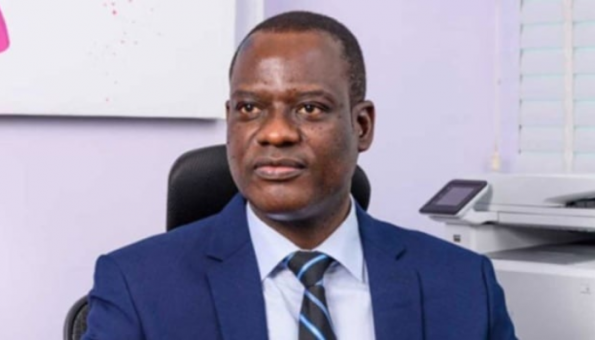
Nigeria’s fiscal reform programme has reached a defining institutional milestone, with the Minister of State for Finance, Taiwo Oyedele, declaring that the country’s revenue system has been fundamentally restructured for performance, efficiency, and long-term sustainability.
Speaking on behalf of the Minister of Finance and Coordinating Minister of the Economy, Wale Edun, at the commissioning of the Nigeria Revenue Service (NRS) Headquarters in Abuja, Oyedele said the development reflects a broader transformation of Nigeria’s fiscal architecture under President Bola Ahmed Tinubu.
He described the newly commissioned headquarters as a landmark national investment, stressing that it represents not just a physical structure but a symbol of deep institutional reform.
According to him, the project reflects years of sustained reform efforts aimed at modernising Nigeria’s revenue administration and strengthening fiscal governance.
“This completed facility is not just a building,” he said. “It is a physical expression of the fundamental shift in how Nigeria is organising revenue administration.”
He commended the leadership of the Executive Chairman of the NRS, Zacch Adedeji, noting that the institution now reflects a unified, modern, and more efficient structure.
From Fragmentation to a Unified Revenue System
Oyedele said Nigeria’s previous fiscal framework was constrained by fragmented tax laws, weak coordination, low tax-to-GDP ratios, and rising fiscal pressures.
However, he noted that ongoing reforms have reversed this trajectory by strengthening institutions, improving coordination, and significantly enhancing revenue performance.
He explained that the transformation of the former Federal Inland Revenue Service into the NRS represents more than a name change, describing it instead as a shift toward stronger governance, accountability, and improved service delivery.
The minister stressed that a coherent revenue architecture is essential for economic stability, noting that investors require predictability, businesses need clarity, and the government must operate efficiently.
He said the shift toward a unified, technology-driven tax system is designed to improve transparency and create a more stable fiscal environment capable of supporting long-term growth.
Historic Revenue Performance Recorded
Oyedele disclosed that since the commencement of reforms, the revenue service has recorded what he described as historic performance levels, attributing the gains to improved institutional structure and better enforcement mechanisms.
He said the reforms demonstrate that when institutions are properly structured and empowered, outcomes improve significantly.
Looking ahead, he urged the NRS to deepen efficiency, strengthen compliance through trust and transparency, and fully leverage technology to improve service delivery.
He also called for sustained revenue growth, noting that the reforms must translate into measurable and consistent fiscal gains.
Oyedele assured that the Ministry of Finance remains fully committed to providing the policy and institutional support required for the success of the NRS.
He said the commissioning of the headquarters signals a coordinated effort to strengthen Nigeria’s fiscal stability and economic resilience.
READ ALSO:
- Tinubu Approves $20bn Final Investment Decision on Bonga Deepwater Project
- NRS Sets January 2028 Deadline for Mandatory E-Invoicing Rollout
- New Tax Regime: NUPRC, NRS Strengthen Ties to Boost Revenue Collection
- NRS Rakes in ₦28.3trn Revenue in 2025, Eyes ₦40.7trn for 2026
In a key highlight, he noted that global evidence shows that every ₦1 invested in tax administration can generate up to ten times returns, describing it as one of the most efficient public sector investments.
On that basis, he suggested that Nigeria could realistically scale up revenue expectations, given the improved institutional capacity.
Oyedele concluded that Nigeria’s revenue institutions are now better structured, more transparent, and better positioned to support national development goals.
He said the commissioning of the NRS Headquarters represents not just an infrastructure milestone, but a renewed commitment to fiscal discipline, economic growth, and institutional excellence under the current reform agenda.

Esther Ososanya is an investigative journalist with Pinnacle Daily, reporting across health, business, environment, metro, Fct and crime. Known for her bold, empathetic storytelling, she uncovers hidden truths, challenges broken systems, and gives voice to overlooked Nigerians. Her work drives national conversations and demands accountability one powerful story at a time.