As Cameroon is set to vote on Sunday, 12th October, the fate of Africa’s longest-serving president, Paul Biya, is once again on the line. At 92 years old, Biya is seeking an eighth term in office, extending a rule that began in 1982 when he succeeded the country’s first president, Ahmadou Ahidjo. If re-elected, his …
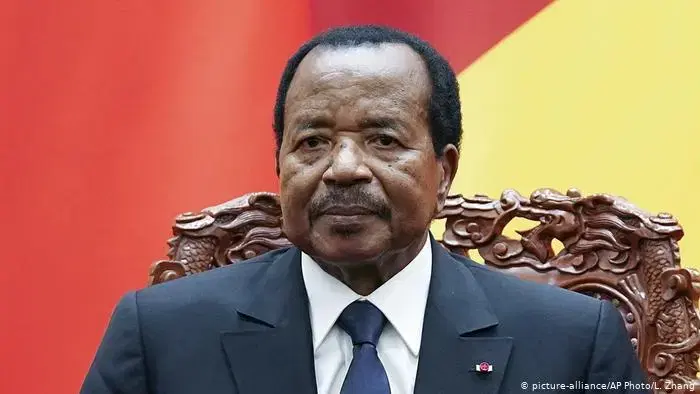
As Cameroon is set to vote on Sunday, 12th October, the fate of Africa’s longest-serving president, Paul Biya, is once again on the line.
At 92 years old, Biya is seeking an eighth term in office, extending a rule that began in 1982 when he succeeded the country’s first president, Ahmadou Ahidjo.
If re-elected, his new seven-year term would take him close to a century in age, reaffirming his position as the world’s oldest serving head of state.
The election comes amid widespread frustration among Cameroon’s youth, who make up the majority of the country’s 30 million population, and growing calls for a “new generation of leadership”.
The Biya Era: Power, Stability, and Stagnation
Cameroon gained independence in 1960, merging its British and French territories to form a bilingual republic.
But since Biya assumed office 43 years ago, political pluralism has eroded, term limits were scrapped in 2008, and the opposition remains fragmented.
Biya’s Cameroon People’s Democratic Movement (CPDM) dominates both houses of parliament, and past elections have been dogged by allegations of vote manipulation and judicial interference.
Although his government has denied accusations of rigging, opposition figures and rights groups say electoral bodies are biased in favour of the incumbent.
READ ALSO: 774 Local Govts Still in Chains Amid Judgment
Under Biya’s leadership, Cameroon has maintained relative peace compared to some of its neighbours, but critics say that stability has come at the cost of democratic freedom and transparency.
Economic inequality remains stark despite the country’s oil and cocoa wealth. According to the United Nations, over 43% of Cameroonians live in poverty, with youth unemployment and corruption ranking among the highest concerns.
Security crises also loom large as Boko Haram insurgents continue to threaten the Far North region. Separatist groups in the English-speaking west have waged a deadly struggle for autonomy. Chronic infrastructure deficits persist, especially in roads, power supply, and education.
Health, Secrecy, and Absence
Biya’s health has long been a subject of public speculation, though discussion of it is now legally restricted.
The president, who often spends long stretches in Europe, has made only one campaign appearance this year, in the northern city of Maroua, where he thanked supporters for their “loyalty despite false rumours”.
“I am well aware of the problems that concern you,” Biya told supporters. “I am aware of unfulfilled expectations that make you doubt the future. But these problems are not impossible to overcome.”
The Opposition: Familiar Faces, New Promises
The most notable challenger this year is Issa Tchiroma Bakary, a former government spokesperson and minister who defected in June, accusing Biya of “mismanaging Cameroon’s resources” and leaving the nation dependent on international aid.
“Their failure is everywhere; Cameroonians are tired of their management,” Tchiroma said at a campaign rally.
Political analyst Pippie Hugues noted that while Tchiroma has drawn large crowds, it remains uncertain if that enthusiasm will translate into votes.
READ ALSO: Nigeria @ 65: Why Citizens Are No Longer Interested in Elections, Crisis Bedeviling Democracy
“We saw similar energy in 2018, and nothing changed,” he said.
Maurice Kamto, Biya’s main challenger in 2018, has been disqualified from this election, further weakening the opposition’s unity and boosting Biya’s re-election odds.
A Question of Democracy
Although Cameroon is officially a multi-party democracy, many observers say the country operates more like a one-man rule system.
“Biya’s rule is marked by the consolidation of power around a single figure,” said Raoul Sumo Tayo, a researcher at the Institute for Security Studies in Pretoria. “Elections occur, but the political outcome is often predetermined.”
Analysts say Biya’s long tenure has been sustained by a network of patronage, elite loyalty, and fear of instability.
“He’s deeply unpopular,” noted Nat Powell, an Africa expert at Oxford Analytica, “but the elites see him as a stabilising figure. As long as he’s in charge, the system remains intact.”
The People’s Verdict
On the streets of Yaoundé, young Cameroonians express deep disillusionment.
“He’s too old to govern,” said Elvis Nghobo, a 34-year-old food vendor. “We’ve known no other president all our lives. It’s time for a change, but we know how this story ends.”
READ ALSO: Biya to Seek Re-Election at 92, Extending Four-Decade Rule
Others, like Manoung Wilfried, a university student, still intend to vote “out of patriotism”. “Even if the system is flawed”, he said, “we must participate and hope for the best.”
With 12 candidates contesting and no second round provided for, the candidate with the highest votes on October 12 will lead Cameroon for the next seven years, as official results are expected within two weeks.
Sources: Reuters and Associated Press

Rafiyat Sadiq is a political, justice, and human rights reporter with Pinnacle Daily, known for fearless reporting and impactful storytelling. At Pinnacle Daily, she brings clarity and depth to issues shaping governance, democracy, and the protection of citizens’ rights.