

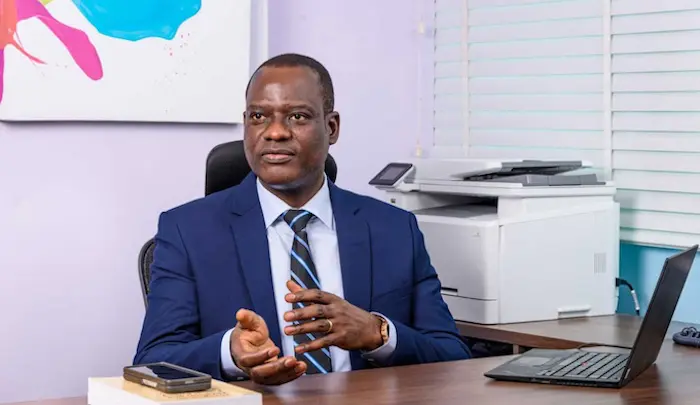
The Nigerian Senate on Wednesday commenced the screening of Taiwo Oyedele, the immediate past Chairman of the Presidential Committee on Fiscal Policy and Tax Reforms, following his nomination as Minister of State for Finance.
The exercise took place barely 24 hours after Bola Ahmed Tinubu wrote to the Senate requesting the screening and confirmation of Oyedele to join the Federal Executive Council, replacing Doris Uzoka-Anite.
Tinubu seeks confirmation of Abe as NUPRC chairman
In a separate request, the President also asked the Senate to confirm former lawmaker Magnus Abe, who represented Rivers South-East in the Senate, as Chairman of the Nigerian Upstream Petroleum Regulatory Commission.
The requests were contained in separate letters read during plenary by the President of the Senate, Godswill Akpabio.
RELATED NEWS:
- Tinubu Seeks Senate Confirmation of Oyedele as Minister, Abe as NUPRC Chairman
- 2026 Budget: Underfunding Weakens Anti-corruption efforts, EFCC, ICPC Tell Senate
- Senate Confirms 64 Career and Non-Career Ambassadorial Appointments
In the letter, Tinubu urged the upper chamber to consider and approve Oyedele’s nomination as part of ongoing adjustments within the Federal Executive Council.
Oyedele’s professional background
Before his nomination, Oyedele, who hails from Ikaram in Akoko area of Ondo State, served as Chairman of the Presidential Committee on Fiscal Policy and Tax Reforms, where he led efforts aimed at overhauling Nigeria’s tax system.
The 50-year-old economist, accountant and public policy expert previously spent 22 years at PricewaterhouseCoopers, having joined the global consulting firm in 2001.
During his time there, he rose to the position of Fiscal Policy Partner and Africa Tax Leader.
Senate refers nominations to committee
After reading the President’s letters, Akpabio referred the nominations to the Senate Committee on Petroleum Upstream for further legislative action, in line with the chamber’s constitutional oversight responsibilities.

Rafiyat Sadiq is a political, justice, and human rights reporter with Pinnacle Daily, known for fearless reporting and impactful storytelling. At Pinnacle Daily, she brings clarity and depth to issues shaping governance, democracy, and the protection of citizens’ rights.