

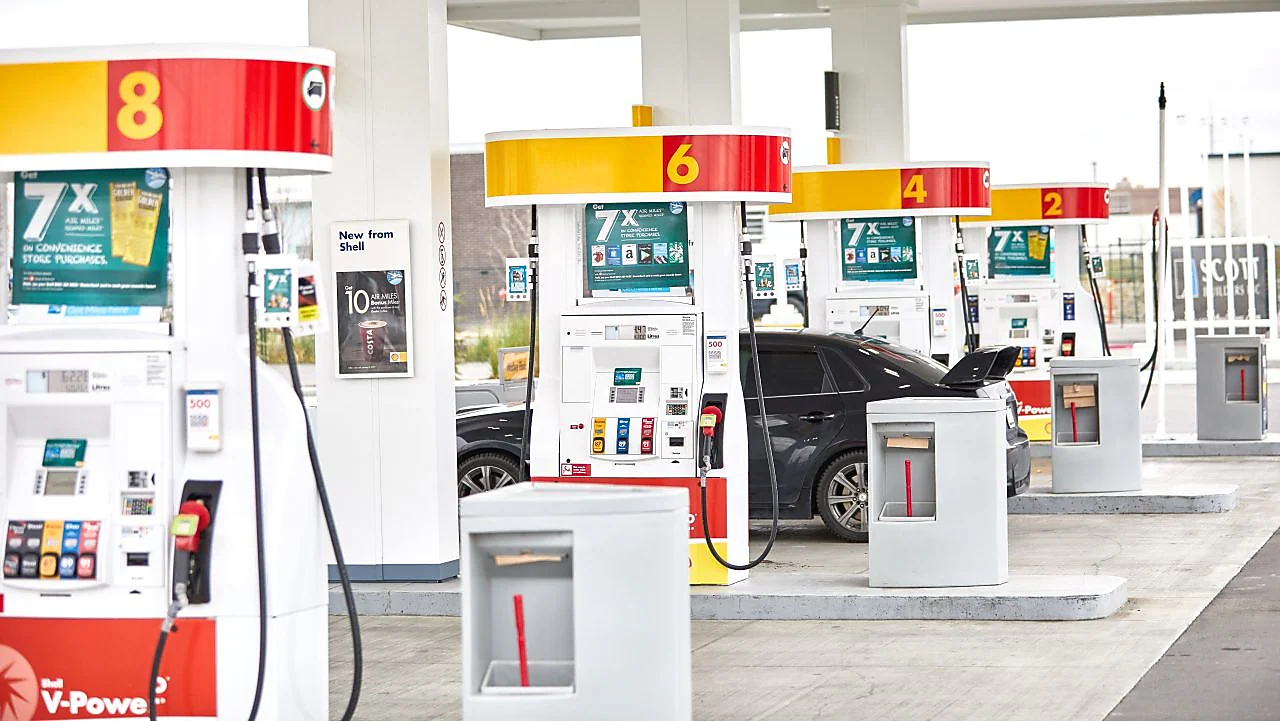
Millions of Nigerian commuters are bracing for another round of transport fare increases as Premium Motor Spirit (petrol) prices climb to as high as ₦1,400 per litre in parts of the country.
The development is putting commercial transport operators under fresh pressure to raise fares, while commuters already battling soaring food, rent and other living costs face another strain on their incomes.
For workers who depend on buses, taxis, tricycles and motorcycles, higher fares could mean spending a larger share of their daily earnings simply getting to and from work. Aside from intra-city transport, the development equally affects inter-state movements.
Prices Rise Across States
Pinnacle Daily’s checks revealed that a litre of fuel is now sold between ₦1,295 and ₦1,350 by filling stations across Lagos.
Pinnacle Daily observed that some filling stations along Oshodi-Apapa Motorway, including AP, Pinnacle Oil and Petrocam, sold ₦1,305 per litre on Friday, September 4, 2026. Only the NNPC outlet along the road sold ₦1,295 per litre. Total and MRS filling stations along Ojuelegba Road in Ishaga were selling at ₦1,310 per litre. Mobil along Oba Akran Avenue, Ikeja, also sold at ₦1,310, while Sunbeth along Akilo Road, Ogba, sold at ₦1,317. Heyden also sold at ₦1,310 per litre, while Conoil sold at ₦1,320 per litre. These adjustments are against the previous price of between ₦1,270 and ₦1,280 per litre.
In Bayelsa, Pinnacle Daily gathered that residents are buying petrol between ₦1,330 and ₦1,360 in filling stations, while a litre goes for ₦1,400 and ₦1,450 at the black market.
In Enugu, filling stations are selling petrol between ₦1,330 and ₦1,370 per litre against the previous price of ₦1,300.
In Abuja, petrol prices range from ₦1,345 to ₦1,350 per litre.
Global Crude Oil Volatility Drives Domestic Prices
This comes amid renewed volatility in the downstream petroleum market, following a sharp rise in international crude oil prices. Brent crude recently crossed the $100-per-barrel threshold before dropping to $96 on Friday, September 4.
The development has renewed fears of another round of transport fare increases, with commuters already struggling to cope with the elevated cost of food, rent, electricity and other necessities. The increasing pressure on petrol pricing has raised concerns about another wave of inflation in the economy.
The rise in crude oil prices forced Dangote Refinery (a major refiner in Nigeria with 650,000 barrels per day installed capacity) to increase its ex-depot price about three times in one week. The refinery, which had dropped its gantry price to ₦1,165, raised it to ₦1,185, ₦1,200, and subsequently to ₦1,265 per litre in the past week. The latest adjustment took effect on August 29, 2026, following a surge in crude oil prices in the international market.
Crude oil prices, which had dropped below $80 per barrel, went up again following renewed tensions in the US-Iran conflict.
Drivers Count the Cost
The latest fuel price surge has begun to filter into the transport sector, with operators in some cities adjusting fares to offset higher operating costs.
Petrol is one of the largest daily expenses for commercial drivers. But the pressure does not end at the filling station.
The cost of spare parts, tyres, engine oil and repairs has also risen, leaving operators with narrower margins.
Drivers now face a choice between absorbing the additional cost and watching their earnings fall or increasing fares and risking passenger resistance.
Any fare increase, however, could trigger resistance from commuters already struggling to cope with the rising cost of living.
Commercial drivers who spoke with Pinnacle Daily on Friday said the rising cost of petrol in recent times has made daily operations increasingly difficult.
Amos Udoh, a commercial driver who operates from Ogba to Oshodi, said he used to spend ₦5,000 per trip but now spends about ₦8,000 because of the latest price increase.
“We are facing a situation of rising fuel prices, but we are yet to increase prices,” Udoh stated.
According to him, a trip to Ogba from Oshodi has been ₦1,000 per seat (mini 7-seater bus) and is yet to change despite the recent increase in fuel price. He lamented that the recent fuel price increase is affecting their profit margin. “We are left with little money to go home these days after buying fuel and paying all kinds of fees,” he stated.
He said they will eventually increase the transport fare to pass on the cost to commuters if the fuel price hike persists in the coming weeks.
“I don’t know what is happening for some years now that we have been constantly dealing with unstable fuel prices,” said Adebisi Adebiyi, a commercial bus driver operating the Oshodi-Ajah route.
He called on the government to take necessary measures to address the situation, lamenting that passengers are not willing to accept an increase in transport fare.
“We cannot continue buying fuel at this price and charge the same fare,” another commercial driver, Olawale Adejare, said, reflecting the dilemma confronting operators whose earnings are being squeezed by rising fuel and vehicle-maintenance costs.
Commuters, Businesses Feel the Squeeze
The impact is particularly severe for people who make multiple trips each day.
A worker who uses two or three vehicles to reach work could face a substantial increase in daily transport expenses if fares rise across different routes.
For low-income earners, the additional cost could force difficult choices between transportation, food and other household needs.
Some commuters may respond by cutting non-essential journeys, while others could be forced to seek cheaper but slower or less convenient alternatives.
“Every increase in transport fare takes something else away from what I can afford,” a commuter in one of the bus terminals in Oshodi said.
“I am not finding it easy to go to work every day with the current cost of transport and don’t know what it will be like if it is increased further,” said Miss Grace Oyegun, who works in Lagos Island.
“The high cost of food, rent and transport is squeezing my income so hard. Adding more to it could be a disaster for me,” said Jane Edeh, a school teacher in Mushin.
She said the cost of living keeps rising while income remains static.
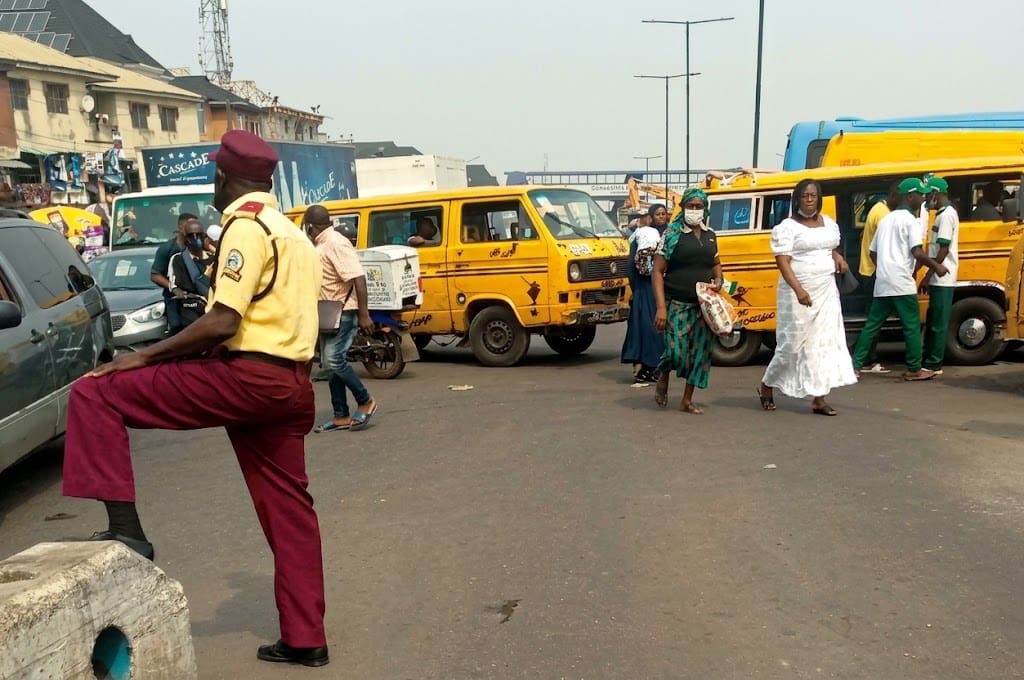
“I no longer go to the office for work every day because of the high cost of fuel,” said a civil servant who works with one of the federal agencies in Abuja.
A trader based in Bayelsa, Chinedu Oodo, said they have recorded a significant increase in the cost of transporting goods from Lagos within the past one month.
“I used to spend about ₦100,000 transporting my goods from Lagos to Yenagoa, but now it is between ₦120,000 and ₦150,000,” Oodo, who sells electrical materials, stated.
He lamented low sales, attributing it to the high cost of goods, which is above customers’ purchasing power.
READ ALSO:
- High Fuel Cost: Nigerians Struggle with the Ripple Effects of Middle East Tension
- Rising Costs Put Inflation Gains at Risk — CPPE Warns
- Strait of Hormuz Deadlock: Nigeria Braces for Higher Fuel Prices as Crude Oil Rises Above $100
- Dangote Refinery Marketers Set New Petrol Prices amid Rising Competition
- Nigeria Unlocks 2 Billion SCF/d Gas Transport Capacity as NNPC Completes River Niger Crossing of OB3 Gas Pipeline
- NNPC Records 48% Profit Decline as Oil Revenue Falls in July
Beyond the Transport Problem
Higher transport fares could also push up prices across the economy.
Businesses depend on road transport to move workers, raw materials and finished goods. Farmers and traders similarly rely on commercial vehicles to move produce and merchandise.
As transportation becomes more expensive, those costs are often passed on to consumers, adding to inflationary pressure.
The latest fuel-price increase therefore threatens to extend the cost-of-living squeeze beyond the pump and into markets, workplaces and households.
For a worker earning a fixed monthly income, the implication is straightforward: more money spent on transportation means less money available for food, household expenses and other essential needs.
Subsidy Reform under Pressure
The latest fuel-price increase also underscores the difficult adjustment following the removal of the petrol subsidy.
The policy was intended to ease the government’s fiscal burden and allow petrol prices to respond to market forces. But it has also exposed households and transport operators to greater price volatility.
Government mass-transit initiatives have provided some relief, but the country’s heavy dependence on petrol-powered road transport means commuters remain vulnerable to changes at the pump.
IPMAN Plans Petrol Price Review
Reacting to the current market prices, the Independent Petroleum Marketers Association of Nigeria (IPMAN) said filling stations owned by its members will review petrol pump prices in the coming days.
IPMAN National Publicity Secretary, Chinedu Nwadike, who spoke in an interview with the News Agency of Nigeria on Thursday, said marketers, especially in the FCT, will review their prices once they receive new petrol products.
“Once the new products begin arriving, marketers are expected to respond quickly by reviewing their prices and updating their product offerings,” Ukadike reportedly stated.
He said the adjustments would be made in line with existing rules and regulations.
Surge in Petrol Imports
The current market price dynamics are coming at a time when the country is recording a surge in petrol imports. Reports released by the Nigerian Midstream and Downstream Petroleum Regulatory Authority (NMDPRA) show that petrol imports have risen by 234 per cent in three months, from 5.9 million litres per day in May to 19.7 million litres per day in July 2026.
How high can fares go?
The critical question now is how much transport fares will rise if petrol remains around N1,400 per litre.
Operators say current fares may become increasingly difficult to sustain, while commuters have little room to absorb another increase.
The unfolding dispute is therefore not merely about what passengers pay for a bus or tricycle ride. It is about the rising cost of mobility in a country where getting to work, school or the market is itself becoming a significant expense.
Economists and energy experts have continued to stress that the only way to guarantee energy security and shield the country from global oil price shocks is by increasing crude oil production to boost supply to domestic refineries and building strategic reserves for long-term storage of both crude oil and refined petroleum products.

Victor Ezeja is a Nigerian journalist skilled in producing insightful news analyses, feature stories, and interviews that simplify complex issues and drive informed public discourse. His work combines rigorous research, balanced reporting, and compelling storytelling to highlight developments shaping industries and society. Victor, who holds a Master's Degree in Mass Communication, specializes in energy, aviation, business, and economic reporting. He can be reached via @VICTOREZEJA on X