

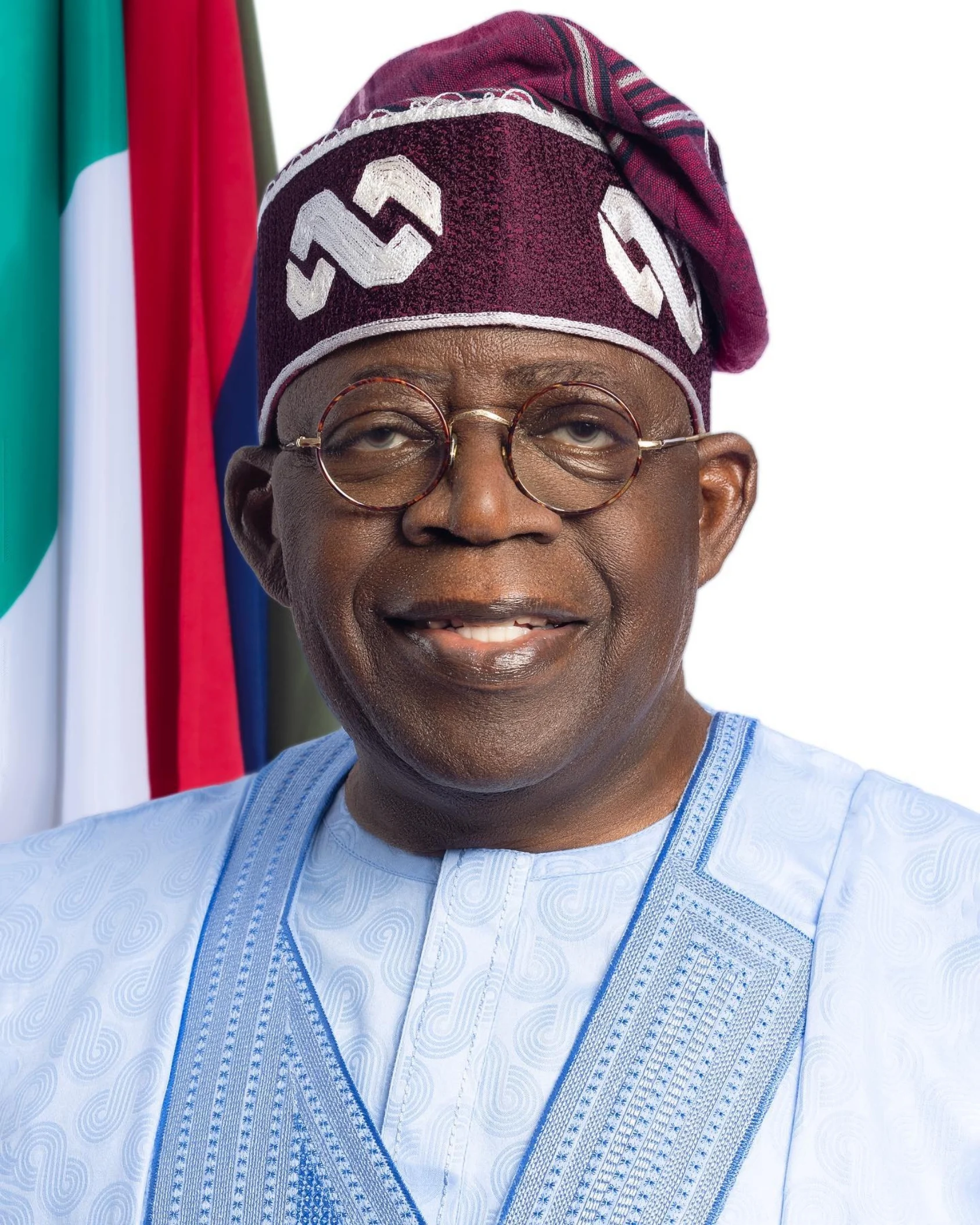
President Bola Ahmed Tinubu has defended his administration’s economic reforms, saying they are beginning to yield measurable results despite the difficulties faced by Nigerians.
He cited more than $6 billion in non-oil export earnings, rising foreign direct investment (FDI) and stronger foreign exchange reserves as evidence of improved economic stability.
Tinubu, who spoke in his Independence Day address on Thursday, said the economy had grown by more than four per cent in 2026, with both the oil and non-oil sectors contributing to what he described as a renewed period of stable growth.
According to him, oil theft has declined, inflation has fallen substantially from its peak, while the country’s foreign reserves have been rebuilt and the foreign exchange market stabilised.
The Nigerian leader also said Nigeria recorded its highest-ever revenue from non-oil exports in 2025, exceeding $6 billion.
“This is real money being made by real Nigerian businesses,” the President said, adding that foreign direct investment “continues to rise each year.”
Tinubu said the developments showed that the difficult economic reforms undertaken by his administration, such as fuel subsidy removal and foreign exchange liberalisation, had strengthened the country’s economic resilience, arguing that the reforms were designed to confront longstanding structural weaknesses rather than create them.
He said the government had now moved beyond the initial phase of economic stabilisation, with the central task shifting from correcting the country’s economic course to delivering “shared and widespread prosperity.”
“The emergency treatment is over. The foundation has been repaired,” he said.
According to the President, the next phase of his administration’s economic programme would focus on reducing the cost of living by lowering the cost of producing and transporting goods.
He said the government would expand mechanised irrigation and dry-season farming, improve access to seeds and fertiliser, invest in mechanisation, storage and transportation, and complete infrastructure linking farms and factories to markets.
Tinubu also identified reliable electricity, access to credit, digital connectivity, industrial revival and skills development as critical to creating productive employment for Nigeria’s youthful population.
“We are therefore placing jobs, enterprise, and industrial growth at the heart of our government’s policies,” he said.
The President said the government would deploy Nigeria’s gas resources to power new industries, support the revival of factories in industrial centres, expand digital connectivity and provide businesses with infrastructure and finance to grow.
He also said the administration would strengthen social protection for vulnerable Nigerians through direct support, improvements to the National Social Register, the Nigerian Education Loan Fund and consumer credit initiatives through CREDICORP.
READ ALSO:
- EXCLUSIVE: Nigeria Has Never Seen This Insecurity in 66 Years — Fage
- CBN Cuts Rate to 23%: 10 Ways It Will Affect Your Money
- Nigeria’s GDP Grows 4.07% in Q4 Driven by Non-Oil Sector
- CBN’s OMO Blitz Pulls in ₦3.3trn as Investors Chase High Yields
- Group Flags Fiscal Strain as Debt Service Hits 44%
- Nigeria’s Trade Surplus Jumps 101% as Oil, Raw Materials Drive Exports in Q2
Tinubu acknowledged that millions of Nigerians were still struggling with food, education, healthcare and transportation costs, but argued that the difficulties predated the reforms and reflected decades of low productivity, inadequate infrastructure and limited opportunities.
He said the government could not erase in four years the economic challenges accumulated over generations, but could change their direction.
“Our objective is not to manage poverty more efficiently. We will defeat it,” he declared.
The President said achieving that objective would require sustained economic growth, discipline and the creation of millions of productive opportunities.
He maintained that Nigeria was entering the next phase of its economic journey from a stronger foundation, following what he described as difficult but necessary reforms.
“The age of reform has done its work. Now begins the age of prosperity,” Tinubu said.
He urged Nigerians to look ahead, saying the country had “corrected its course” and that the sacrifices made during the reform period would ultimately yield greater prosperity and opportunity.

Victor Ezeja is a Nigerian journalist skilled in producing insightful news analyses, feature stories, and interviews that simplify complex issues and drive informed public discourse. His work combines rigorous research, balanced reporting, and compelling storytelling to highlight developments shaping industries and society. Victor, who holds a Master's Degree in Mass Communication, specializes in energy, aviation, business, and economic reporting. He can be reached via @VICTOREZEJA on X