

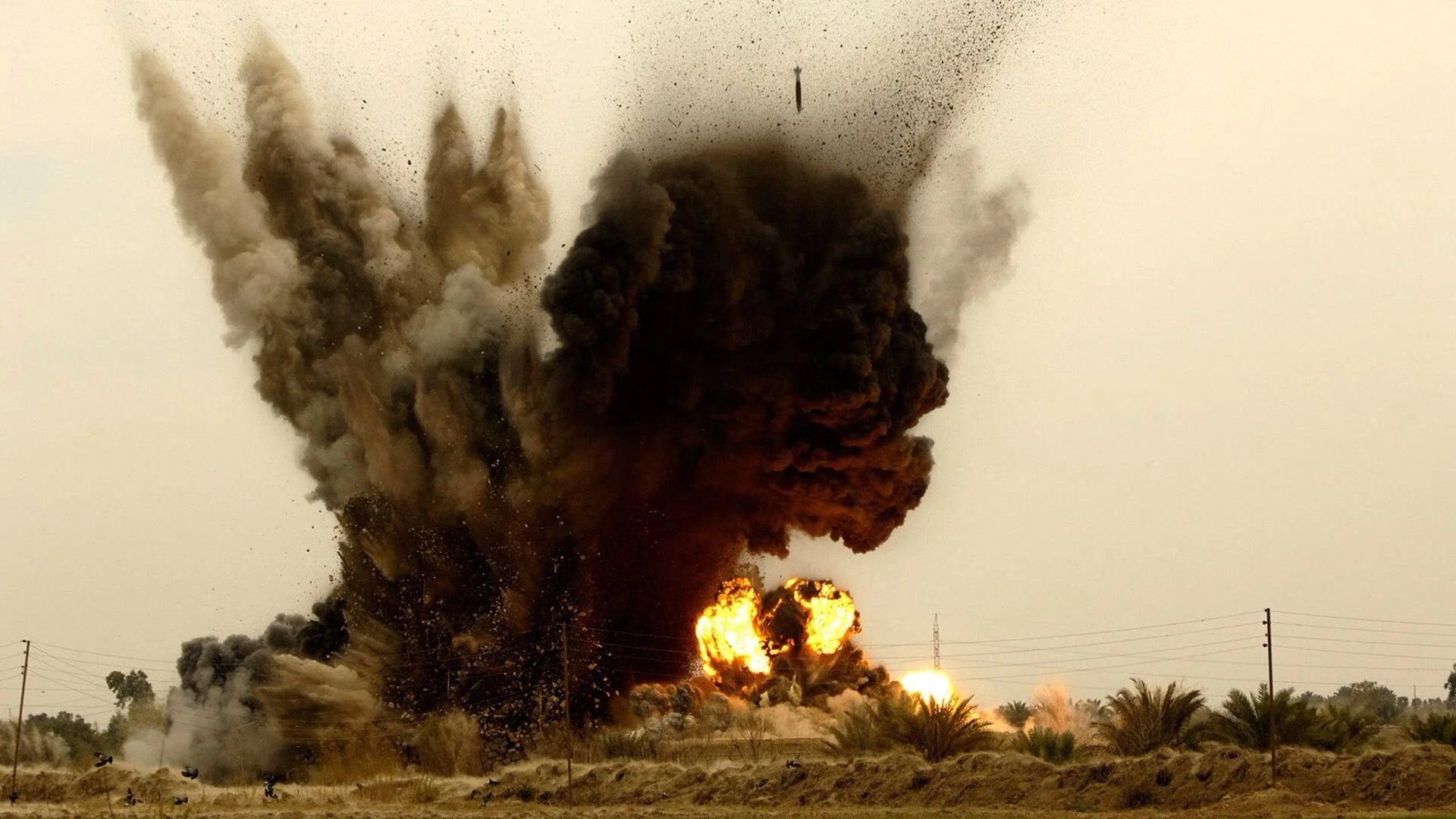
Nigeria has lost more than 400 unarmed civilians to a series of accidental military airstrikes between 2017 and 2026, reigniting concerns over operational intelligence, accountability, and civilian protection in the country’s counterinsurgency efforts.
Despite repeated denials by the Nigerian military in some instances, maintaining that operations were targeted at terrorists and bandits, multiple reports indicate that hundreds of unsuspecting civilians have been caught in the crossfire of aerial bombardments, particularly across northern Nigeria.
Mounting Civilian Deaths in Counterinsurgency Airstrikes
One of the deadliest incidents occurred on January 17, 2017, when a Nigerian Air Force jet mistakenly bombed an Internally Displaced Persons (IDP) camp in Rann, Borno State, near the Cameroonian border. At least 115 people, including six Red Cross workers, were killed, while over 100 others sustained injuries in the airstrike that drew widespread international condemnation.
Years later, similar tragedies have continued to unfold.
On December 18, 2022, an airstrike in Mutumji village, Zamfara State, reportedly killed no fewer than 64 civilians after troops targeted suspected bandits operating in the area.
Barely a month later, on January 24, 2023, another military airstrike allegedly killed about 50 herders in Doma Local Government Area of Nasarawa State. The Miyetti Allah Cattle Breeders Association of Nigeria (MACBAN) said the victims were attempting to retrieve seized cattle when the strike occurred. However, the Nigerian Air Force insisted it acted on intelligence indicating the presence of terror elements.
In December 2023, tragedy struck again in Tudun Biri village, Kaduna State, when a Nigerian Army drone mistakenly bombed civilians gathered for a Muslim Maulud celebration. Amnesty International reported that at least 120 unarmed civilians were killed in the nighttime strike.
A Pattern of “Mistakes” from Rann to Kaduna
On Christmas Day in 2024, airstrikes targeting the Lakurawa terrorist group in Gidan Sama and Rumtuwa communities in Sokoto State resulted in the deaths of at least 10 villagers, with several others injured. While the military initially denied civilian casualties, Governor Ahmed Aliyu confirmed the deaths, stating that innocent residents were mistakenly hit during the operation. The then Chief of Defence Staff, General Christopher Musa, later acknowledged the error but accused the communities of harbouring terrorists.
The latest incident, which occurred on April 11, 2026, has further intensified public scrutiny. Reports indicate that about 50 civilians were killed when a military strike allegedly hit Jilli Market in Yobe State, near Gubio in neighbouring Borno State.
READ ALSO:
- Nigeria Customs, PEBEC Launch Reform to Accelerate Cargo Clearance, Reduce Port Costs
- UN Raises the Alarm Over Rising Civilian Deaths in Sudan’s El Fasher
- Death By Misinformation: How 15-year-old Boy Lost His Life over Drug Abuse
- 2026 Death Map: How Terror Violence Has Killed Over 300 Nigerians in 7 Weeks
While the military described the location as a legitimate target, a known logistics hub for ISWAP fighters, the Nigerian Air Force said it has taken the allegations seriously. Air Commodore Ehimen Ejodame, Director of Public Relations and Information, stated that the Chief of Air Staff has activated the Civilian Harm Accident and Investigation Cell to conduct an immediate fact-finding mission.
According to the Northeast Joint Task Force, Operation Hadin Kai, the strike followed sustained intelligence, surveillance, and reconnaissance operations tracking suspected terrorist movements, including motorcycles and gun trucks converging on the area.
Calls Grow for Accountability and Better Intelligence
The incident has triggered widespread reactions across the country, with many Nigerians demanding thorough investigations and improved intelligence coordination to prevent further civilian casualties.
Islamic cleric Ahmad Gumi questioned the accountability framework surrounding such operations, asking who authorised and executed strikes that repeatedly hit civilian targets. He called on the Senate to launch an immediate probe into what he described as recurring “mistakes” involving the bombing of villages and markets.
However, Borno State Governor Babagana Zulum offered a contrasting perspective, stating that Jilli Market had been shut down for about five years, suggesting that the location might no longer have been an active civilian marketplace at the time of the strike.
As concerns mount, the recurring pattern of accidental bombings continues to cast a shadow over Nigeria’s military campaign against insurgency, raising urgent questions about intelligence accuracy, rules of engagement, and the protection of civilian lives in conflict zones.

Esther Ososanya is an investigative journalist with Pinnacle Daily, reporting across health, business, environment, metro, Fct and crime. Known for her bold, empathetic storytelling, she uncovers hidden truths, challenges broken systems, and gives voice to overlooked Nigerians. Her work drives national conversations and demands accountability one powerful story at a time.