

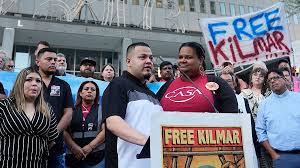
The government of Eswatini has rejected claims that it agreed to accept Kilmar Abrego Garcia, a Salvadorian facing deportation from the United States.
Last week, the Trump administration suggested sending Abrego Garcia to Eswatini after he expressed fear of deportation to Uganda. He has no ties to the African kingdom.
Eswatini government spokesperson Thabile Mdluli told newsmen, “Any proposal to send more deportees to Eswatini will be discussed between the governments of Eswatini and the United States before initiating processes. The country will be properly informed.”
The US has increasingly sought “third-country” deportations when home countries refuse to accept their citizens. Ghana received 14 West African nationals on Thursday. In July, the US sent eight people to South Sudan and five to Eswatini.
Lawyers representing the five men deported to Eswatini say authorities have held them in maximum-security detention for seven weeks without charges or access to legal counsel.
READ ALSO: South Africa Reopens Investigation into Steve Biko’s Death After 48 Years
Kilmar Abrego Garcia, 30, became a flashpoint in Trump’s immigration crackdown. He was wrongfully deported to El Salvador in March. The US alleged he was linked to the MS-13 gang, which he denies. He never faced charges for gang activity.
The administration returned him to the US in June to face human smuggling charges. Abrego Garcia’s lawyers describe the case as preposterous and vindictive.
He was released from a Tennessee jail to await trial last month. Three days later, immigration authorities took him into custody. He now remains in a Virginia detention center and plans to apply for asylum.
READ ALSO: IATF 2025: Obasanjo’s Comment Sparks Debate on Africa’s IMF, World Bank Dependence
Human rights groups and NGOs have filed a court challenge against Eswatini over its acceptance of third-country deportees. The plaintiffs argue that the arrangement with the US violates the Constitution.

Esther Ososanya is an investigative journalist with Pinnacle Daily, reporting across health, business, environment, metro, Fct and crime. Known for her bold, empathetic storytelling, she uncovers hidden truths, challenges broken systems, and gives voice to overlooked Nigerians. Her work drives national conversations and demands accountability one powerful story at a time.