


Every April 25, the world observes World Malaria Day, a global reminder of humanity’s long fight against one of its oldest and most preventable diseases. It is a day that is meant to reflect progress, renew commitments, and push nations to confront one of the most persistent public health challenges in human history.
Across continents, it serves as both a reminder of how far science and global cooperation have come and how much further there is still to go.
But in Nigeria, the day is not a symbolic celebration. It is a mirror held up to a persistent national failure. It reflects not just a health burden, but a system struggling under the weight of its own limitations. The World Malaria Day 2026 theme, “Driven to End Malaria: Now We Can. Now We Must.”, captures both possibility and urgency. It suggests that the tools exist and the knowledge is available, but also warns that delay is no longer acceptable. The message is clear: the era of excuses is over, and the era of execution must begin.
Yet Nigeria remains the epicentre of the global malaria burden. Despite decades of interventions, funding, and global partnerships, malaria still kills more than 180,000 Nigerians every year. These are not abstract numbers. They are children, mothers, fathers, and entire families cut down by a disease that is both preventable and treatable. Children under five account for nearly 75 percent of these deaths, revealing how deeply the crisis is tied to vulnerability and inequality at the earliest stages of life.
Nigeria alone contributes about 24–27 percent of global malaria cases and over 30 percent of global malaria deaths, according to the World Health Organisation. These figures place the country at the centre of a global health paradox: while malaria is declining in many parts of the world, it continues to thrive in one of Africa’s largest economies and most populous nations.
In simple terms, nearly one in every three malaria deaths in the world happens in Nigeria. This is not just a health crisis. It is a structural, economic, and governance failure playing out in real time, with consequences that extend far beyond hospitals and clinics into productivity, education, and national development.
In an exclusive interview with Pinnacle Daily, Odinaka Kingsley Obeta, Co-Chair of the RBM Partnership to End Malaria Youth Workstream, challenges the most common explanation for Nigeria’s malaria burden. His perspective shifts the conversation away from blame and toward systems.

“Nigeria is not failing because we lack knowledge, tools, or even funding. The real problem is structural.” According to him, malaria in Nigeria has been misdiagnosed as a purely medical issue, when in reality it is shaped by deeper systemic weaknesses that cut across multiple sectors of society.
Obeta, who is an award-winning biomedical scientist and global health practitioner, explains that malaria is driven by a combination of poor infrastructure, weak education systems, environmental conditions, and fragmented health financing. These interconnected failures create an environment where even the best medical interventions struggle to make a lasting impact.
“We are treating malaria like a health problem alone,” he says, “when it is actually a multi-sectoral failure.” This reframes the crisis: Nigeria does not lack solutions; it lacks systems that deliver them effectively, consistently, and at scale.
The Numbers that Refuse to Decline
Nigeria records more than 68 million malaria cases annually, placing nearly 97 percent of its population at risk. Globally, malaria caused about 610,000 deaths in 2024, with Nigeria accounting for nearly one-third. These numbers are not just indicators of disease; they are indicators of the endurance of a problem that refuses to retreat despite decades of global attention.
These figures reveal a troubling contradiction. While global efforts have reduced malaria in many countries, Nigeria remains stuck in a cycle of high transmission and high mortality, Obeta stated. The persistence of the disease suggests not just biological resilience, but systemic weakness.
Obeta said the numbers are not just statistics, but reflect daily realities in homes, hospitals, and communities across the country. In rural villages and urban slums alike, they translate into missed school days, lost income, overwhelmed health facilities, and preventable funerals.
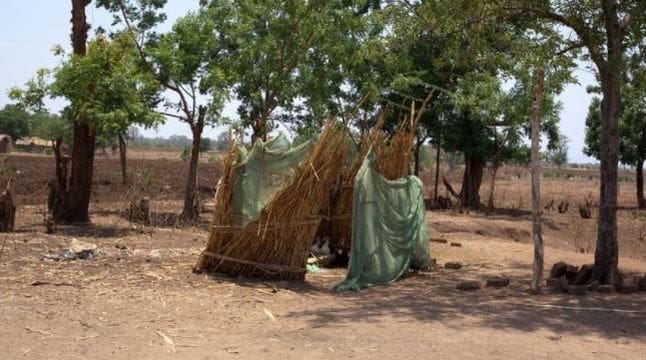
At the centre of Nigeria’s malaria failure is a weak primary healthcare system. Primary healthcare centres meant to serve as the first point of diagnosis and treatment are often under-equipped and understaffed. Diagnostic tools are frequently unavailable. Essential malaria drugs are inconsistent. Health workers are overburdened or insufficient in number, forcing many communities to rely on informal or delayed care.
In rural communities, access to care is delayed or entirely absent. The consequence is predictable: a disease that is easily treatable becomes deadly due to delay and neglect. This weak foundation undermines every other intervention, no matter how well-designed or well-funded.
Furthermore, Obeta said Nigeria is not lacking in malaria policies as national strategies and frameworks exist and are documented, with targets clearly set. On paper, the country appears aligned with global ambitions; however, policy alone does not save lives, he stated.
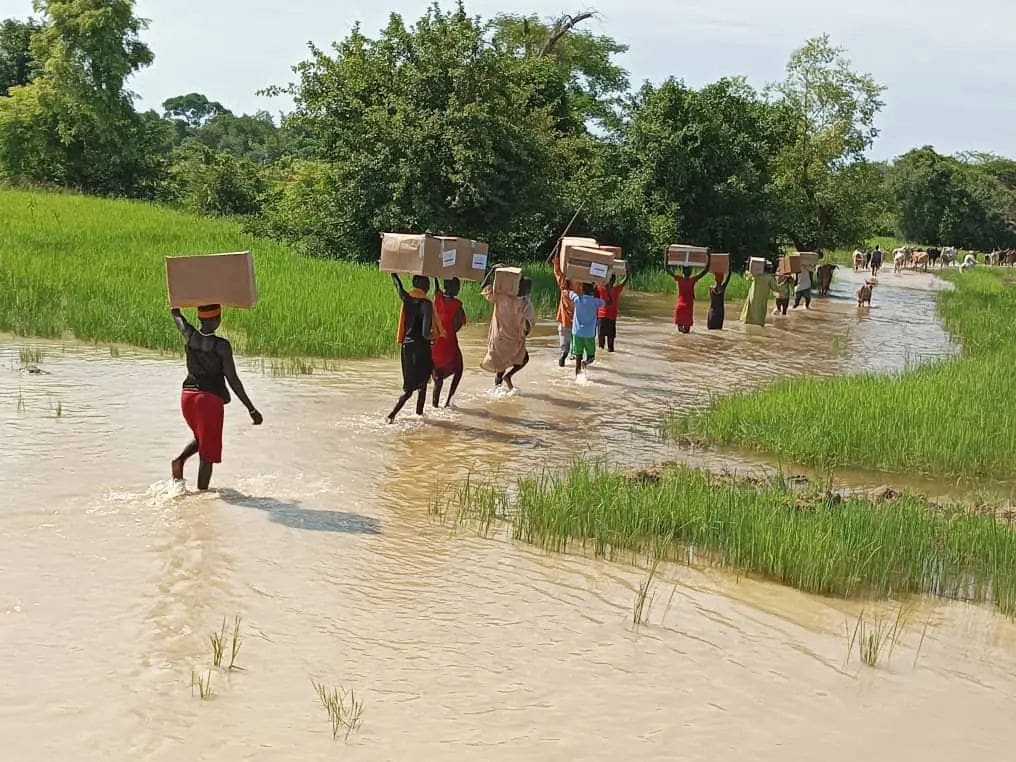
The implementation, according to him, remains the weakest link. In many communities, insecticide-treated bed nets are distributed, yet there is little or no follow-up to ensure they are properly and consistently used. Public health campaigns are frequently launched with visibility and fanfare, but are rarely subjected to rigorous evaluation to measure real impact or behavioural change.
At subnational levels, execution remains uneven. This inconsistency has created a fragmented system where access to effective malaria prevention and response often depends on where a person lives—effectively turning geography into a determinant of survival.
The result is a country that is strong on planning, but persistently weak on delivery.
Dependence and Vulnerability: the Foreign Aid Challenge
For decades, Nigeria’s malaria response has depended heavily on international support, including funding from the Global Fund and other global partners. This external support has helped sustain major interventions such as bed net distribution, treatment programmes, and surveillance systems.
This support has been crucial in reducing malaria deaths globally, including in Nigeria. However, reliance on external funding has created long-term vulnerability. Health systems built on external lifelines remain exposed when those lifelines shift.
Global aid is shrinking, and donor priorities are changing. Countries are increasingly expected to take ownership of their health financing responsibilities.
“We are already seeing funding cuts,” Obeta warned, adding that “Nigeria is not yet prepared for this transition.”
Meanwhile, around 75 percent of healthcare costs are still paid directly by citizens, making malaria treatment a financial burden for millions of households. For many families, a single malaria episode can mean borrowing money, selling assets, or delaying other essential needs.
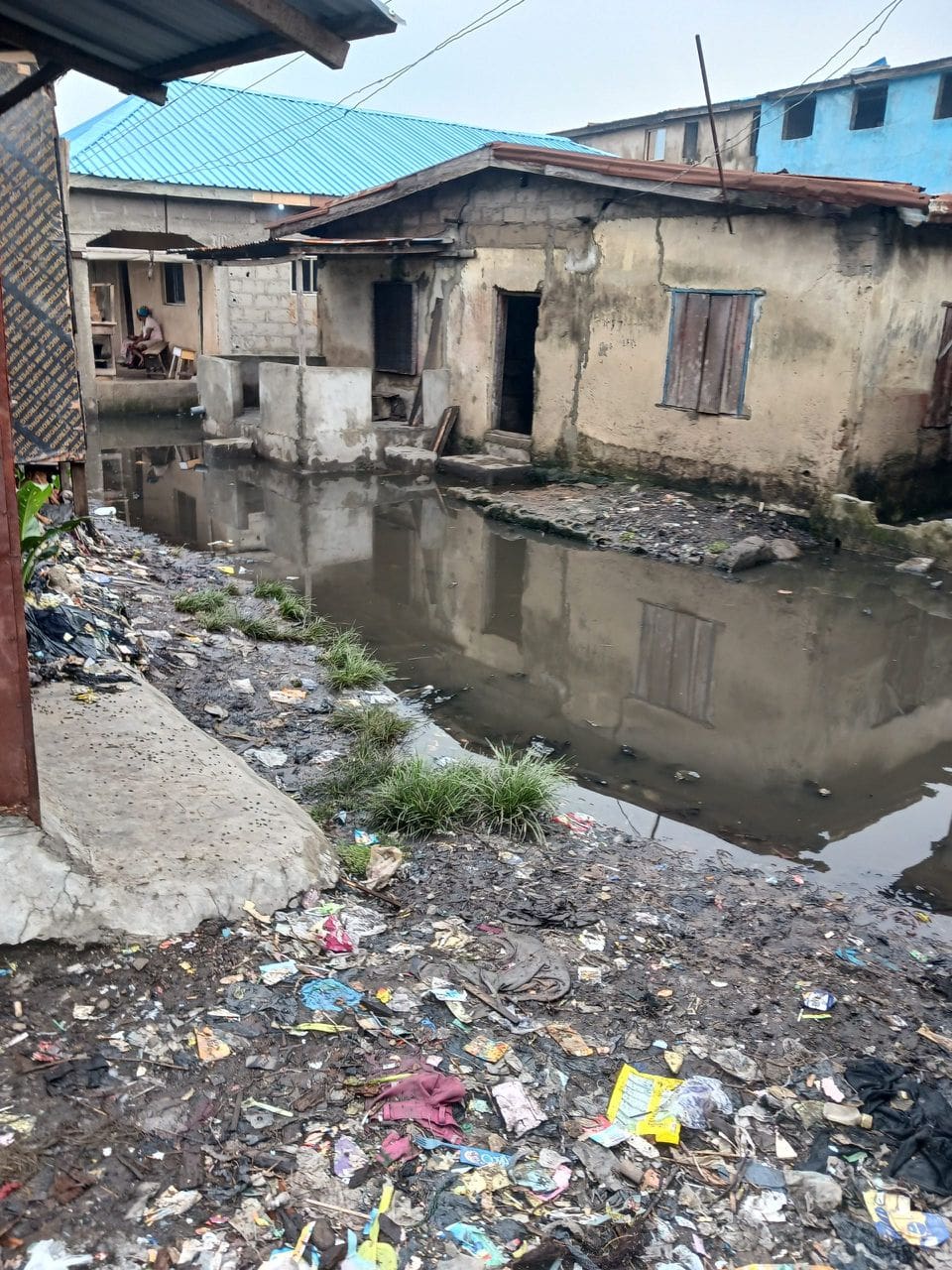
Malaria does not spread evenly—it follows inequality. Poor drainage systems create stagnant water where mosquitoes breed. Overcrowded housing increases exposure. Poverty limits access to prevention and treatment.
In many communities, malaria is not an isolated illness but a reflection of living conditions. As Obeta puts it, “Malaria is a disease of inequality.” It thrives where systems fail, and retreats where infrastructure and living standards improve.
Until these structural conditions are addressed, medical solutions alone will not be enough, he added.
Are We Losing the Fight? A Mixed Reality
Experts believe that Nigeria is not completely failing in the fight against malaria, but it is not winning either. The reality sits in a difficult middle ground, one of partial progress, interrupted gains, and recurring setbacks.
“We are not losing completely,” Obeta says, “but we are fighting the wrong way.”
New threats are emerging that complicate progress. Resistance to artemisinin-based drugs is increasing, threatening treatment effectiveness. Mosquitoes are developing resistance to insecticides used in nets, reducing the impact of one of the most widely used prevention tools.
Fake and substandard drugs continue to circulate in markets, undermining trust and treatment outcomes.
These challenges threaten to reverse years of progress and make control more difficult, especially in high-burden areas where health systems are already stretched.

Dr. Izuagba Kelechi Udoka of the Medical Women’s Association of Nigeria (FCT) highlights another critical issue: inconsistency. She explains that interventions exist but are unevenly distributed and poorly sustained. Many Nigerians still lack access to insecticide-treated nets. Diagnosis is often delayed, especially in underserved communities. Treatment is not always timely or properly administered.
The problem, she notes, is not the absence of action but the lack of scale, coordination, and continuity.

Innovation And Uncertainty: The Next Frontier
Both experts agreed that new scientific innovations are reshaping malaria control globally, offering possibilities that were unthinkable a decade ago. These include genetically modified mosquitoes, sterile male techniques, and gene-drive technologies designed to reduce transmission by altering mosquito populations.
The World Health Organisation has established strict safety frameworks for these interventions. However, in Nigeria, innovation faces a different barrier: trust. Without public understanding and acceptance, even the most advanced tools risk rejection or misuse.
Trust has become one of the most critical determinants of success in malaria control. In some communities, mosquito nets are misused for fishing or other purposes. Health campaigns are sometimes met with suspicion, shaped by misinformation or past experiences with inconsistent implementation.
Experts argue that communities must no longer be passive recipients but active participants in malaria interventions. Without trust, progress stalls, regardless of scientific advancement.
Responding to this, experts say Malaria elimination is not theoretical; it is proven. Countries like Algeria and Cape Verde have eliminated malaria entirely after sustained efforts over time. Others, such as Ghana, are steadily progressing toward control and eventual elimination.
The difference lies not in geography or biology but in sustained investment, strong systems, and political commitment maintained over decades rather than years.
Nigeria remains far from this trajectory. Despite its size and resources, it has yet to build the consistency required for elimination.
Africa accounts for about 94 percent of global malaria cases. Experts insist that the response must therefore be African-led, context-specific, and institutionally owned.
This includes investing in local research, manufacturing drugs and diagnostics domestically, and strengthening institutions that can sustain progress beyond donor cycles. Nigeria must shift from dependency to ownership if elimination is to become realistic.
The Gender Dimension: An Overlooked Force
Women remain underrepresented in malaria research and leadership, despite being central to its impact and response.
Yet they are among the most affected, particularly pregnant women, for whom malaria poses heightened risks to both mother and child. In many households, women are also the primary caregivers, influencing when and how treatment is sought.
Increasing women’s participation in policy and research could significantly strengthen malaria response systems, making them more responsive to community realities and household-level decision-making.
Despite its devastating toll, malaria does not receive the level of political urgency it deserves. Funding remains inadequate. Attention is inconsistent. Competing priorities dilute focus.
As a result, malaria continues to be treated as routine rather than a national emergency, despite killing more Nigerians than many high-profile diseases.
The Economic Cost of Inaction
Malaria is not only a health burden; it is an economic drain with measurable consequences.
Africa loses about 1.3 percent of its GDP annually due to malaria-related impacts. This includes lost productivity, reduced labour output, increased healthcare spending, and long-term developmental setbacks.
Yet every dollar invested in malaria control can yield up to forty dollars in economic returns. This makes malaria control not just a health intervention, but one of the most cost-effective development strategies available.
Inaction is therefore not only a health failure; it is an economic miscalculation that continues to slow national progress.
READ ALSO:
- UNICEF Strikes New Deal to Slash Malaria Vaccine Costs, Expand Access Across Africa
- Nigeria to Roll Out Twice-yearly HIV Prevention Injection Lenacapavir
- NAFDAC Seizes N1.2bn Worth of Fake Malaria Drugs in Lagos
- Why Fixing Nigeria’s Broken Supply Chains Could Unlock Billions, Redefine the Economy
Experts say the 2026 theme, “Driven to End Malaria: Now We Can. Now We Must.”, is both a statement of capacity and an urgent call to action, shifting the conversation from what is possible to what must be done.
For Nigeria, they argue this requires strengthening primary healthcare so it functions as a real first point of care, not a symbolic structure. It also means increasing domestic funding to reduce dependence on external donors, improving environmental sanitation to cut mosquito breeding, and closing the persistent gap between policy and implementation.
They further stress the need to rebuild public trust, deepen community engagement, and invest in local innovation and capacity so that solutions are developed within the country, not only imported.
Above all, they emphasise consistency, warning against short-lived interventions driven by funding cycles or political attention.
According to experts, malaria remains one of Nigeria’s most preventable causes of death. The tools exist, the knowledge is available, and global commitment is strong. Yet deaths continue.
They say the question is no longer whether malaria can be ended, but whether Nigeria will act decisively enough to end it. Until that happens, malaria will remain a crisis that should have been ended decades ago.

Esther Ososanya is an investigative journalist with Pinnacle Daily, reporting across health, business, environment, metro, Fct and crime. Known for her bold, empathetic storytelling, she uncovers hidden truths, challenges broken systems, and gives voice to overlooked Nigerians. Her work drives national conversations and demands accountability one powerful story at a time.