

Botswana has introduced a new rule aimed at increasing local ownership in the mining sector, as part of broader efforts to ensure citizens benefit more directly from the country’s mineral wealth.
The change, which amends the Mines and Minerals Act, previously gave the state the right to buy a 15% shareholding in any mining concession. Under the new rule, companies are now required to sell a 24% stake in new mining concessions to local investors if the government decides not to buy.
According to the Ministry of Mines and Energy, the regulation took effect on October 1, marking a significant policy shift in Africa’s top diamond-producing nation.
READ ALSO: Namibia, Botswana Set to Build $4Bn Joint Oil Refinery
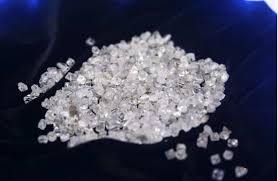
Botswana, the world’s leading diamond producer by value, has been grappling with reduced revenues following weak global demand and competition from synthetic diamonds. The decline in earnings has made it difficult for the southern African nation to finance its budget, with revenues dropping by 50% in 2024.
The International Monetary Fund (IMF) projects that Botswana’s economy will contract for a second consecutive year, shrinking by 0.4% in 2025 after a 3% decline in 2024.
Mining remains the backbone of Botswana’s economy, accounting for about 70% of export earnings and nearly 30% of government revenue. For decades, the country maintained a stable partnership with global mining giant De Beers, through their joint venture, Debswana, which manages most of the nation’s diamond production.
In recent years, however, the government has been working to increase local participation and value addition in the mining sector. This shift gained momentum in 2023, when Botswana renegotiated its long-term diamond sales agreement with De Beers, securing a larger share of rough diamonds for its state-owned Okavango Diamond Company (ODC).
READ ALSO: DR Congo Confirms 11 New Ebola Cases as Outbreak Deepens
The new 24% local ownership rule continues this push toward economic inclusion, aiming to empower Batswana investors, reduce dependence on foreign capital, and promote downstream industries such as cutting, polishing, and jewellery manufacturing.
Analysts say the reform could boost domestic investment and job creation if properly implemented, while ensuring that the country’s natural resources contribute more directly to national development.

Esther Ososanya is an investigative journalist with Pinnacle Daily, reporting across health, business, environment, metro, Fct and crime. Known for her bold, empathetic storytelling, she uncovers hidden truths, challenges broken systems, and gives voice to overlooked Nigerians. Her work drives national conversations and demands accountability one powerful story at a time.