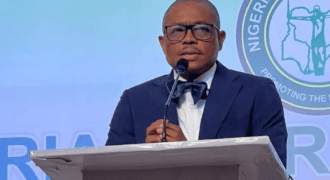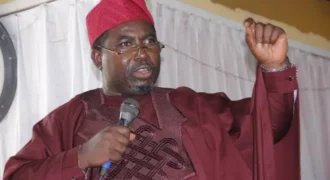


The Governor of Bauchi State, Bala Mohammed, is expected to join the ruling All Progressives Congress (APC) on Tuesday as part of his ongoing political realignment.
Mohammed had resolved to leave the Peoples Democratic Party (PDP) after holding a meeting with President Bola Tinubu and leaders of the APC.
Conditions for Defection
THISDAY reports that Sources familiar with the discussions said Mohammed’s planned move to the APC comes with conditions considered less favourable than those granted to some politicians who had previously joined the ruling party.
According to the sources, the only concession reportedly offered to the Bauchi governor is the party’s ticket for the Senate.
RELATED NEWS:
- Bala Mohammed Dismisses PDP Faction, Coalition Claims
- Bala Mohammed Drops 2027 Presidential Bid, Backs PDP Zoning to South
- PDP Crisis: Wike’s Faction Expels Makinde, Bala Mohammed, Dauda Lawal as Turaki Seeks Trump’s Intervention
He is, however, not expected to nominate a successor for the governorship position in the state.
The sources further disclosed that the president insisted that the APC structure in Bauchi should remain under the control of the party leadership rather than any individual, citing the political sensitivity of the state and its proximity to several competing power blocs.
Although Mohammed was said to have pushed for a 60–40 sharing arrangement of political structure and influence, it remained unclear whether the proposal had been accepted by the APC leadership through the party’s National Chairman, Newante Yilwatda.
APC Governors Expected to Rise to 32
Despite the unresolved issues, Mohammed is said to have concluded plans to formally join the APC on Tuesday at a ceremony expected to be attended by key figures of the party from across the country.
If the defection goes ahead as planned, the move would raise the number of APC governors to 32, leaving the opposition Peoples Democratic Party, Labour Party, All Progressives Grand Alliance, and Accord Party with one governor each.

Rafiyat Sadiq is a political, justice, and human rights reporter with Pinnacle Daily, known for fearless reporting and impactful storytelling. At Pinnacle Daily, she brings clarity and depth to issues shaping governance, democracy, and the protection of citizens’ rights.