
The recent escalation of conflict in the Middle East, involving US-led strikes on Iran and subsequent retaliation, has caused a notable surge in crude oil prices in the global energy markets.
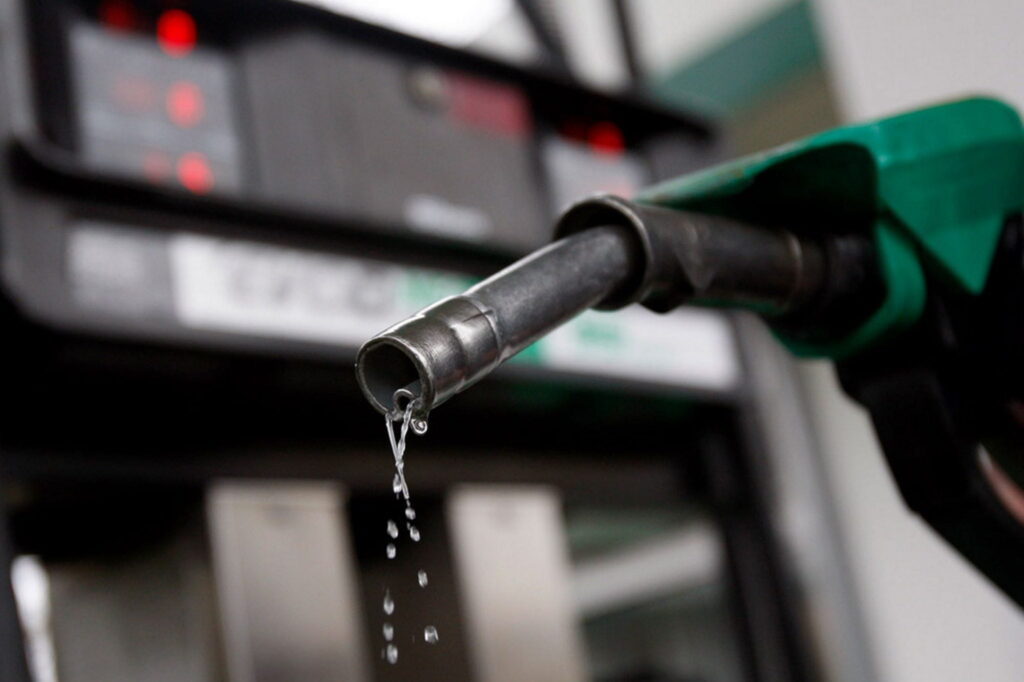
The surge in crude oil prices in the international market has caused a hike in the prices of Premium Motor Spirit (PMS), also known as petrol in Nigeria.
The United States and Israel launched a joint military attack on Iran during the weekend, leading to the death of Iran’s Supreme Leader, Ayatollah Ali Khamenei and other top security officials in the country. Iran vowed to avenge and subsequently lauched missle attacks on neighbouring Gulf countries where the U.S. has airbases, including the United Arab Emirates (UAE), Kuwait, Oman, Qatar, Bahrain and Saudi Arabia.
In the last two trading days, crude oil prices have increased by about 15 per cent, rising above $80 per barrel. According to OilPrice.com, Brent Crude, the global benchmark, has hit $84.25, while the U.S. West Texas Intermediate (WTI) has reached $76.92 per barrel on Tuesday. On Friday, February 27, Brent Crude had closed at $72.87 per barrel, while WTI closed at $66.40 per barrel.
Prices saw their first major spike on Monday, March 2, as markets reacted to the weekend strikes in the Middle East. Brent jumped by about 9 per cent in a single session, briefly touching $82 before settling around $79 per barrel. The momentum continued on Tuesday, March 3, with an additional 6 per cent increase. This was fueled by news of drone strikes on Saudi Arabia’s Ras Tanura refinery and reports of a fire at the Fujairah oil hub in the UAE.
Impact on Nigeria
Nigeria’s vulnerability to these global shocks is heightened by its reliance on the international market.
Marketers have adjusted their prices in line with the market realities, causing retail prices to also rise.
The Dangote Petroleum Refinery raised its petrol gantry price from ₦774 to ₦875 per litre on Monday, reflecting a ₦101 (13 per cent) increase. According to Petroleumprice.ng, Dangote Refinery has also raised its ex-depot price of Automotive Gas Oil (AGO), also known as diesel, to ₦1,050 per litre from ₦880 sold previously.
Several private depots have temporarily suspended petrol sales to observe the market trend and recalibrate prices, fearing they would sell below the cost of replacing their stock.
Checks by Pinnacle Daily on Tuesday reveal that filling stations in Lagos have increased their pump prices. An MRS retail outlet in Computer Village, Ikeja, sold at ₦939 per litre on Tuesday morning, a ₦100 increase from ₦839 sold previously. Similarly, Mobil filling station at Oba Akran Avenue, Ogba, Ikeja, increased its pump price from ₦839 to ₦939.
In a chat with Pinnacle Daily, a motorist plying the Ikeja-Ogba route, Mr. Adebisi, expressed concern about the sudden hike in the price of petrol. He said that if the price hike persists, it would affect their profit margin if there is no commensurate increase in transport fares in the days ahead.
“We have become used to fuel price increases in Nigeria. Anything we see, we take it,” he stated, accusing petroleum marketers of taking undue advantage of consumers. “They like to increase fuel price all the time, and when it comes down, it is usually not at the rate at which the price went up,” he further stated.
Reacting to the development, the Independent Petroleum Marketers Association of Nigeria (IPMAN) said the surge in crude oil prices in the international market forced Dangote Refinery to increase its gantry price.
IPMAN spokesperson, Chinedu Ukadike, said the price of petrol may reach up to ₦1,000 in some parts of the country.
“Dangote Refinery has increased price because crude oil price is going up in the international market,” Ukadike stated in an interview.
The IPMAN spokesperson assured the availability of petroleum products and urged consumers to avoid engaging in panic buying.
Why Prices are Rising
Analysts have attributed the surge in crude oil prices to the disruption of vessel movement through the Strait of Hormuz. About 20 per cent of the world’s oil passes through the strait. Following Iran’s retaliatory strikes, shipping operations through this strategic waterway have been severely disrupted, creating a major bottleneck and fears of supply shortages.
Iran, which produces 3.3 million barrels daily (3% of global output) and has third largest oil reserve (209 billion barrels) in the world, controls access to the Strait of Hormuz.
About 20.5 million barrels of crude reportedly pass through the Strait of Hormuz, which connects the UAE and Oman on one side with Iran. These crudes mostly come from Saudi Arabia, Bahrain, and the UAE. About 84 per cent of it goes to China and other parts of Southeast Asia.
Analysts at Goldman Sachs and other major firms like JP Morgan have stated that if the Strait remains blocked for more than a week, the rate of increase could accelerate, pushing Brent Crude above $100 per barrel.
Commenting on the development, energy economist and co-founder of Diary Hills, Mr. Kelvin Emmanuel, said the disruption of crude oil supply would lead to a hike in crude price. According to him, the implication for Nigeria is that revenue from oil would increase, as the price of oil is already above the $64.85 per barrel benchmark estimated in the 2026 national budget.
Emmanuel, who featured on Arise News Television, said that on the way round, any increase in crude oil prices would push up the cost of petroleum products in the country. This, according to him, is “because we are in a post-subsidy era, and any increase in the price of crude oil means that the refineries, such as Dangote Refinery, is going to revise their price based on their cracking margin on the realities we have on the ground today.”
He further pointed out that an increase in the price of petroleum products as a result of crude price surge could push Nigerian inflation up, as transportation and food costs are linked to fuel prices.
“The near-term implication is that if crude oil prices go up, the price of PMS and diesel would go up in Nigeria, which might have an impact on the cost price index inflation in Nigeria. So, it is a double-edged sword,” Emmanuel added.
READ ALSO:
- Energy, Industrial Stocks Spark ₦17.6trn Gain in February
- Iran–US–Israel War: CPPE Flags Inflation Threat to Nigeria
- Thousands of Flights Remain Cancelled, Billions of Dollars Lost as U.S.-Israel War Against Iran Continues
- Competition Intensifies as Petrol Landing Costs Drop Below Dangote Prices
Dependence on Imports
Despite being a major oil producer and having local refineries like the Dangote Refinery, Nigeria still depends on imported refined petroleum products. The country is also a significant importer of crude oil for its local refineries, with over 60 per cent of refinery feedstock reportedly coming from abroad. This means domestic prices are heavily influenced by global prices and foreign exchange rates.
Energy experts urged the government to urgently prioritize strengthening domestic refining capacity. They argue that ensuring a consistent and adequate supply of crude oil to local refineries—especially under the Naira-for-Crude policy—is a strategic imperative to shield the economy from global geopolitical shocks.
Fiscal Management
Energy economist Prof. Omowumi Iledare advised the government to exercise fiscal prudence. Iledare, a professor of Petroleum Economics, recommends that any extra revenue from higher oil prices (windfall) should be saved, rather than spent, and that the government should adhere strictly to the budget benchmark.

Victor Ezeja is a passionate journalist, scholar and analyst of socioeconomic issues in Nigeria and Africa. He is skilled in energy reporting, business and economy, and holds a master's degree in mass communication.