

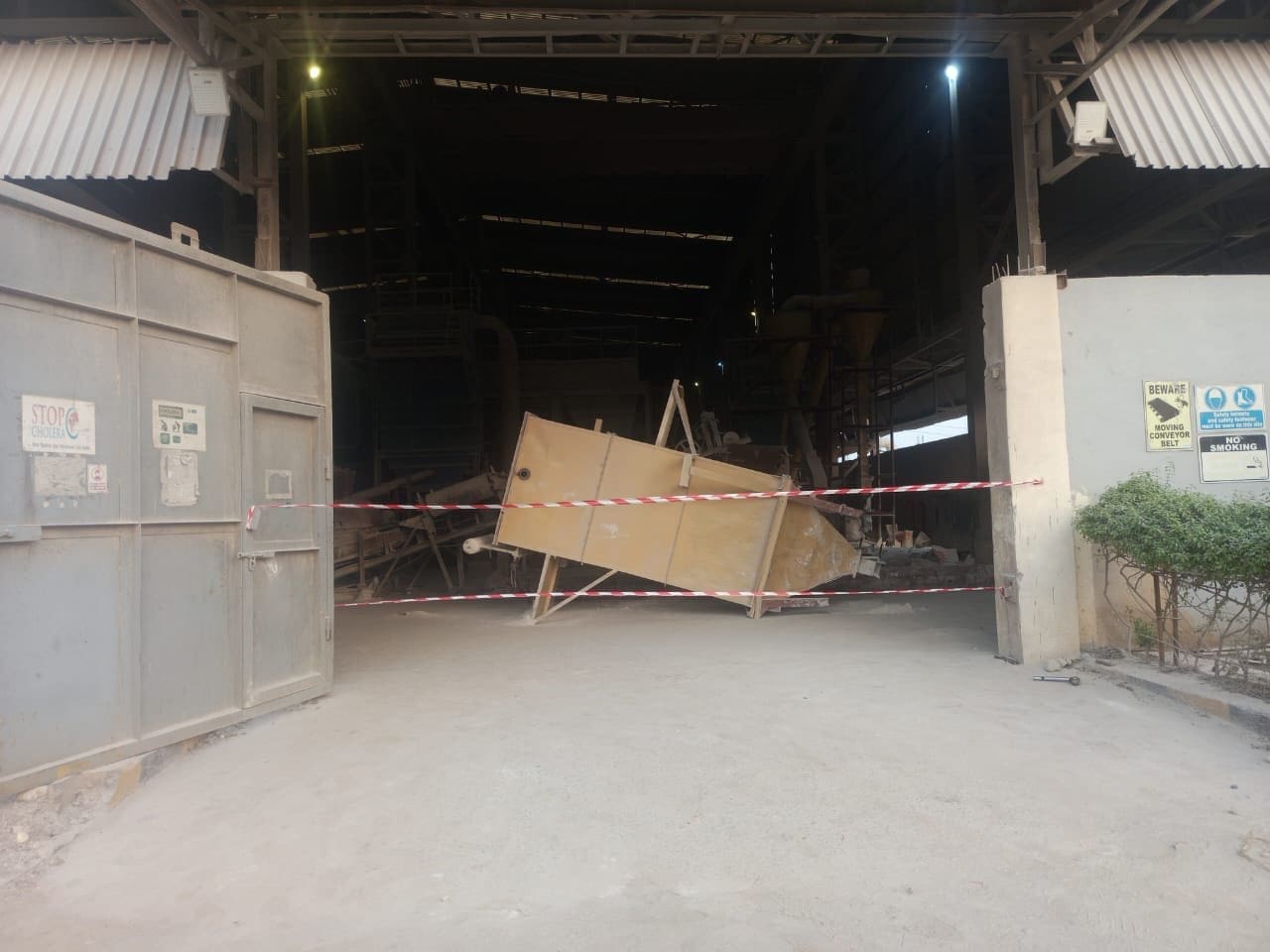
The Ogun State Government has shut down African Refractory and Allied Products Limited (ARAP), a company that crushes quartz stones into fine powder used in steel furnaces. The closure follows a viral video exposing serious health risks for workers.
In the Footage, Bartholomew Aniemeka, a former employee, said he contracted silicosis, a severe lung disease caused by silica dust, while working at the plant. He left the company in June 2025. The footage, widely shared on social media, highlighted long-standing health risks in Ogijo’s industrial areas.
Understanding Silicosis: The Silent Threat in Industrial Workplaces
Silicosis is a severe lung disease caused by inhaling fine dust containing silica, a mineral found in sand, quartz, and other rocks. Workers in industries like stone crushing, sandblasting, mining, and glass or ceramic production are most at risk.
When silica particles enter the lungs, they trigger inflammation and scarring, reducing the lungs’ ability to absorb oxygen. Over time, this can lead to chronic breathing difficulties, persistent cough, chest pain, fatigue, and, in severe cases, respiratory failure.
Silicosis is incurable. Treatment focuses on managing symptoms, preventing further exposure, and providing respiratory support. Severe cases may require lung transplantation. The disease also increases vulnerability to tuberculosis and other lung infections.
Prevention is key. Workers must use protective gear, such as masks and respirators, ensure proper ventilation, and follow strict occupational safety regulations. Companies are responsible for creating safe environments to protect employees from this life-threatening disease.
In the case of ARAP, Ogijo, former employee Bartholomew Aniemeka alleged that the company failed to enforce these safety measures, putting workers at risk of silicosis, a claim that prompted the Ogun State Government to shut down the facility and launch an investigation.

According to reports and company records, over 45 workers have reportedly died from health complications linked to their employment at ARAP. This revelation has intensified public scrutiny and raised urgent questions about industrial safety, worker protection, and regulatory oversight in the Ogijo area. Many residents and advocacy groups are now calling for accountability and stricter enforcement of safety standards to prevent further tragedies.
Worker Grievances and Alleged Exploitation
Some former employees have also raised concerns about salary disparities and unfair treatment at ARAP. Taiwo, a former worker, revealed on social media that the company employs a large number of Indian staff in Nigeria and reportedly pays Nigerian workers less than half of what foreign employees earn. He reflected on his experience, stating that he “wasted 15 good years working for them,” underscoring longstanding frustration over compensation and workplace fairness.


During a fact-finding visit, Commissioner for Environment Ola Oresanya, accompanied by officials from the Ministry of Environment and the Ogun State Environmental Protection Agency (OGEPA), confirmed that ARAP would remain closed. He assured the public that the government is actively investigating the allegations. The investigation will examine the company’s practices and the health risks to employees.
Victim Receives Medical Care
Bartholomew, currently at TopMed Hospital, Ogijo, is in stable condition. His sister, who accompanied him, expressed concern over his health in the viral video. The state government has promised full medical support, including diagnostic tests to determine the extent of his illness. Authorities also pledged to follow up with all necessary interventions.
Public Demands Accountability
The closure sparked public debate. Some X users, like Stella Stickle, criticised the government for delayed action, noting that unsafe operations at ARAP may have been ongoing since 2007. Others urged stricter monitoring of industrial zones, especially along the Lagos–Ibadan Motorway and in Ogijo.
Environmental advocate Morire-Essential called the closure a positive step but stressed the need for proper oversight. Resident Tayor warned that workers’ health remains at risk unless safety measures improve.

The Ogun State Government assured residents it will investigate thoroughly, provide care for affected workers, and take legal action where necessary. The case underscores the urgent need for industrial safety reforms, proper enforcement of environmental laws, and routine monitoring of high-risk workplaces.
As ARAP stays closed, public attention now focuses on strengthening regulatory oversight in Ogijo and similar industrial clusters to prevent occupational hazards and protect workers’ health.

Esther Ososanya is an investigative journalist with Pinnacle Daily, reporting across health, business, environment, metro, Fct and crime. Known for her bold, empathetic storytelling, she uncovers hidden truths, challenges broken systems, and gives voice to overlooked Nigerians. Her work drives national conversations and demands accountability one powerful story at a time.