

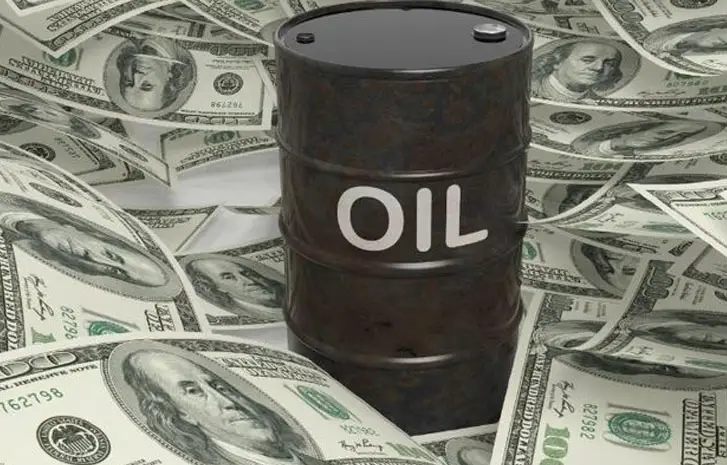
The global oil market was rattled on Monday, March 2, as crude prices surged toward $80 per barrel, driven by escalating tensions across the Middle East and fears of broader supply disruptions.
According to data published by OilPrice.com, Brent Crude rose sharply on Monday, reaching $79.85 per barrel. The U.S. counterpart, West Texas Intermediate (WTI), also rallied, hitting $72.50 per barrel.
The oil price surge reflects mounting anxiety among traders that the conflict between Iran and the United States could threaten key shipping lanes and production hubs.
The U.S. and Israel carried out a joint military attack on Iran during the weekend that led to the death of Iran’s Supreme Leader Ayatollah Ali Khamenei and some top security officials. Over 500 people were reportedly killed in the attack. Iran vowed to retaliate and has attacked U.S. military bases in parts of the Middle East, including Qatar, Bahrain, the UAE, and Kuwait.
The U.S. and Israel said strikes on Iran would continue.
The latest spike follows intensified hostilities involving regional powers, including renewed exchanges between Israel and armed groups backed by Iran. While no major oil infrastructure has been directly struck, analysts warn that the risk to crude prices is growing as diplomatic efforts falter.
READ ALSO:
- Oil Prices Jump 1.7% Amid Iran Unrest, Supply Disruption Concerns
- Iran–US–Israel War: CPPE Flags Inflation Threat to Nigeria
- Iran Forms Interim Govt after Supreme Leader Killed in US-Israeli Strikes
The anxiety is centered on the Strait of Hormuz, a waterway through which 20 per cent of the world’s oil and LNG passes. Roughly a fifth of the world’s oil passes through that narrow waterway each day, making it one of the most strategically sensitive chokepoints on the planet. Insurance premiums for tankers have already risen, and some shipping companies are reportedly reviewing transit routes as a precaution.
While Iran claims the strait remains open, major shipping firms like Maersk and MSC have halted transits due to security threats and the reported sinking of several naval vessels. At least three oil tankers were reportedly attacked over the weekend.
Supply Concerns
Iran is a major oil producer, capable of pumping around 3.3 million barrels per day. A sustained loss of this supply, combined with the strait’s closure, would significantly tighten global markets.
OPEC+ Response
In a meeting on Sunday, OPEC+ agreed to a modest output increase of 206,000 barrels per day for April, but traders remain skeptical that this can offset the physical blockade of Gulf shipping lanes
There are fears that price volatility could persist in the days ahead. Should tensions ease through diplomatic intervention, prices could retreat quickly. But if the conflict widens or if critical infrastructure becomes a target, analysts warn that crude price could climb to $100 per barrel, reigniting global economic uncertainty.

Victor Ezeja is a Nigerian journalist skilled in producing insightful news analyses, feature stories, and interviews that simplify complex issues and drive informed public discourse. His work combines rigorous research, balanced reporting, and compelling storytelling to highlight developments shaping industries and society. Victor, who holds a Master's Degree in Mass Communication, specializes in energy, aviation, business, and economic reporting. He can be reached via @VICTOREZEJA on X