

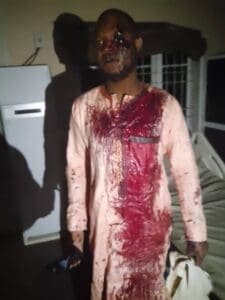
Blood streamed down his face. Deep gashes marked his hands. Mubarak Bello, 38, had just survived a brutal machete attack outside his home in Sabon Unguwa, Katsina State, Nigeria.
“Even yesterday they attacked me. I wounded two people, and they also wounded me. I don’t know how long I can withstand this pressure,” he said in a voice note obtained by Pinnacle Daily.
The attack was no random assault. It was linked to the explosive secret Bello had uncovered: a ghost payroll racket allegedly run by senior officers in the Katsina State Police Command, syphoning millions from government funds.
For over a decade, Bello ran a modest business centre inside the Katsina State Police Headquarters, handling secretarial jobs, including typing official documents, processing loan applications, preparing promotion letters, and managing personnel files.
READ ALSO: Trade Intelligence: How Nigerian Customs’ Data Gap Undermines Growth, Investment
Through this work, he discovered a web of corruption: Fake employees listed on the police payroll, Forged certificates, appointments, and confirmation letters, Bank accounts for non-existent officers, Unauthorised access to the IPPIS payroll system to divert salaries. “At first, I didn’t know it was illegal. They said it was a new recruitment process,” Bello explained in petitions and statements to the ICPC.
When officers later demanded Bello submit his own name and that of an acquaintance, Muhammad Hussaini, he resisted, refusing to open accounts to collect fraudulent salaries.
Ghost workers are fictitious employees added to government or organisational payrolls so that someone else can collect their salaries. In this case, the scheme allegedly involved senior police officers diverting millions of naira.
Petitions, Legal Battles, and Dead Ends
Bello began reporting the fraud as early as 2017, filing complaints with the ICPC, EFCC, Police Service Commission (PSC), Office of the Attorney General of the Federation and Minister of Justice.
His petitions detailed dozens of implicated officers, including CSP Bashir Abubakar – Finance Officer, ASP Yakubu Ibrahim – Assistant Finance Officer, ASP Garba Shinkafi and his assistant, and other officers: Jibrin Usman, Nasir, SP Ya’u Idris, Ahmed “Manchester”, Alhaji Ibrahim Kambarawa, Jamilu Abubakar, Kamala Lawal, Sailas Tanko, Safiya Usman, Michael Victor, and several unnamed bank managers.
Despite mounting evidence, investigations stalled. Invitations issued by the ICPC to these officers in 2020 and 2021 were ignored. Even requests to the then IGP Mohammed Adamu for their release went unanswered. “Rather than protect him, the system left Bello exposed. His arrest is victimisation,” an ICPC source said.
READ ALSO: ICPC Recovers N271bn, Tracks 1,440 Govt Projects in Northern Nigeria
Bello endured relentless intimidation: 2020 raids on his home and office, where officers confiscated documents and machines; false arrests for impersonation; and beatings at the Katsina Divisional Crime Officer’s office.

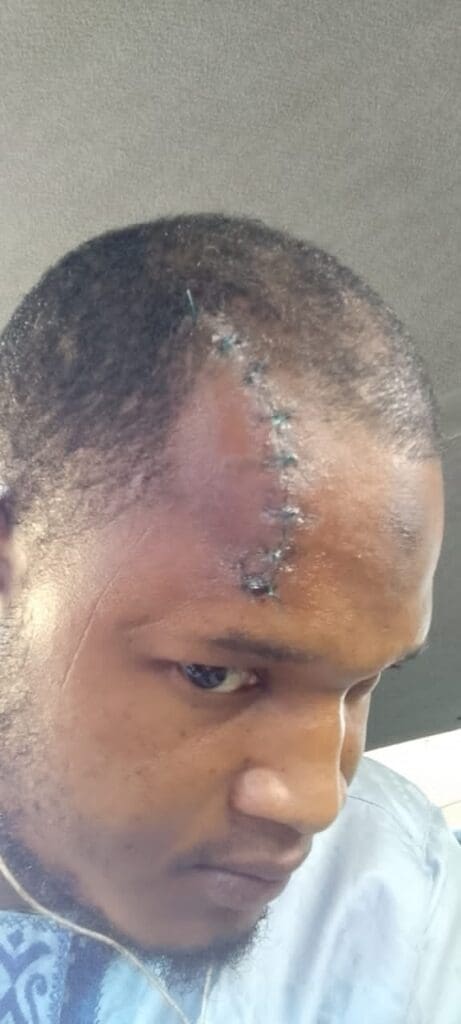
In October 2024, assailants attacked him with machetes, leaving deep cuts on his head and hand. He was rushed to the Federal Medical Centre, Katsina, and in a voice note, he pleaded for help: “Can you help me to do this thing, or should I just give up about these people? Even yesterday they attacked me. I wounded two people, and they also wounded me severely.”
Bello also carried a locally made firearm for self-defence, which police later cited during his September 13, 2025, arrest.
The Arrest: Retaliation Disguised as Law Enforcement
The Katsina State Police claimed Bello was stopped during a routine night patrol in his Toyota Corolla for impersonation, possession of a fake police ID, and unlawful possession of firearms.
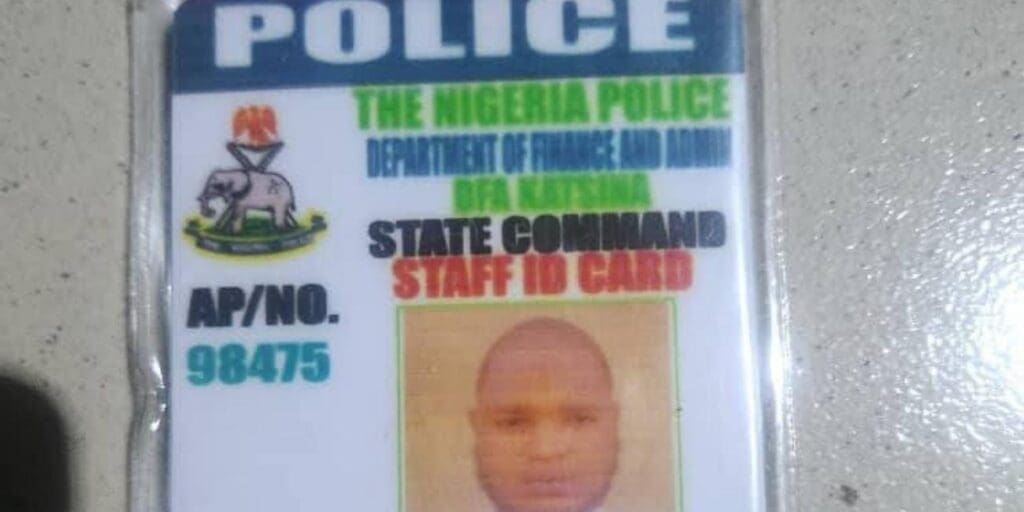
But sources close to Bello insist this was punishment for exposing the payroll scam. “This man should be celebrated for protecting public funds, not harassed,” a senior ICPC official said.
Bello’s petitions revealed the scale of the corruption: senior finance officers created fake recruitment records, non-existent employees were added to payrolls, bank accounts were opened to divert funds, and fake promotion and transfer letters were generated.
Despite these revelations, the police ignored ICPC investigations, including invitations for officers implicated in suspicious IPPIS entries.
“Bello’s whistleblowing should have led to protection, not persecution. The system is failing those who expose corruption,” said an investigative source.
READ ALSO: South Africa Reopens Investigation into Steve Biko’s Death After 48 Years
2017: Bello notices payroll irregularities, begins documenting ghost worker scheme
2020: Petitions ICPC, EFCC; arrested and detained on false charges
October 2024: Ambushed by machete-wielding attackers; survives severe injuries
September 13, 2025: Arrested by police for alleged impersonation and illegal firearm possession
The Human Cost
- Life-threatening attacks and injuries
- Arrests and legal harassment
- Emotional trauma and ongoing threats
“Even after all this, I still want justice. I want these rot exposed,” Bello told Pinnacle Daily.
Bello’s story illustrates the risks whistleblowers face in Nigeria, exposing not only corruption but the danger of retaliation from the very institutions meant to uphold law and order.
READ ALSO: Nigeria’s Inflation Rate Drops to 20.12% in August — NBS
As of this publication, the Katsina State Police Command has not addressed the ghost worker allegations.
Spokesperson Abubakar Sadiq Aliyu declined to comment, saying he was “in transit”.
Bello continues his fight, symbolising the courage of Nigerians willing to risk everything to expose corruption.
Pinnacle Daily will continue to track this investigation, reporting updates on Bello’s safety, police accountability, and systemic corruption.
“Even yesterday they attacked me. I wounded two people, and they also wounded me.” – Mubarak Bello
“Rather than arrest him, this man should be given a national honour and protected from further harassment.” – ICPC source
“Bello’s whistleblowing should have led to protection, not persecution.” – Investigative source

Esther Ososanya is an investigative journalist with Pinnacle Daily, reporting across health, business, environment, metro, Fct and crime. Known for her bold, empathetic storytelling, she uncovers hidden truths, challenges broken systems, and gives voice to overlooked Nigerians. Her work drives national conversations and demands accountability one powerful story at a time.