
Esther Ososanya
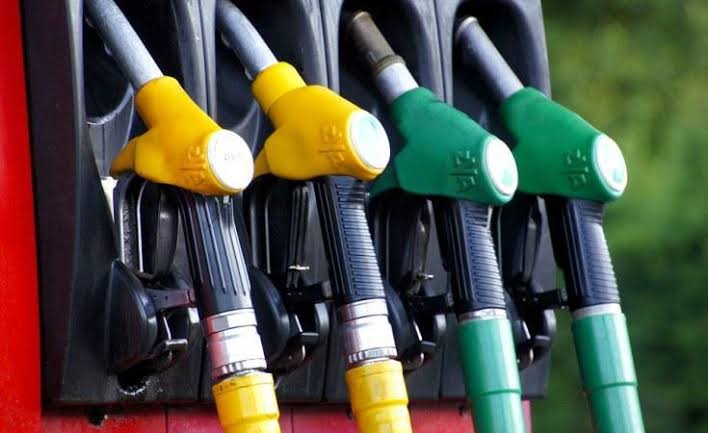
ActionAid Nigeria has urged the Federal Government to suspend its proposed 5% surcharge on fossil fuel transactions, warning that the policy could damage the country’s fragile economic recovery and worsen inequality.
The new levy, introduced in Section 158 of the recently gazetted Nigeria Tax Act, is scheduled to take effect in 2026. It aims to raise non-oil revenue and promote a transition to cleaner energy. But critics believe the tax could trigger new inflation, compounding the hardship already faced by many Nigerians since the fuel subsidy removal and naira float in 2023.
“This policy will have a regressive impact if introduced in this current climate,” said Dr Andrew Mamedu, Country Director of ActionAid Nigeria, during a press briefing in Abuja. “Fuel prices will go up. Transport costs will rise. And that will increase the cost of food, education, housing, and healthcare. People with low incomes will suffer the most.”
Cost-of-Living Crisis Still Ongoing
ActionAid warned that a 5% surcharge, when added to current fuel costs, would hit low-income households and small enterprises the hardest. Many are still struggling from the fallout of earlier reforms.
“The country is yet to recover from the economic shock of 2023,” Mamedu noted. “This surcharge could undo whatever small gains we are seeing in the macroeconomic space.”
The law exempts kerosene, LPG, and compressed natural gas (CNG) from the surcharge. But ActionAid says this exemption ignores how most Nigerians live and work. Many businesses and households still depend on petrol and diesel due to poor electricity and weak infrastructure.
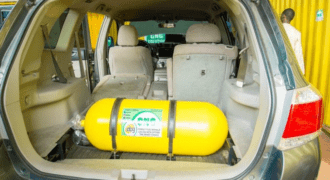
“People want to switch to clean alternatives, but those options aren’t available,” Mamedu explained. “In many places, it takes days to fill a CNG vehicle. Solar systems are expensive. So this policy ends up punishing people who have no choice.”
Lack of Transparency Sparks Concerns
ActionAid also criticised the government for not explaining how the funds from the surcharge would be used. The group fears that without transparency, the money could be mismanaged or even diverted.
“There’s no framework on how these funds will benefit citizens,” Mamedu warned. “We’ve seen it happen with the Petroleum Trust Fund. Nigerians need guarantees that this will not be another failed promise.”
Wrong Timing Ahead of Elections
The organisation said the timing of the policy could backfire politically. With national elections approaching, public trust in government remains fragile.
READ ALSO
- IMF to Nigeria: Curb Spending, Safeguard Fuel Subsidy Savings
- Five Benefits of the Nigeria-UAE Bilateral Agreement
- Nigeria, UAE Agreement Will Strengthen Ties in Renewable Energy, Aviation, Agriculture, Others – Tinubu
- Farmers Leave Paris as Protests Shift to Toulouse Over EU-Mercosur Trade Deal
“In other countries, fuel taxes come with benefits—strong transport systems or energy rebates,” Mamedu said. “But here, those systems are missing. Introducing this surcharge now is politically unwise and socially insensitive.”
ActionAid’s Five Recommendations to Government
ActionAid Nigeria is asking the federal government to take the following steps:
- Suspend the 5% surcharge immediately. Do not introduce it until the economy stabilises and clean energy is accessible to the public.
- Include wider consultation. Engage civil society groups, small business owners, transport unions, and informal workers before passing major tax reforms.
- Invest in clean energy first. Build the infrastructure for more CNG stations, solar grids, and off-grid systems before asking people to transition.
- Create a transparent fund management system. Make sure every naira collected goes into public goods like energy access and public transport.
- Stop funding fossil fuel projects. The government cannot tax fuel use while still investing in fossil infrastructure. It sends mixed signals.
Growth Must Start from the Bottom
ActionAid insists that for any economic policy to succeed, it must first work for those at the bottom of the ladder.
“GDP numbers don’t matter if people are still going hungry,” the group said. “Stability must begin at the micro level. Let Nigerians feel real improvement before imposing new levies.”
ActionAid’s warning is loud and timely: don’t make the people pay for a transition they’re not prepared for.

Esther Ososanya is an investigative journalist with Pinnacle Daily, reporting across health, business, environment, metro, Fct and crime. Known for her bold, empathetic storytelling, she uncovers hidden truths, challenges broken systems, and gives voice to overlooked Nigerians. Her work drives national conversations and demands accountability one powerful story at a time.