


By Sunday Michael Ogwu
IMF Urges Nigeria to Curb Spending, Safeguard Fuel Subsidy Savings
The International Monetary Fund (IMF) has raised fresh concerns about Nigeria’s 2025 fiscal outlook, warning that without urgent policy adjustments, the country’s budget deficit could exceed projections due to falling oil revenues and limited tax income from non-oil sources.
In its 2025 Article IV Consultation report released on Wednesday, the IMF forecast that Nigeria’s consolidated fiscal deficit could reach 4.7 per cent of GDP—significantly higher than anticipated in the national budget.
The shortfall, the IMF said, stems from overly optimistic revenue expectations, weaker oil prices, and increased public sector spending.
Following meetings with Nigerian authorities in April and an Executive Board review in June, the IMF flagged the lack of a revised budget or updated fiscal targets as a major concern for planning and transparency.
“The 2025 budget was based on overestimated hydrocarbon revenues,” the report stated, adding that capital spending plans may exceed the government’s ability to implement them effectively, based on past performance.
Subsidy Removal Yet to deliver Full Financial Benefits
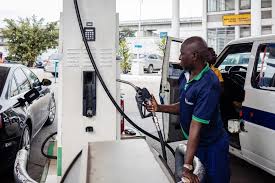
A key part of Nigeria’s reform agenda—the removal of fuel subsidies—has yet to deliver its full financial benefits.
The IMF urged the government to secure the projected savings, estimated at 2 per cent of GDP, to help stabilise the economy and maintain a balanced fiscal approach.
“If subsidy savings do not materialise from mid-2025 and with major tax reforms still pending, spending adjustments will be necessary,” the report warned.
To protect long-term growth, the IMF advised the government to reduce recurrent spending, prioritise high-impact capital projects, and speed up the rollout of cash transfer programmes to support low-income households.
On revenue generation, the Fund acknowledged administrative progress but noted that Nigeria still has one of the world’s lowest tax-to-GDP ratios.
Welcome Ongoing Reforms
It welcomed ongoing reforms to the value-added tax (VAT) and corporate income tax (CIT) systems but cautioned that delaying a VAT rate increase—although understandable due to poverty and food insecurity—could cost state and local governments up to 0.5 per cent of GDP in revenue.
The IMF encouraged the federal government to publish a clear medium-term revenue strategy and fast-track the passage and implementation of tax reforms.
“Boosting revenue collection is critical,” the Fund emphasised, adding that it continues to support Nigeria through technical assistance, including a resident advisor.
As Nigeria navigates economic uncertainty, the IMF’s report highlights the importance of prudent spending, inclusive policy reforms, and stronger fiscal management to build a more resilient economy.

Sunday Michael Ogwu is a Nigerian journalist and editor of Pinnacle Daily. He is known for his work in business and economic reporting. He has held editorial roles in prominent Nigerian media outlets, where he has focused on economic policy, financial markets, and developmental issues affecting Nigeria and Africa more broadly.