

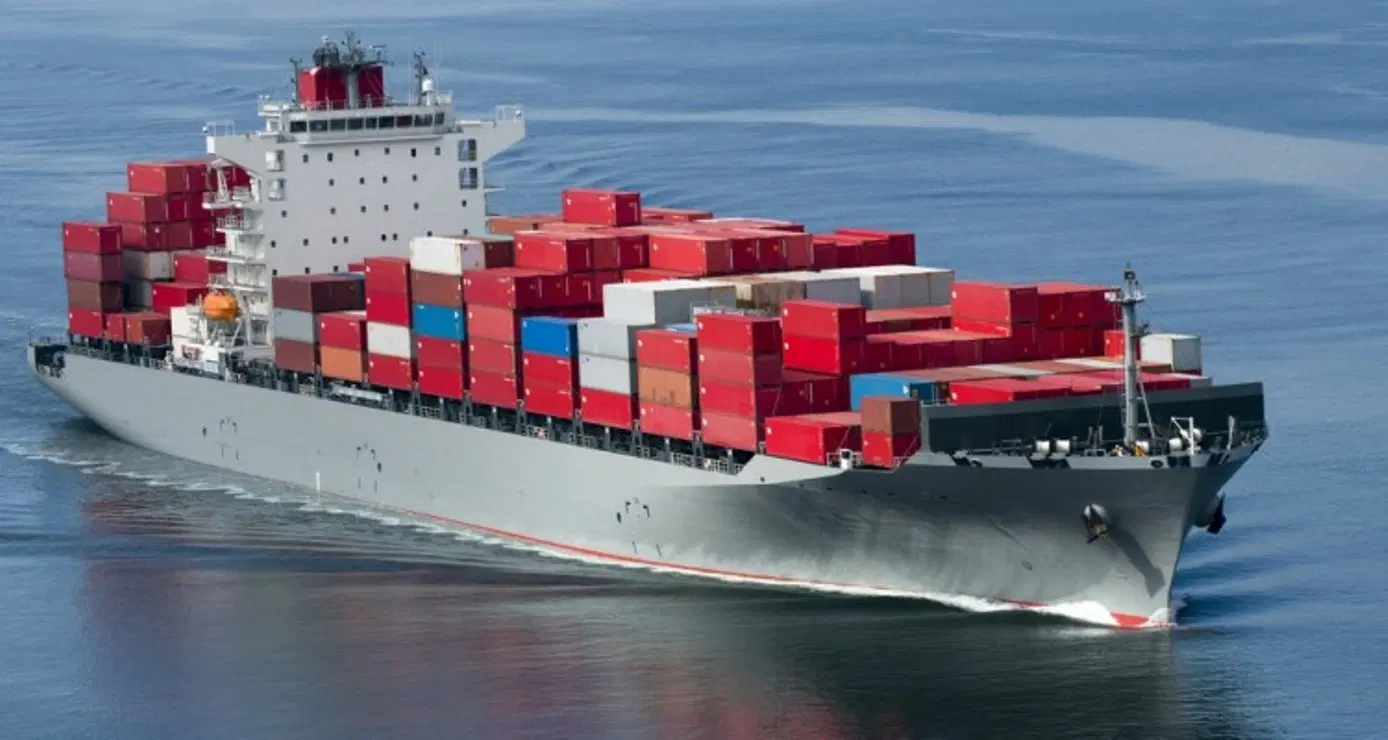
Stakeholders in Nigeria’s maritime sector say the Middle East crisis may disrupt cargo movement into Nigerian ports. They also warn that prolonged conflict could raise shipping costs and worsen inflation across Nigeria and West Africa.
Industry operators say the crisis already affects global shipping routes. Chairman of the Shipping Association of Nigeria, Boma Alabi, said the conflict has begun to increase operational costs for shipping companies.
She explained that insurance premiums and other expenses are rising. Security concerns around the Strait of Hormuz, the Red Sea, and the Suez Canal are driving the increase.
“The crisis has already impacted the shipping industry and will continue to do so,” she said.
She added that vessels now spend more on fuel because some ships take longer routes.
Shipping firms have also introduced War Risk Insurance charges.
Importers Face Higher Charges
Former Vice President of the Association of Nigerian Licensed Customs Agents, Kayode Farinto, said shipping companies may soon introduce additional charges on cargo heading to Nigeria.
He noted that the escalating conflict has already disrupted parts of the global shipping industry. According to him, shipping firms may impose War Risk Insurance charges on cargo bound for Nigeria.
“These charges could reach between $3,000 and $4,000 per container,” he said. He warned that such costs would increase pressure on Nigeria’s import-dependent economy.
Shipping Firms May Prefer Europe
Maritime consultant Daniel Odibe said shipping companies may shift focus to more profitable European routes.
He explained that shipping firms often prioritise routes that offer higher returns.
“Shipping firms will naturally move to higher-paying routes rather than the African market if the war continues,” he said.
Odibe added that shipments from China to Europe could bypass the Middle East corridor.
Some vessels may instead travel through South Africa and the West African coastline.
READ ALSO:
- Crude Oil Nears $80 as Middle East Conflict Escalates
- Nigeria Set to Begin Exporting New Cawthorne Crude in March
- US War on Iran Cost $11.3bn in First 6 Days, Trump Administration Says
- Middle East Tension: FG Begins Evacuation of Nigerians from Iran
Meanwhile, some Nigerian importers say they are reviewing their business strategies due to the uncertainty created by the crisis. They fear prolonged instability could further raise freight costs and disrupt supply chains.

Esther Ososanya is an investigative journalist with Pinnacle Daily, reporting across health, business, environment, metro, Fct and crime. Known for her bold, empathetic storytelling, she uncovers hidden truths, challenges broken systems, and gives voice to overlooked Nigerians. Her work drives national conversations and demands accountability one powerful story at a time.