

By Rafiyat Sadiq
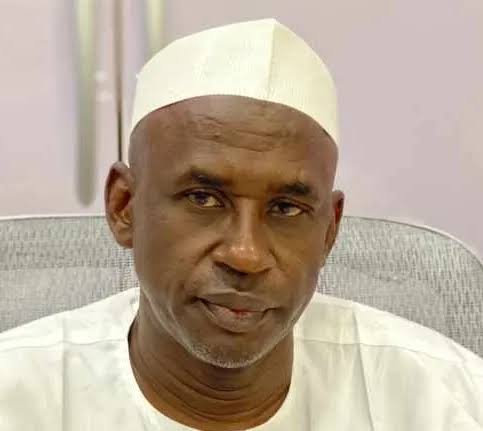
Human rights activist and public affairs analyst Mahdi Shehu has accused influential Nigerians, including politicians, religious leaders, and traditional rulers, of shielding corruption and obstructing justice in the country.
Shehu made the claims during a recent appearance on a current affairs programme aired by the African Independent Television (AIT), where he expressed deep concern about the state of accountability in Nigeria.
“The problem in Nigeria is not the law, not the act, not the constitutional provisions. The problem is in the implementation, in the conception, in the conceptualisation,” he said.
Cases of Shielded Corruption
Citing specific examples, Shehu said corruption in Nigeria is now openly defended by elite groups who use their influence to protect those involved.
In one case, he alleged that a managing director of a bank in northern Nigeria embezzled ₦3 billion belonging to shareholders with the help of close relatives, including his wife, brother, and housemaid. The funds, Shehu said, were used to open businesses such as a salon and restaurant.
READ ALSO: Daudu: Constitutional Amendment Alone Won’t Fix Nigeria’s Governance Issues
“Eventually, that bank collapsed. The money was never recovered. But the man still walks free and is even given national honours. When he writes his name, you see ‘OON’ after it,” he said.
Shehu claimed that two prominent emirs and top Islamic clerics lobbied the then-president, resulting in the withdrawal of the case through a nolle prosequi, a legal action that halts prosecution.
In another example, he referenced a former governor from southern Nigeria accused of looting ₦30 billion from public funds. Shehu said pressure from local leaders and religious groups influenced the decision to abandon the case.
“I had a clip from NTA where the South-South Elders Forum, the South-South Christian Forum, and the Secretary-General of CAN then went to the Villa and met President Obasanjo,” he said.
“They pleaded, saying: ‘The money said to have been stolen was by our son.’ That man appeared in court only once and later became one of the most powerful figures in the Yar’Adua administration.”
Constitutional Limitations
Shehu also criticised the 1999 Constitution, describing it as a document that promises rights it cannot guarantee.
“It tells you you’re entitled to this and that, but at the end of the day, those rights don’t hold in real life,” he said.
While acknowledging the existence of anti-corruption frameworks, including whistleblower policies with rewards up to 2.5%, Shehu maintained that corruption continues to thrive due to the absence of political will and the interference of powerful actors.
“What is the point of making a legal framework on corruption when you see corruption walking with legs, with eyes, with ears, visible like human beings?” he asked.

Rafiyat Sadiq is a political, justice, and human rights reporter with Pinnacle Daily, known for fearless reporting and impactful storytelling. At Pinnacle Daily, she brings clarity and depth to issues shaping governance, democracy, and the protection of citizens’ rights.