

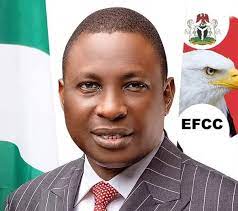
Ola Olukoyede, Executive Chairman of the Economic and Financial Crimes Commission (EFCC), has urged media professionals across Nigeria to intensify efforts to expose corruption, fraud, and misuse of public office.
In his keynote delivered in Warri during the 12th Annual Conference of the Association of Communication Scholars and Professionals of Nigeria (ACSPN), with the theme “Corruption, Governance and Media in Nigeria”, Olukoyede emphasised the critical role of investigative journalism in nation-building.
Reclaiming the Legacy of the Fourth Estate
Represented by Williams Oseghale, Assistant Commander and Head of Public Affairs at the EFCC’s Benin Zonal Directorate, Olukoyede invoked the historic contributions of media giants Nnamdi Azikiwe and Anthony Enahoro, whose journalism catalysed Nigeria’s independence and eventual transition from military rule.
He called on modern media practitioners to recapture that patriotic zeal by holding power accountable and exposing corrupt practices.
READ ALSO: 18 Sitting Governors Under Probe – EFCC
Investigative Journalism: A National Imperative
Olukoyede urged journalists to employ investigative techniques to unveil fraudulent schemes and economic sabotage that syphon public resources.
He reminded the media of its constitutional mandate as the Fourth Estate: to enlighten the public, foster transparency, and bolster governance.
Beyond reportage, he advocated for synergistic cooperation between the media and EFCC through public enlightenment campaigns—highlighting accurate information as key to building trust and mobilising Nigerians against financial crimes.
READ ALSO: CISLAC Hails EFCC’s Breakthrough in Foreign Cybercrime Arrest
Addressing Systemic Corruption
In his remarks, ACSPN President Rotimi Olatunji described the conference theme as timely and relevant, pointing out how corruption erodes governance, economic development, social equity, and institutional trust.
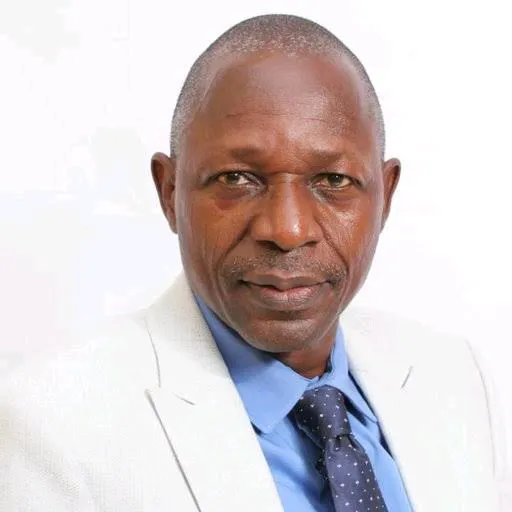
He acknowledged the media’s potential in fostering stability but cautioned that challenges such as ownership biases and resource constraints often limit its effectiveness.
Recently, the EFCC has arrested Umar Ajiya Isa, former CFO of NNPCL, and Jimoh Olasunkanmi, ex-MD of Warri Refinery, over an alleged $7.2 billion fraud. The case involves suspicious disbursements for the rehabilitation of Kaduna, Port Harcourt, and Warri refineries, with allegations of inflated contracts, fund diversion, and abuse of office. The arrests showcase EFCC’s ongoing push against high-level corruption in government-linked agencies.
