

By Esther Ososanya
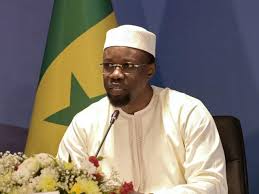
Senegal’s Prime Minister, Ousmane Sonko, has unveiled a bold national recovery plan; it’s believed it could reshape the fiscal future of West Africa.
Unveiled in Dakar before cabinet members, policy experts, and civil society groups, the plan introduces sweeping reforms. It targets corruption in the power sector and imposes fresh taxes on booming industries such as online gaming, tobacco, and digital advertising.
A major focus is the national electricity company, Senelec. Years of unchecked technical fraud and irregular contracts have cost the government tens of billions of FCFA.
To address this, the Prime Minister ordered a full contract review and tighter monitoring of power losses. According to government estimates, these steps could help recover over 90 billion FCFA in lost revenue.
Fresh Taxes on High-Growth Sectors
The government is also introducing new taxes to increase national income. These include levies on online gaming platforms, higher taxes on tobacco and charges on digital advertisements
“These industries have expanded rapidly, but their tax impact hasn’t matched their growth,” Sonko said. He projected these new taxes will generate more than 100 billion FCFA in the first year alone.
Easing Car Import Rules for the Diaspora
In a long-awaited move, the age limit on imported cars will be raised. This policy shift directly addresses calls from the Senegalese diaspora, who have long criticised import restrictions as economically unfair.
Officials say the change will ease financial pressure on expatriates and stimulate local trade. It also signals the government’s intent to better engage its overseas citizens, many of whom contribute to the economy through remittances.
Media, Telecom Sector to Be Standardized
The reforms don’t stop there. Sonko has instructed the Ministry of Communication to introduce standardised fees in the media and telecommunications sectors.
These changes aim to eliminate irregular billing practices and increase transparency in how digital and audiovisual services are charged.
READ ALSO: U.S. Denies Political Motive Behind Visa Cuts for Nigerians
Calling for public cooperation, the prime minister urged all citizens to support the recovery plan. “This is about national survival. We must stop the bleeding and rebuild—together,” he said. “These reforms are rooted in fairness, transparency, and our collective future.”
Observers say the success of the plan will depend on implementation. Sonko, known for his reformist stance, is likely to face both praise and resistance.
However, if successful, the plan could set a powerful precedent across West Africa, balancing growth with accountability and moving Senegal toward lasting fiscal stability.

Esther Ososanya is an investigative journalist with Pinnacle Daily, reporting across health, business, environment, metro, Fct and crime. Known for her bold, empathetic storytelling, she uncovers hidden truths, challenges broken systems, and gives voice to overlooked Nigerians. Her work drives national conversations and demands accountability one powerful story at a time.