

The Nigerian Upstream Petroleum Regulatory Commission (NUPRC) says it is actively consulting with industry stakeholders on a proposed domestic crude oil and gas swap mechanism designed to reduce costs and enhance product availability across the country.
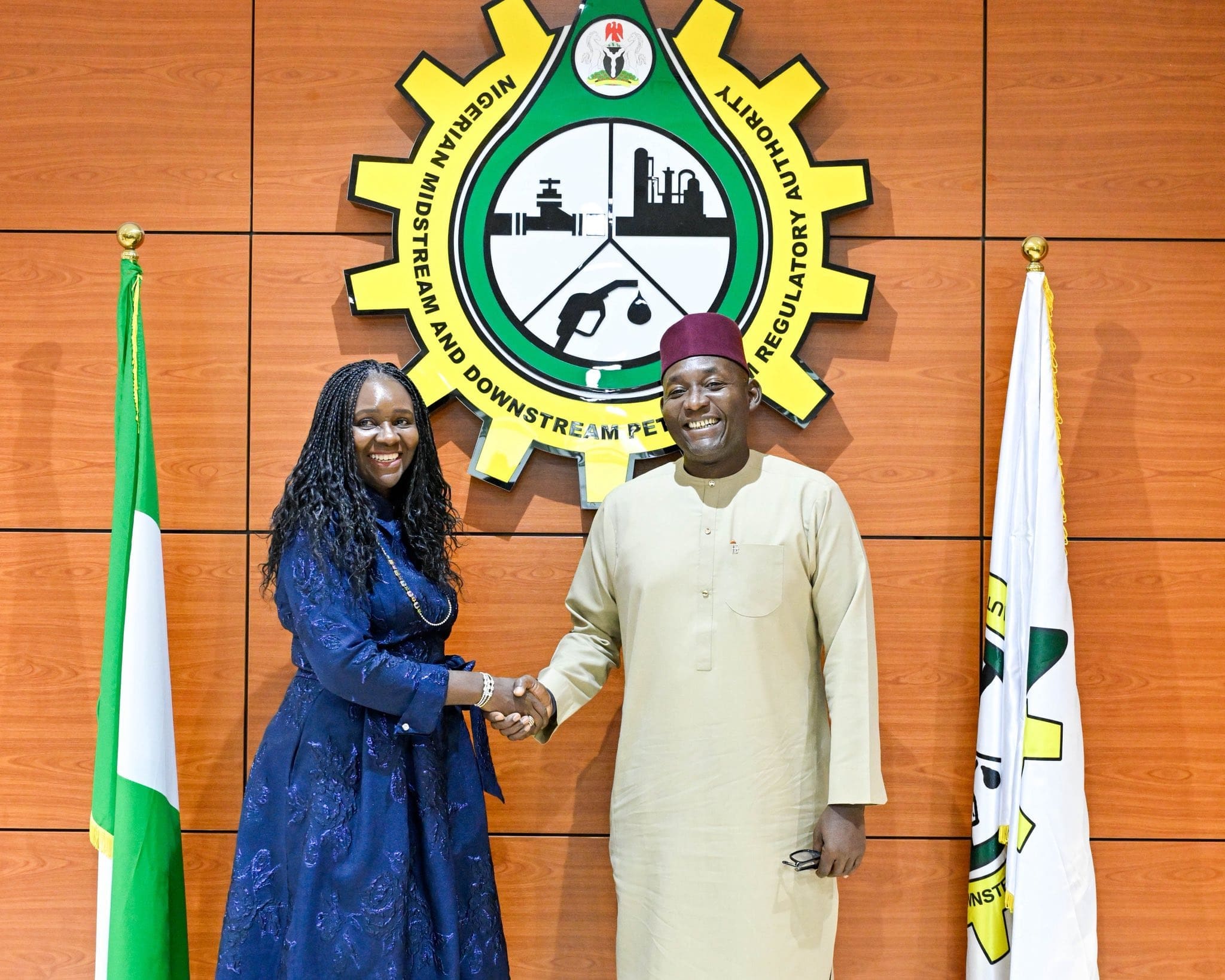
Commission Chief Executive Mrs Oritsemeyiwa Eyesan revealed the initiative on Thursday during a courtesy visit to the Nigerian Midstream and Downstream Regulatory Authority (NMDPRA) in Abuja.
She explained that the swap arrangement would strategically reduce logistical hurdles by allowing companies to fulfil their obligations without transporting resources across long distances.
“How the swap works is that I have an obligation somewhere and I am close to an export facility. Somebody else has an obligation inland, and his own (facility) is close to a domestic offtaker,” Eyesan stated.
“So, instead of trying to move from one end to the other, we just agree on a swap arrangement, and there is a mechanism for them netting off.”
READ ALSO:
- NUPRC Unveils Gas Swap Plan to Close Supply Gap as Delivery Rises to 2.05 Bcf/Day
- Dangote, NNPC Sign Landmark Gas Agreements to Boost Industrial Expansion
- Geregu Power Engages Stakeholders Over ₦40.09bn Bond Default
- FG Settles Over ₦700bn Debt to 1,240 Local Contractors
While noting that discussions regarding crude oil swaps remain at an early stage, Eyesan expressed confidence that once modalities are finalised, the Commission will see improved compliance with the Domestic Crude Supply Obligation (DCSO) and Domestic Gas Supply Obligation.
She added that these efforts would be coordinated alongside the Gas Aggregation Company Nigeria Limited (GACN).
The push for the swap deal comes despite significant recent progress in local supply.
According to the latest NUPRC statistics, domestic crude deliveries to local refiners surged to 53.7 million barrels between April and June, achieving an impressive 97.4% performance rate for Q2 2026. However, persistent crude imports continue to underscore the need for a more efficient distribution system.
Eyesan pledged to deepen collaboration with the NMDPRA to ensure the initiative serves the broader interest of Nigeria’s energy sector.
Responding, NMDPRA Authority Chief Executive Mallam Rabiu Abdullahi Umar congratulated the NUPRC on its seamless and credible 2025 licensing round, while also lauding the Commission’s strengthened enforcement of domestic crude supply obligations.
Umar, however, cautioned that while the Petroleum Industry Act mandates transactions on a willing-buyer, willing-seller basis, pricing remains a critical challenge.
The NMDPRA chief further expressed strong support for the creation of strategic petroleum reserves, describing the move as essential for boosting energy security and ensuring long-term price stability for Nigerian consumers.

Victor Ezeja is a Nigerian journalist skilled in producing insightful news analyses, feature stories, and interviews that simplify complex issues and drive informed public discourse. His work combines rigorous research, balanced reporting, and compelling storytelling to highlight developments shaping industries and society. Victor, who holds a Master's Degree in Mass Communication, specializes in energy, aviation, business, and economic reporting. He can be reached via @VICTOREZEJA on X