

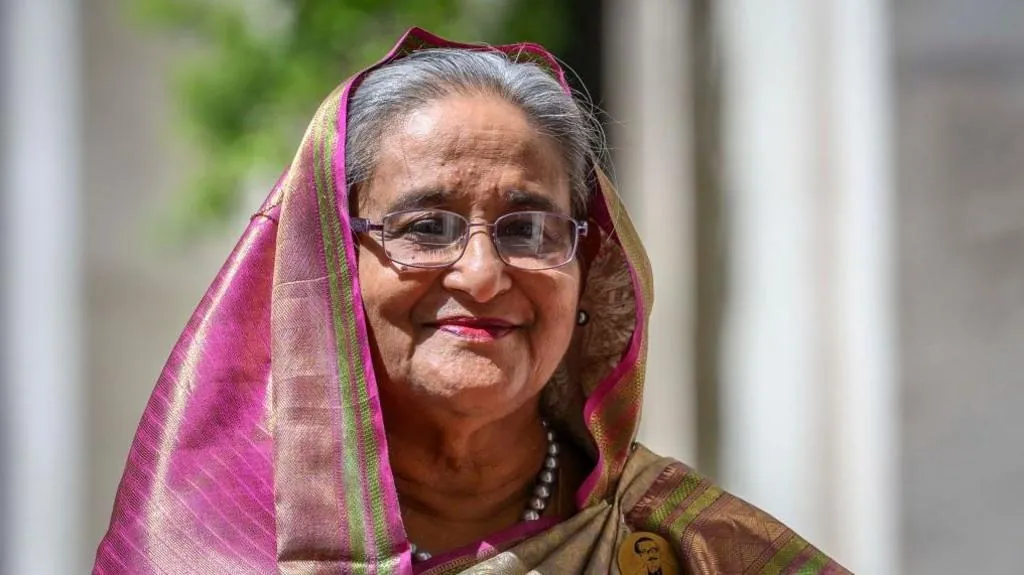
Bangladesh’s former prime minister, Sheikh Hasina, has been sentenced to death after the country’s domestic war crimes tribunal found her guilty of crimes against humanity tied to last year’s deadly crackdown on student protesters that forced her out of office.
Court Delivers Verdict
A three-member panel of the International Crimes Tribunal in Dhaka delivered the judgment on Monday, ruling that Hasina incited and authorised widespread extrajudicial killings allegedly carried out by security forces.
The courtroom erupted in applause from the families of the victims as the sentence was read.
One of the judges said the evidence showed that Hasina “committed crimes against humanity by her incitement, order and failure to take punitive measures,” adding that it was “crystal clear” she had ordered supporters and security units “to kill and eliminate the protesting students.”
Background to the Unrest
The student-led demonstrations began as peaceful protests against civil service job quotas before escalating into a national revolt demanding Hasina’s resignation.
READ ALSO: Tanzanians Mourn As President Samia Takes Oath for Second Term
The UN human rights office estimates that up to 1,400 people were killed and as many as 25,000 injured in the ensuing crackdown.
Hasina faced five charges, including allegations that she incited the killing of protesters, ordered hangings, and authorised the use of drones, helicopters, and lethal weapons to disperse crowds. She has denied all allegations.
Hasina in Exile
Hasina, who governed Bangladesh from 2009 until her ouster in 2024, has lived in self-imposed exile in New Delhi since protesters forced her and the Awami League from power. She was not present in court during Monday’s ruling.
Her lawyers have criticised the proceedings, raising concerns about due process and fair trial standards. Last week, they petitioned the UN Special Rapporteur on extrajudicial, summary or arbitrary executions, alleging serious violations of her legal rights.
Uncertainty Ahead of Elections
Monday’s judgment has stirred fears of further political tension ahead of national elections expected in February. The interim government has formally requested Hasina’s extradition from India, though authorities in New Delhi have yet to respond.

Rafiyat Sadiq is a political, justice, and human rights reporter with Pinnacle Daily, known for fearless reporting and impactful storytelling. At Pinnacle Daily, she brings clarity and depth to issues shaping governance, democracy, and the protection of citizens’ rights.