

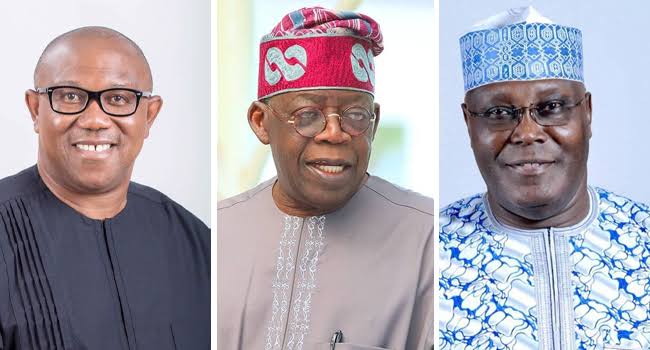
The All Progressives Congress has dismissed the planned alliance of opposition parties ahead of the 2027 general election, saying efforts to unite against President Bola Tinubu will not succeed.
The party also disclosed that some political groups are already making moves to align with the APC ahead of the election.
The development came as the G-100 coalition, which is working to unite opposition parties behind a single presidential candidate, announced the postponement of its proposed Summit of Opposition Political Parties from August 18 to August 31, 2026.
The summit is expected to bring together six opposition parties and members of the Minority Caucus of the House of Representatives as part of efforts to develop a common platform for the 2027 election.
APC Confidential of Tinubu’s Re-election
APC Director of Media and Publicity, Bala Ibrahim, said the ruling party was focused on retaining public confidence and securing the renewal of Tinubu’s mandate under the Renewed Hope Agenda.
He said the APC was prepared for the 2027 contest and would continue its preparations as political developments unfold.
RELATED NEWS:
- 2027: Opposition Unity Face Hurdles Amid Divisions after Ibadan Summit
- APC Did Not Use INEC to Weaken ADC, Opposition: Aliyu Faruk
- Accord Denies Involvement in Opposition Plan for Joint Presidential Candidate
Ibrahim said the party was not worried about attempts by opposition groups to form an alliance against it, arguing that Nigerians were beginning to benefit from the policies of the APC-led government.
He said, “We are not rattled or bothered by the alliance that is planned against us. It’s actually an alliance that is not going to work in the sense that people are beginning to reap from the democratic dividends that have been given to them by the APC.”
He added that the party was confident Nigerians would renew Tinubu’s mandate in 2027.
APC Leaves Door Open to Alliances
Ibrahim also said the APC was open to working with other political parties, stressing that the party had not ruled out any option.
According to him, some groups had already approached the APC over possible alliances and endorsements for Tinubu.
He said, “As a progressive party, we are not ruling any option in, but we are not ruling any option out. Our doors are open.”
Ibrahim added that the APC would welcome parties willing to align with its progressive agenda.
G-100 shifts opposition summit
Meanwhile, the G-100 has moved its opposition summit to August 31 following consultations with the six participating political parties and members of the House of Representatives Minority Caucus.
The group, led by former APC National Vice Chairman, North-East, Salihu Lukman, said the decision was necessary because a National Peace Summit is scheduled for August 18.
Lukman said holding the G-100 summit after the peace summit would provide more time for consultations and preparation among the participating parties.
He said discussions with the opposition parties and members of the Minority Caucus had been “frank, substantive and encouraging.”
The G-100 said the consultations showed a growing willingness among opposition parties to explore areas of cooperation and develop a structured approach ahead of the 2027 election.
The coalition is seeking to reconcile differences among opposition parties and produce a single presidential candidate capable of challenging the APC in 2027.
Lukman said the group would use the additional time before the summit to continue consultations with the participating parties and other stakeholders.
The coalition will also develop proposals and frameworks to be presented at the August 31 summit.
The G-100 said details of the programme and venue would be announced later.
Among the opposition parties involved in the consultations are the African Democratic Congress and other parties seeking a common platform for the 2027 presidential contest.

Rafiyat Sadiq is a political, justice, and human rights reporter with Pinnacle Daily, known for fearless reporting and impactful storytelling. At Pinnacle Daily, she brings clarity and depth to issues shaping governance, democracy, and the protection of citizens’ rights.