

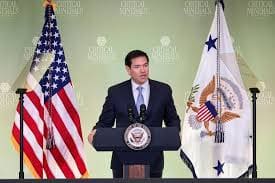
U.S. Vice President JD Vance on Wednesday proposed forming a preferential trade bloc for critical minerals, with coordinated price floors, in a bid to reduce global dependence on China for materials crucial to advanced manufacturing.
This announcement follows President Donald Trump’s launch of Project Vault, a strategic stockpile of critical minerals backed by $10 billion from the U.S. Export-Import Bank and $2 billion in private funding.
China has long controlled the processing of key minerals, at times curbing exports, suppressing prices, and limiting other countries’ ability to diversify sources for materials used in semiconductors, electric vehicles, and advanced weapons.
Vance said the bloc will set reference prices for critical minerals at every stage of production. For members, these reference prices will act as a floor maintained via adjustable tariffs to ensure pricing stability.
Shares of mineral companies fell following the announcement, with MP Materials down 2.8%, Critical Metals down 7.7%, NioCorp Developments down 2.8%, and USA Rare Earth down 6.6%. The proposed trade bloc aims to encourage private investment in mining and processing projects that have struggled to compete with cheaper Chinese supply.
Global Implications
The initiative could reshape supply chains for EVs, semiconductors, and defense systems, though it may raise short-term costs for manufacturers and heighten trade tensions with Beijing.
China’s expanded export controls last year caused production delays for U.S. and European manufacturers. The dependency on Chinese minerals has prompted Washington and its allies to seek alternatives for lithium, nickel, rare earths, and other critical resources.
China’s embassy in Washington said it remains committed to keeping global critical mineral supply chains stable.
READ ALSO:
-
US Confirms Small Military Team Deployed to Nigeria Amid Terror Threats
-
Taxes, Fuel Hike Slow Business Growth in January – NESG Report
-
PENGASSAN Debunks Report on Alleged TotalEnergies Abuse of Nigerian Workers
-
BREAKING: Benue Ex-Gov Suswam Dumps PDP
Countries attending Wednesday’s meeting included South Korea, India, Thailand, Japan, Germany, Australia, and the Democratic Republic of Congo.
Scott Kennedy of the Center for Strategic and International Studies said the move reflects the U.S.’s recognition of the need to act with partners to reduce vulnerability in sectors where China dominates supply.

Esther Ososanya is an investigative journalist with Pinnacle Daily, reporting across health, business, environment, metro, Fct and crime. Known for her bold, empathetic storytelling, she uncovers hidden truths, challenges broken systems, and gives voice to overlooked Nigerians. Her work drives national conversations and demands accountability one powerful story at a time.