

The discrepancies claim is coming barely two weeks before the new tax laws are to take effect on January 1, 2026.
READ ALSO: Naira to Firm at ₦1,350/$ by 2026 on Improved Macroeconomic Condition – Report
He claimed his legislative rights had been breached because the content of the gazetted tax laws did not reflect what the lawmakers debated and approved on the floor of the House.
Concerned Nigerians, including a former Vice President, Atiku Abubakar; the Labour Party’s 2023 presidential candidate, Peter Obi; and civil society organisations, have called for the suspension of the implementation of the laws.
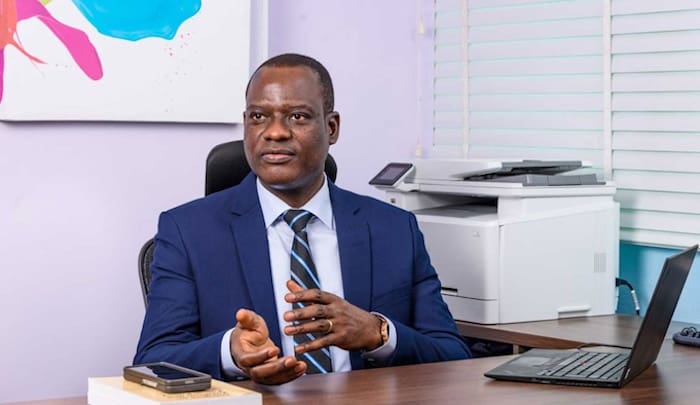
Addressing the claim, Oyedele said, “Before you can say there is a difference between what was gazetted and what was passed, we have what has not been gazetted, and we don’t have what was passed.
“The official harmonised bills certified by the clerk, which the National Assembly sent to the President, we don’t have a copy to compare. Only the lawmakers can say authoritatively what we sent.
“It should be the House of Representatives or Senate version. It should be the harmonised version certified by the clerk. Even me, I cannot say that I have it. I only have what was presented to Mr President to sign.”
READ ALSO: Dangote’s Graft Allegation: Nigerians Demand Full Probe, Prosecution of Ex-NMDPRA CEO Farouk Ahmed
The tax committee chairman hinted that he reached out to the House of Representatives Committee regarding a particular Section 41 (8), which states, “You have to pay a deposit of 20 per cent.”
He noted that the response given by the committee was that its members had not met on the issue.
“I know that particular provision is not in the final gazette, but it was in the draft gazette. Some people decided that they should write the report of the committee before the committee had met, and it had circulated everywhere.
“What is out there in the media did not come from the committee set up by the House of Representatives. I think we should allow them to do the investigation,” Oyedele said.
Pinnacle Daily reports that President Bola Tinubu signed the tax laws, which include the Nigeria Tax Act, the Nigeria Tax Administration Act, the Nigeria Revenue Service (Establishment) Act, and the Joint Revenue Board (Establishment) Act, all operating under a single authority, the Nigeria Revenue Service.
The reforms are designed to simplify tax compliance, expand the tax base, eliminate overlapping taxes, and modernise revenue collection across federal, state, and local governments.

Alex is a business journalist cum data enthusiast with the Pinnacle Daily. He can be reached via ealex@thepinnacleng.com, @ehime_alex on X