

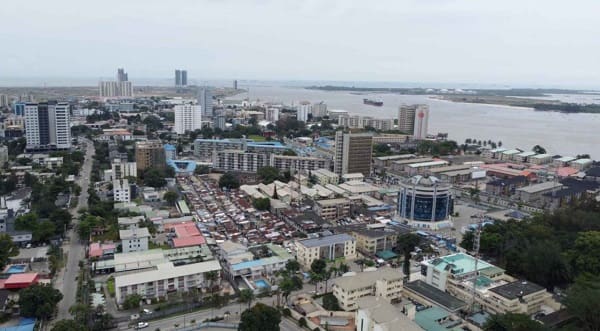
Every December, Lagos transforms into a magnetic cultural phenomenon a city pulsing with rhythm, reunion, and revelry. It is the season when Nigerians from across the diaspora, popularly known as IJGBs (“I Just Got Backs”), return to the city for what has become an annual pilgrimage of fun, nostalgia, and self-expression.
These returnees arrive from London, New York, Toronto, Dubai, Johannesburg, and beyond, each bringing a unique mix of accents, currencies, and fashion-forward energy. For many, this period is more than just a holiday; it is a reconnection with home, a celebration of identity, and a showcase of success.
From the mainland’s creative hubs to the island’s glittering skyline, Lagos becomes their playground. But while the city hums with activity, certain neighbourhoods consistently emerge as hotspots of IJGB life where culture, luxury, and community intersect in unforgettable ways.
In this Report, Pinnacle Daily tells the untold economic and cultural engine powered by IJGBs a thriving underground economy estimated at ₦1.5 trillion.
READ ALSO: Nigeria Eyes Guinness World Record for Longest Dining Table
Beyond the visible glitter of rooftop parties, brunches, and yacht outings, Lagos also houses a hidden economic engine, quietly thriving thanks to the spending and investment of returning Nigerians. According to the Lagos State Ministry of Tourism, Arts, and Culture, December alone generates nearly 40% of the state’s annual hospitality revenue, while simultaneously creating thousands of temporary jobs across events, transport, retail, and the creative industries.
“IJGBs have become a vital part of Lagos’s festive economy,” says Mrs. Toke Benson-Awoyinka, Lagos Commissioner for Tourism. “Their spending drives businesses, creates jobs, and energises our creative industries every year.”

This unique interplay of culture, commerce, and creativity is what makes Lagos the undisputed epicentre of Detty December a season where lifestyle meets hidden economic power, and where the city truly comes alive.
Below are five of the most loved Lagos neighbourhoods that keep IJGBs coming back year after year.
1. Lekki Phase 1 – The Heartbeat of Detty December
Lekki Phase 1 is where Detty December beats its loudest pulse. The district boasts Lagos’s highest concentration of short-let apartments, Airbnbs, and upscale lounges, making it the go-to destination for IJGBs seeking comfort, convenience, and nonstop activity.
During the festive period, short-let prices surge by 60–80%, with luxury units renting for as much as ₦150,000 per night. Its beaches Landmark, Oniru, and Moist attract thousands of visitors daily, while rooftop bars, pool parties, and art pop-ups drive a thriving nightlife economy.
From Uber drivers and private chefs to event decorators and local vendors, Lekki’s December rush creates thousands of short-term jobs, injecting life and capital into the neighbourhood’s economy.
While Lekki Phase 1 is the visible stage of glamour and festivity, the deeper economic and cultural impact is profound. It is here that the intersection of lifestyle, commerce, and creativity exemplifies the true power of Lagos’s diaspora-driven December economy.

2. Victoria Island – The Jewel of Lagos Opulence
Victoria Island (V.I.) remains the epicentre of Lagos luxury, and during December, it transforms into the headquarters of the IJGB elite. According to PwC Nigeria’s 2024 Tourism Insight Report, the district generates an estimated ₦400 billion in hospitality, nightlife, and leisure spending each festive season.
Luxury hotels like Eko Hotel & Suites, Lagos Continental, and The George are fully booked weeks in advance, while yacht parties on the Five Cowries Creek command ₦1–3 million per night. Nightclubs such as Quilox, Sip Lounge, and DNA charge entrance fees and bottle service that rival top venues in London or Dubai.
V.I. attracts elite IJGBs entrepreneurs, young professionals, and celebrities blending luxury, leisure, and influence. Private lounges, waterfront apartments, rooftop brunches, and exclusive events dominate the lifestyle scene, while high-end spending often goes unreported, forming a mini underground economy that fuels local businesses and service providers.
Beyond its glittering nightlife, Victoria Island also doubles as a networking hub. Tech founders, artists, and investors mingle casually over cocktails, merging pleasure with opportunity and making the district a key engine of Lagos’s December economy.
- Economy: Generates ~₦400 billion via hotels, clubs, and yachts. Yacht parties cost ₦1–3 million per night; clubs earn ₦20–50 million per weekend.
- Lifestyle: Private lounges, waterfront apartments, rooftop brunches, and networking events dominate.
- Culture: High-end spending is often invisible, creating a thriving underground economy.
READ ALSO: Why Nigeria’s Economy Is Unshaken By Trump’s Threat: Key Data Insights
3. Ikoyi – Calm, Class, and Exclusivity
For IJGBs who prefer sophistication over spectacle, Ikoyi offers calm, class, and exclusivity. The neighbourhood is home to foreign missions, luxury high-rises, and secluded restaurants that cater to a refined and discerning crowd.
While Lekki and Victoria Island host the city’s parties, Ikoyi plays host to the power players returning professionals, corporate executives, and celebrities seeking privacy and understated elegance. Property rentals surge by 45% during December, with high-end service apartments charging between ₦250,000 and ₦500,000 per night.
“Ikoyi is for people who want Lagos, but with privacy,” says Aisha Balogun, a short-let manager. “Our guests spend on lifestyle experiences golf, fine dining, and art tours not clubs.”
The neighbourhood also contributes significantly to Lagos’s real estate and high-end retail economy, with luxury boutiques and fine dining establishments reporting record sales during the festive season. Leafy streets, prestigious estates, and proximity to Banana Island enhance Ikoyi’s appeal for high-net-worth IJGBs seeking both comfort and discretion.
- Economy: Rentals surge 45%, with luxury apartments charging ₦250,000–₦500,000 per night.
- Lifestyle: Hidden bars, fine dining, and exclusive clubs cater to privacy-seekers.
- Culture: Proximity to Banana Island adds prestige and exclusivity.
4. Ikeja – The Gateway to Lagos Life
While Victoria Island basks in luxury, Ikeja the state capital and home to Murtala Muhammed International Airport captures its fair share of the December boom. For many IJGBs, Ikeja is the first stop on their Lagos journey, offering a blend of convenience, comfort, and lively urban energy.
Malls like Ikeja City Mall, Maryland Mall, and Computer Village experience a surge in spending from both locals and returnees, while hotels such as Radisson Blu Anchorage and Sheraton Lagos report near 100% occupancy from mid-December. Hospitality experts estimate that Ikeja alone contributes over ₦150 billion to Lagos’s December economy, spanning hotel stays, transport, shopping, and nightlife activities.
Affordable yet vibrant, Ikeja attracts IJGBs who prefer to stay closer to family while remaining connected to the festive pulse of the city. Its casual lounges, family-friendly venues, and shopping hubs create a comfortable and accessible environment for first-time returnees or those easing into the Lagos experience.
- Economy: Hotels, malls, and transport services contribute over ₦150 billion in December.
- Lifestyle: Shopping, casual lounges, and family-friendly venues dominate.
- Culture: Balances comfort, accessibility, and Lagos’s festive energy for first-time and returning IJGBs alike.
5. Yaba – Lagos’s Hidden Creative Powerhouse
For IJGBs seeking authenticity over glamour, Yaba represents the raw, artistic heart of Lagos. Known as “Yabacon Valley”, this tech and creative hub has emerged as a major generator of cultural capital, and increasingly, financial capital.
During December, Yaba comes alive with art fairs, thrift pop-ups, live music nights, and tech showcases, attracting both locals and returning diaspora audiences. Venues like Rele Gallery and Cultural Village Hub report sales spikes of up to 50%, fueled by IJGBs eager to reconnect with Lagos’s creative undercurrent.
While Yaba may not match the economic scale of Victoria Island or Lekki, its contribution to Lagos’s cultural economy is immense, forming the heartbeat behind the numbers. IJGBs often invest in local startups, sponsor underground festivals, and mentor young creatives, turning leisure into opportunity.
“Some of the next big Nigerian brands start here,” says Seyi Ogunleye, a local artist. “The money isn’t just for partying; it’s investment disguised as lifestyle.”
- Economy: Art fairs, streetwear pop-ups, and music events surge 50% during December.
- Lifestyle: IJGBs invest in startups, sponsor underground festivals, and mentor creatives.
- Culture: Offers authenticity, innovation, and direct connection with Lagos’s creative spirit.
Yaba is where the soul of Lagos meets the innovation of its youth, offering IJGBs a vibrant, meaningful, and memorable alternative to the high-gloss party scenes elsewhere in the city.

Beyond the Party: How IJGBs Power the Lagos Economy
While Detty December is often portrayed as a season of parties, rooftop events, and high-fashion outings, its economic impact runs far deeper. According to the Lagos State Internal Revenue Service (LIRS), festive-season spending by IJGBs drives significant increases in consumption taxes, hospitality levies, and tourism receipts. The state reportedly earns ₦25–₦30 billion in direct tax revenue each December from hotels, restaurants, and events alone.
Telecoms and ride-hailing services also see remarkable growth. Bolt Nigeria reported a 60% rise in ride requests last December, while MTN Nigeria recorded a 45% spike in data usage, fueled by IJGBs documenting their Lagos adventures on Instagram, TikTok, and other social media platforms.
The ripple effect spreads across the city, from roadside vendors selling grilled fish in Lekki to luxury car rental companies charging ₦200,000 per day for SUVs. Economists now describe this seasonal surge as Lagos’s “Diaspora Dividend” an annual influx of foreign exchange, creativity, and cultural renewal that sustains the city’s tourism-driven economy and shapes its identity.
READ ALSO: How Money Laundering Empires Feed Violence in Nigeria
Much of this December economy escapes formal reporting:
- Private events, mentorship, and creative investments often bypass official tracking.
- Temporary jobs, security personnel, logistics teams, chefs, photographers thrive thanks to IJGB spending.
- Digital engagement, including social media content, fintech transactions, and crypto payments, adds millions more in unseen economic activity.
“Over 60% of December spending by IJGBs bypasses formal tracking,” reveals a short-let manager.
This hidden economy underscores that Detty December is more than spectacle it is a vital engine of Lagos’s culture, commerce, and creativity. For the city, the annual return of IJGBs is not only a cultural celebration, but a financial and social lifeline, invigorating businesses, creating jobs, and energising communities across every corner of Lagos.
Economists now refer to this phenomenon as Lagos’s “Diaspora Dividend”, a seasonal surge of capital, culture, and creative energy that defines the city’s December heartbeat.
Lagos December Economy Snapshot
- IJGB arrivals: 1.2–1.5 million
- Hotel rates (Lekki & V.I.): ₦150,000–₦500,000/night
- Nightclub revenues (V.I.): ₦20–50 million/weekend
- Ride-hailing surge: +60%
- Telecom/data spike: +45%
- Lagos State revenue: ₦25–30 billion
- Underground economy (short-lets, private events, creative investments): ~₦1.5 trillion
The Lagos Spirit Lives On
Ultimately, what keeps IJGBs returning each December isn’t just nostalgia, it’s Lagos itself. A city that never sleeps, never slows, and never forgets how to celebrate life.
From the golden lights of Lekki’s beach clubs to the vibrant chaos of Yaba’s art streets, Detty December is more than a trend, it is a living testament to Lagos’s unique blend of commerce, culture, and connection.
READ ALSO: Drums, Dance, Naira: The Power of Nigerian Festivals
Detty December is not just about music, glamour, or Instagram posts; it is a hidden economic and cultural engine. During this season, Lagos becomes a living ecosystem where lifestyle, innovation, and capital intersect, driving billions into the city’s economy and energising communities across all neighbourhoods.
“You don’t come to Lagos for peace; you come for pulse,” says one IJGB.
For Lagosians and returnees alike, December is the season where money, culture, and identity converge, shaping the city’s character and sustaining its festive economy.

Esther Ososanya is an investigative journalist with Pinnacle Daily, reporting across health, business, environment, metro, Fct and crime. Known for her bold, empathetic storytelling, she uncovers hidden truths, challenges broken systems, and gives voice to overlooked Nigerians. Her work drives national conversations and demands accountability one powerful story at a time.