

Nigeria, often called the Giant of Africa, is a nation of extraordinary cultural diversity. With over 250 ethnic groups, the country’s festivals are vivid windows into its history, traditions, and communal life. From age-old spiritual rites to contemporary cultural extravaganzas, Nigerian festivals celebrate identity, community, and heritage.
Here is an exclusive guide to 31 of some of the country’s most iconic festivals, complete with historical context, rituals, and the experiences they offer.
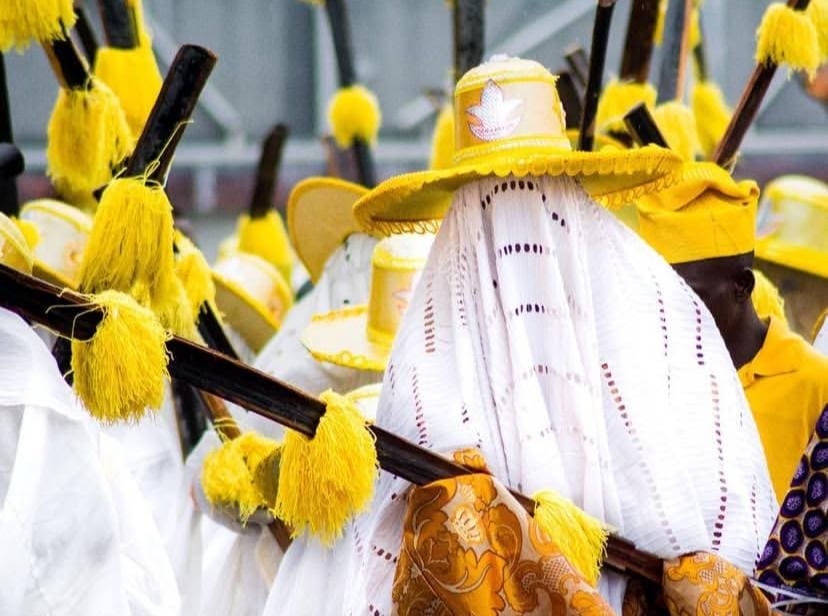
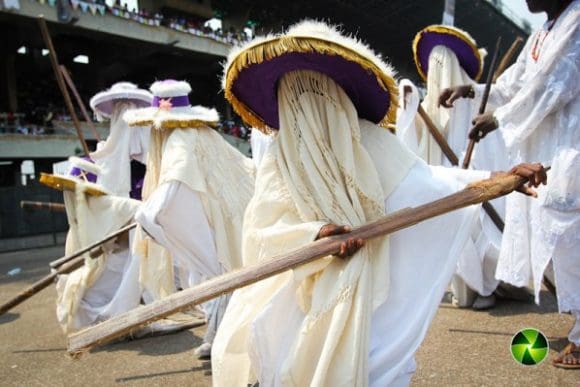
1. Eyo Festival – Lagos (July/August)
Originating in the 19th century, this festival commemorates the passing of an Oba or important Lagos chief. Hundreds of masqueraders dressed in white robes (Agbada) parade through Lagos Island, carrying ceremonial staves (Opambata). Drumming, chanting, and synchronized dances electrify the streets. White symbolizes purity, while the staves represent authority. The festival attracts tourists and boosts hotels, transport, and local crafts.
2. Argungu Fishing Festival – Kebbi (Late February/Early March)
Celebrating peace treaties between local communities, the Argungu Festival is over 80 years old. Fishermen compete in mass net-fishing contests, while spectators enjoy canoe races, cultural dances, and traditional music. The festival emphasizes cooperation, sustainable fishing, and provides local economic opportunities.
READ ALSO: Instant Travel: Five Countries That Grant Visas Within 24 Hours
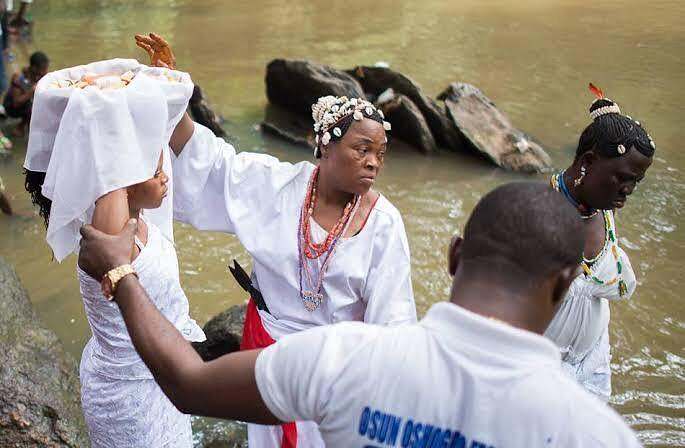
3. Osun-Osogbo Festival – Osun State (August)
A UNESCO-recognized festival honouring Osun, goddess of fertility and prosperity, it features the Arugba, a maiden carrying offerings of yams, honey, and palm wine to the sacred grove. Ritual dances, libations, and prayers follow. Herbal incense, drumming, and colourful fans create a magical atmosphere. The festival also teaches Yoruba spiritual traditions and sacred site conservation.
4. New Yam Festival – Igbo Communities (August–September)
Known as Iri Ji, this festival marks the start of the yam harvest. Masquerades, feasts, dances, and first-fruit offerings honor ancestral spirits. Yams symbolize prosperity and sustenance. Drums and communal celebrations reinforce family unity and agricultural traditions.

5. Durbar Festival – Northern Nigeria (Eid-el-Fitr & Eid-el-Kabir)
A centuries-old festival celebrating Islamic events and northern monarchs. Horse parades, royal processions, flag-bearing, and drumming energize communities. Thunderous music, vibrant fabrics, and ceremonial rites highlight bravery, authority, and unity while boosting cultural tourism.
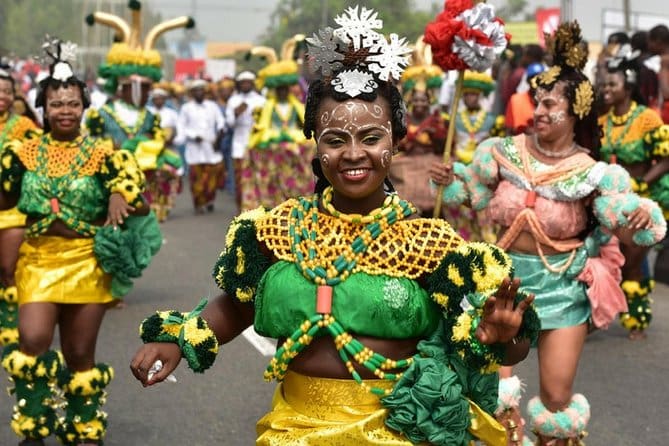
6. Calabar Carnival – Cross River (December)
Africa’s largest street carnival started in 2004 to promote tourism. Features street parades, concerts, pageants, and cultural shows. Afrobeat and highlife music, vibrant costumes, and local foods like suya and roasted corn make it a sensory feast. It demonstrates the fusion of culture, modern entertainment, and economic growth.

7. Ojude Oba Festival – Ogun State (Third Day After Eid-el-Kabir)
Honours the Oba of Ijebu Ode, blending Islamic celebration with traditional homage. Horseback parades, colourful agbadas, and ceremonial dances mark the event. It reinforces respect for authority and Yoruba heritage.
8. Sharo Festival – Fulani Communities (June–July)
A rite of passage for young Fulani men into manhood. The Sharo Festival features flogging contests, music, and dances. It teaches courage, discipline, and social responsibility while celebrating Fulani cultural identity.
9. Gani Festival – Bauchi State (Muharram)
Celebrates the Islamic New Year, blending spirituality and local culture. Horse displays, music, and communal feasts are central. The festival highlights northern traditions and Islamic practices.
READ ALSO: How Money Laundering Empires Feed Violence in Nigeria
10. Sango Festival – Oyo State (August)
Honours Sango, the Yoruba god of thunder, with ritual dances, drumming, and invocations. Thunder symbolizes power and divine justice. The festival highlights Yoruba mythology and spiritual heritage.

11. Ikeji Festival – Imo State (April)
A harvest festival in Arondizuogu celebrating ancestors. Features masquerades, wrestling contests, feasts, and storytelling, reinforcing communal identity and Igbo traditions.
12. Igue Festival – Benin Kingdom, Edo State (December–January)
Celebrates the Oba’s authority and ancestral veneration. Includes royal processions, rituals, and thanksgiving ceremonies, reinforcing Edo cultural identity and traditional governance.
13. Iria Festival – Bonny Island, Rivers State (November)
Celebrates womanhood, fertility, and societal maturity. Masquerades, dances, and feasts educate communities about gender roles and cultural rites.
14. 9999 Festival – Akwa Ibom State (December)
A modern festival blending tradition and entertainment. Music concerts, parades, dance competitions, and culinary exhibitions draw thousands, promoting tourism, local businesses, and cultural pride.
15. Ekele Festival – Delta State (May–June)
Features boat races, river rituals, and communal feasts, highlighting the rich aquatic culture of the region.
16. Nnewi New Yam Festival – Anambra State (August)
Celebrates the yam harvest with masquerades, feasts, dances, and prayers. Yams symbolize sustenance and prosperity.
17. Eyo Ala Festival – Ekiti State (July)
Masquerades, storytelling, and folklore performances connect communities with history and local traditions.

18. Ofala Festival – Anambra State (December–January)
Honours the Igwe (king) with drumming, dancing, and homage ceremonies. Reinforces respect for leadership and communal unity.
19. Ugie Festival – Edo State (December)
Marks the Oba’s coronation anniversary, with rituals, processions, and thanksgiving celebrations.
READ ALSO: Top 10 World’s Longest-serving Leaders Who Turned Power into a Lifetime Trophy
20. Nafia Festival – Adamawa State (May)
Features cattle displays, dances, and community activities, highlighting Fulani and local agricultural traditions.
21. Ikechi Festival – Imo State (April)
Honors ancestors with masquerades, feasts, and rituals, teaching respect for elders and cultural history.
22. Argungu Canoe Regatta – Niger State (February–March)
Competitive boat races, cultural displays, and feasts attract tourists and reinforce riverine traditions.
23. Bori Festival – Kaduna State (June–July)
Indigenous music, dances, and rituals teach community values and spiritual practices.
24. Ikare Akoko Festival – Ondo State (December)
Masquerades, dances, and arts and crafts exhibitions celebrate Ondo cultural heritage.

25. Ofala Igwe Festival – Enugu State (December)
Honors Igwe leadership through drumming, dances, and homage ceremonies.
26. Nomba Festival – Taraba State (October)
A harvest festival featuring wrestling contests, communal feasts, and cultural displays.
27. Eyo Adamu Festival – Lagos (July)
Masquerade displays and street pageantry celebrate Lagos’ history and communal life.
28. Ovia-Osese Festival – Edo State (August)
Initiation rites for young girls, celebrating growth into womanhood.
29. Sharo Ga Festival – Katsina State (June)
A Fulani cultural festival emphasizing courage and endurance in young men through public challenges and dances.
30. Igogo Festival – Owo, Ondo State (September)
Honors the Olowo of Owo with masquerades, drumming, and thanksgiving rituals, blending mythology and tradition.
31. Eyo Akowonjo Festival – Lagos (July)
Community-centered masquerade festival celebrating Lagos Island’s history with dance, music, and colorful attire.
READ ALSO: 774 Local Govt Still in Chains Amid Judgment
| Festival Name & State | Date/Month | Origins & Significance | Rituals & Activities | Cultural Insight | Tourism & Economy |
|---|---|---|---|---|---|
| Eyo Festival – Lagos | July/August | 19th-century Lagos festival to escort deceased Obas or chiefs and inaugurate new Obas. | Masquerade procession (Eyo) in white robes, carrying ceremonial staff (opambata), parades from Idumota to Oba’s palace. | Symbolizes purity, ancestral spirits, and communal continuity. | Major cultural draw, benefits local artisans, costume makers, tourism revenue. |
| Argungu Fishing Festival – Kebbi | Late Feb/Early Mar | Established 1934 for reconciliation between Sokoto Caliphate & Kebbi Kingdom. | Fishermen catch fish using nets or hands, canoe races, diving, music, and dancing. | Promotes unity, riverine culture, and communal resourcefulness. | Attracts international tourists, boosts local commerce and hospitality. |
| Osun-Osogbo Festival – Osun | August | 600+ years old; honours river goddess Osun in exchange for protection of Osogbo. | City cleansing, Arugba procession, rituals at Osun Sacred Grove, singing, dancing. | Blends spirituality, nature worship, and Yoruba cultural heritage. | UNESCO World Heritage site, attracts worshippers and international tourists. |
| Calabar Carnival – Cross River | December | Launched 2004 to promote Cross River tourism; now “Africa’s biggest street party.” | Floats, masquerades, dance troupes, concerts, cultural displays. | Showcases modern and traditional cultural expressions. | Drives hotel occupancy, local crafts, and December commerce. |
| Ojude Oba Festival – Ogun | Third day after Eid-el-Kabir | Celebrates Oba of Ijebu Ode & end of Eid; blends Islamic and Yoruba royal culture. | Horseback procession, regberegbe (family groups) parades, dances, homage-paying. | Shows communal unity, respect for leadership, and Yoruba heritage. | Attracts pilgrims/tourists; boosts local economy through crafts, food, and hospitality. |
| Ikeji Festival – Imo | April | Ancient harvest & thanksgiving festival for Arondizuogu community and ancestors. | Masquerades, wrestling contests, feasts, ancestral rites, dancing. | Emphasizes unity, agricultural heritage, and ancestor veneration. | Diaspora returnees boost local commerce and hospitality. |
| Nwafor Festival – Anambra | First Fri of July (11 days) | Marks end of planting season; community thanksgiving and rest. | Masquerades, youth carnivals, feasts, thanksgiving, ancestral rites. | Strengthens bonds, preserves agrarian traditions, and encourages homecoming. | Boosts local trade, crafts, and hospitality with returning visitors. |
| Igue Festival – Edo | Dec–Jan | Dates to 15th century; royal renewal & thanksgiving in Benin Kingdom. | Oba-led processions, Ewere leaf presentation, masquerades, palace rituals. | Reinforces Oba’s spiritual authority, connects living with ancestors. | Elevates cultural tourism and local crafts. |
| Ofala Festival – Onitsha & Igbo areas | Oct–Dec | Celebrates emergence & renewal of Igwe (king) to bless subjects. | Palace processions, dances, masquerades, homage from age-grade groups. | Bridges tradition & civic life; shows respect for authority & unity. | Promotes heritage tourism, cultural photography & visitor programs. |
| Sango Festival – Oyo | August | Celebrates Yoruba god of thunder & lightning; rooted in mythology & ritual. | Ritual dances, drumming, fire torches, masquerades, spiritual invocations. | Teaches strength, justice, and cultural continuity. | Heritage tourism for scholars and cultural enthusiasts. |
| New Yam Festival – Various Igbo states | August/September | Celebrates the harvest of new yams, thanking gods and ancestors for a bountiful harvest. | Ceremonial yam offerings, feasts, masquerades, dances, prayers to deities. | Reinforces agrarian traditions and Igbo communal identity. | Attracts tourists and diaspora visitors; stimulates local trade and hospitality. |
| Durbar Festival – Kano, Katsina, Kaduna | Eid-el-Kabir & Eid-el-Fitr | Honors Emir and historical cavalry heritage of Northern Nigeria. | Horse parades, sword dances, music, and salutes to Emir. | Symbolizes martial heritage, royalty, and community unity. | Major attraction for heritage tourism; showcases northern crafts and hospitality. |
| Sharo Festival – Borgu, Niger & Kwara | April/May | Annual Fulani festival to test bravery of young men. | Public flogging contests, horsemanship displays, traditional music. | Reinforces courage, masculinity, and cultural rites of passage. | Draws cultural tourists; supports local food vendors and artisans. |
| Gani Festival – Bauchi | January | Islamic cultural celebration to mark Emir’s leadership & community unity. | Horseback displays, Quran recitations, traditional dances, community feasts. | Demonstrates fusion of Islamic and traditional culture. | Cultural tourism and local market stimulation. |
| Egungun Festival – Yoruba states | Annual (varies by town) | Celebrates ancestral spirits; Egungun masquerades embody ancestors. | Masked processions, dances, drumming, and spiritual blessings. | Links community with ancestors; promotes moral codes. | Major attraction for cultural enthusiasts; boosts crafts, costume trade. |
| 9999 Festival – Akwa Ibom | December | Celebrates cultural diversity, heritage, and contemporary arts in Akwa Ibom. | Music concerts, dance competitions, fashion shows, traditional performances. | Showcases unity, creativity, and heritage of Akwa Ibom people. | Draws local & international tourists; promotes arts, entertainment, hospitality. |
| Ndanndun Festival – Edo | September | Harvest and thanksgiving festival by smaller Edo communities. | Offerings to deities, communal feasts, dances, masquerades. | Preserves rural Edo customs and communal solidarity. | Supports local markets and regional tourism. |
| Iri Ji Ohuru – Nsukka, Enugu | August | Marks the new yam harvest and ancestral thanksgiving. | Ritual offerings, cultural dances, masquerade displays, storytelling. | Reinforces agrarian lifestyle and Igbo identity. | Attracts local and diaspora visitors; boosts community commerce. |
| Ebere Festival – Abia | September | Celebrates community harmony and prosperity. | Masquerades, drumming, age-grade competitions, cultural parades. | Promotes unity, social cohesion, and heritage preservation. | Supports crafts, hospitality, and food vendors. |
| Udomi Festival – Cross River | October | Local riverine community festival celebrating fishing and river gods. | Boat races, fishing contests, drumming, dances, prayers. | Strengthens community ties and ancestral respect. | Encourages eco-tourism and local commerce. |
| Sallah Durbar – Northern Nigeria | Eid-el-Fitr/Eid-el-Kabir | Honors Emir and Islamic traditions. | Horse parades, music, prayers, sword dances, homage to Emir. | Reinforces Islamic and cultural heritage. | Significant for tourism, traditional attire, hospitality. |
| Eyo Ajegunle – Lagos | August | Local variant of Eyo festival in Lagos suburbs. | Masked parades, drumming, street dances. | Community identity and ancestral homage. | Promotes local tourism, crafts, street entertainment. |
| Bori Festival – Kaduna | September | Celebrates ancestral spirits and cultural rites. | Ritual dances, drumming, masquerade performances, offerings. | Preserves northern spiritual heritage and communal identity. | Encourages heritage tourism and crafts. |
| Osun Sacred Grove Festival – Osun | August | UNESCO heritage site; river goddess Osun worship. | Rituals at grove, Arugba processions, prayers, music, dances. | Environmental conservation, spiritual connection, Yoruba culture. | Attracts international tourists and spiritual pilgrims. |
| Olokun Festival – Edo | February | Honors Olokun deity of wealth and sea. | Ritual offerings, processions, masquerades, drumming. | Teaches respect for nature, prosperity, and heritage. | Cultural tourism, crafts, and local seafood markets. |
| Igogo Festival – Owo, Ondo | September | Royal festival in honor of Olowo and local deities. | Masked dances, ceremonial drumming, offerings, palace rituals. | Strengthens royal authority and community unity. | Draws cultural tourists and boosts local economy. |
| Osisi Festival – Anambra | June | Celebration of trees and environment; thanksgiving. | Planting ceremonies, dances, masquerades, communal feasts. | Emphasizes environmental awareness and communal solidarity. | Promotes eco-tourism and local trade. |
| Atilogwu Dance Festival – Enugu | December | Celebrates youth talent and cultural dance heritage. | Acrobatics, group dances, music competitions. | Preserves Igbo dance heritage and encourages youth participation. | Supports tourism, local performance arts, and hospitality. |
| Ovia-Osese Festival – Edo | July | Initiation festival for young girls into womanhood. | Cultural dances, ritual observances, parental guidance. | Preserves Edo traditional rites of passage. | Promotes cultural education and local community tourism. |
Nigeria, Africa’s most populous nation, boasts a rich tapestry of cultural festivals that not only celebrate tradition but also drive tourism, business, and local economies. From masquerades and royal processions to harvest thanksgiving and modern street carnivals, these festivals preserve heritage, teach social values, and create lucrative opportunities for communities and entrepreneurs alike.

| Festival | State | Month | Cultural Significance | Rituals & Activities | Tourism & Business Impact |
|---|---|---|---|---|---|
| Calabar Carnival | Cross River | Nov–Dec | Celebrates cultural diversity; Africa’s biggest street party | Parades, masquerades, dance, music competitions, boat regattas | 300,000+ visitors; ₦14.06 billion revenue; hotels, food, transport, streaming, entertainment |
| Ojude Oba | Ogun | 3rd Sunday of Sept | Annual celebration honoring the Awujale of Ijebu land | Horseback processions, traditional dances, fashion displays | ₦10 billion+; boosts local fashion, hospitality, transport, food sales |
| Osun‑Osogbo | Osun | Aug | Sacred festival for fertility and prosperity, honors Osun deity | Sacred river rituals, drumming, masquerades, prayers | Strong tourism inflow; hotels & local vendors benefit; cultural tours grow revenue |
| Eyo Festival | Lagos | July | Celebrates Lagos kingship and ancestral heritage | White-clad masquerades, street processions, royal homage | Attracts local & international tourists; boosts hotels, transport, vendors |
| Argungu Fishing | Kebbi | Feb | Marks the end of the harvest season | Fishing competition, cultural dances, music | Large tourist influx; hospitality, food vendors, equipment rentals thrive |
| New Yam Festival | Enugu & Igbo states | Aug–Sept | Harvest thanksgiving | Ritual offerings, yam tastings, masquerades | Promotes agriculture, local trade, and hospitality |
| Sharo Festival | Kano | April | Fulani rite of passage for young men | Whipping contest, traditional music, dance | Tourism draws visitors; local crafts and food sales spike |
| Durbar Festival | Kano, Katsina, Sokoto | Eid al-Fitr & Eid al-Adha | Commemorates Islamic history, royal pageantry | Horse parades, drumming, community feasts | Boosts hotel bookings, transport, and entertainment industries |
| Sango Festival | Oyo | Aug | Honors Sango, god of thunder | Drumming, dancing, ritual offerings | Small but growing tourism; local cultural businesses benefit |
| Gani Festival | Bauchi | Feb | Marks religious & cultural celebration | Horse parades, music, food | Local tourism; hospitality & craft sectors benefit |
| Ikeji Festival | Arondizuogu, Imo | April | Thanksgiving to ancestors | Traditional dances, masquerades, feasts | Local business growth; tourism and accommodation benefit |
| Fufu Festival | Cross River | Aug | Celebrates staple food production | Food competitions, cultural dances | Boosts local agriculture, tourism, and food sales |
| Idanre Hill Festival | Ondo | Jan | Honors historical site & culture | Climbs, rituals, dances | Moderate tourism; local craft and hospitality revenue |
| Atilogwu Dance Festival | Enugu | Dec | Celebrates youth & cultural heritage | Atilogwu dance competitions, masquerades | Attracts cultural tourists; boosts event organizers, local crafts |
| Agbara Festival | Ondo | Oct | Annual community festivity | Drumming, dances, food feasts | Tourism, local trade, hospitality benefit |
| Igue Festival | Benin, Edo | Dec–Jan | Royal festival honoring Oba of Benin | Rituals, royal processions, masquerades | Boosts hospitality, transport, local vendors |
| Ofala Festival | Anambra, Delta | Nov | Oba’s anniversary celebration | Royal homage, dancing, music | Tourism, cultural vendors, hospitality see growth |
| Fespaco‑Inspired Local Festivals | Multiple | Various | Promotes African arts & films | Screenings, workshops, competitions | Supports media, entertainment, hospitality sectors |
| Nnewi Cultural Carnival | Anambra | Dec | Celebrates commerce & culture | Parades, dances, masquerades | Promotes trade, tourism, small businesses |
| Mmanwu Festival | Enugu | Dec | Masquerade festival honoring ancestors | Ritual dances, masquerade displays | Cultural tourism; local crafts & hospitality |
| 9999 Festival | Akwa Ibom | Sept | Celebration of community & harvest | Dance, music, feasts, and communal rituals | Stimulates tourism; food vendors, transport, and accommodation benefit |
| Shendam Cultural Festival | Plateau | Aug | Showcases local ethnic traditions | Dances, rituals, music | Tourism growth; local vendors, hotels benefit |
| Argungu Cultural Arts | Kebbi | Feb | Highlights local arts & culture | Competitions, music, crafts | Local businesses, crafts, and hospitality benefit |
| Erekiti Festival | Ekiti | Dec | Local ancestral celebration | Masquerades, music | Small tourism impact; supports local vendors |
| Igbo-Ukwu Festival | Anambra | Nov | Historical & cultural celebration | Masquerades, dances | Tourism, local crafts & hotels benefit |
| Lagos Street Carnival | Lagos | Dec | Modern cultural street festival | Dance, music, entertainment | Boosts retail, transport, hospitality, media sponsorship |
| Ugep Festival | Cross River | Oct | Religious & cultural celebration | Dance, music, feasts | Tourism, local food vendors, accommodation benefit |
| Awka Arts Festival | Anambra | Nov | Celebrates arts & craftsmanship | Art exhibitions, music, craft sales | Boosts local craft sales, hospitality, and media coverage |
| Ibom Heritage Festival | Akwa Ibom | Dec | Cultural heritage celebration | Music, dance, crafts, feasts | Tourism, hospitality, retail benefit |
| Benue Yam Festival | Benue | Aug | Harvest festival for yams | Rituals, dances, community feasts | Promotes agriculture, tourism, and local trade |
| Sokoto Durbar (Additional Note) | Sokoto | Eid | Honors Emir & Islamic heritage | Horse parades, music | Hospitality, transport, cultural vendors benefit |
| Kano Summer Festival | Kano | July | Traditional & Islamic heritage | Dances, parades | Local tourism, food, and crafts see increased revenue |
Festivals are no longer just cultural, they are economic powerhouses. Hotels, restaurants, transport operators, event organizers, media, and local vendors see spikes in revenue. Digital platforms and streaming amplify income potential, while sponsorships and branding opportunities attract private investors. For states, festivals generate direct income, boost tourism, and stimulate the local economy.
The Business Behind Nigeria’s Festivals: How Culture Drives the Economy
Nigeria’s cultural festivals are far more than celebrations they are economic powerhouses, platforms for social cohesion, and living classrooms of history and heritage. Each year, these festivals attract millions of locals and tourists, creating jobs, boosting state revenue, and supporting small businesses across hospitality, transport, entertainment, and creative industries.
The Calabar Carnival, held annually from November to December, drew over 300,000 visitors in 2024 alone. Tourists spent approximately ₦8.875 billion on transportation, ₦2.79 billion on hotel bookings, and ₦900 million on food and beverages. Meanwhile, the wider “Detty December” festivities in Lagos generated around ₦111.5 billion (~US$71.6 million) in tourism and entertainment revenue. Across Nigeria, the culture and tourism sector contributes nearly 4% of the national GDP, with festivals accounting for an increasingly significant share. States like Taraba are even targeting ₦3 billion annually from tourism as festival infrastructure and programs expand.
In March 2025, the federal government launched AGLOFEST (African Global Festival Nigeria), aimed at showcasing Nigeria’s cultural wealth while driving economic diversification. The initiative is projected to attract $20 billion in investment over five years, create jobs for the youth, and stimulate growth in the creative economy. According to the festival convener, Dr. Mac Babatunde, AGLOFEST is designed to go beyond cultural showcases, serving as a platform for business opportunities and diaspora investment in Nigeria’s creative sector.
A Celebration of Heritage and Community
Nigeria hosts 31 major cultural festivals, each reflecting the nation’s rich diversity. From masquerades and royal processions to harvest thanksgiving and vibrant street carnivals, these festivals weave together spirituality, artistry, history, and community life. They preserve traditions, educate new generations, and strengthen national unity.
“Attending Nigerian festivals is like traveling through time, connecting with ancestors, and experiencing the vibrant soul of our nation,” says a cultural historian. Every drumbeat, dance step, and colorful costume brings Nigeria’s heritage to life, inviting participation from locals and tourists alike.
Beyond cultural preservation, festivals are economic engines. Vendors, hotels, transport services, event organizers, and media platforms all benefit from the influx of visitors. They provide avenues for local entrepreneurs to thrive, stimulate micro and macro-business opportunities, and inject significant revenue into state coffers. Festivals like Calabar Carnival and Eyo Festival in Lagos also put Nigerian cities on the global tourism map, encouraging repeat visits and international exposure.
READ ALSO:Badagry’s ‘Door of Return’: a Homecoming Set to Transform Heritage, Tourism, Diaspora Ties
More than entertainment, these festivals are living classrooms. They teach social values, preserve history, and foster unity. From the serene Osun Sacred Grove to the bustling streets of Lagos during Eyo Festival, each festival tells a unique story and creates shared memories. Participants experience Nigeria’s cultural soul firsthand through music, dance, rituals, and communal celebrations.
For travelers, locals, and culture enthusiasts, Nigerian festivals are not merely events they are immersive journeys into the nation’s identity, inviting everyone to witness, celebrate, and invest in the timeless heritage of Africa’s most populous country.

In Nigeria, culture and commerce are intertwined. Festivals preserve tradition, create jobs, support local businesses, attract tourists, and generate revenue for states all while celebrating the nation’s history, artistry, and community spirit. They are a testament to Nigeria’s vibrancy, a call to explore its heritage, and proof that culture is not just lived it is shared, celebrated, and passed on to future generations.

Esther Ososanya is an investigative journalist with Pinnacle Daily, reporting across health, business, environment, metro, Fct and crime. Known for her bold, empathetic storytelling, she uncovers hidden truths, challenges broken systems, and gives voice to overlooked Nigerians. Her work drives national conversations and demands accountability one powerful story at a time.