

When Nigeria returned to democratic rule in 1999, ushering in the Fourth Republic, the average citizen earned far less than today but could afford much more with those earnings.
At the time, the gross domestic product (GDP) per capita was estimated at $450, the naira exchanged at around ₦92 to the dollar, petrol sold for about ₦20 per litre, a 50kg bag of rice cost roughly ₦3,000, and cement sold for about ₦550 per bag.
Twenty-six years later, the numbers tell a different story, as GDP per capita in naira terms has surged from about ₦41,400 in 1999 to more than ₦1.5 million in 2025.
However, for many Nigerians, daily life feels harder rather than easier.
A review of data curated from official sources by Pinnacle Daily revealed that while incomes have risen on paper, the purchasing power of Nigerians has weakened significantly.
As Nigeria marks another Democracy Day, this June 12, 2026, the country’s economic story is not merely one of rising incomes; it is a story of what those incomes can actually buy.
Promise of Democracy
The early years of the Fourth Republic brought optimism. Under President Olusegun Obasanjo’s administration, from 1999 to 2007, Nigeria emerged from military rule and entered a period of economic reforms and relative macroeconomic stability.
At the time, one dollar cost less than ₦100. The petrol price was among the cheapest in Africa, and staple goods remained relatively affordable compared to average incomes.
Although incomes were low by global standards, the cost of necessities was also considerably lower.
Oil Boom and Rising Prosperity
Between 2000 and 2014, Nigeria experienced one of the strongest periods of economic expansion in its modern history.
Driven by high oil prices, rapid growth in telecommunications, banking expansion, and broader economic activity, GDP per capita climbed steadily, reaching about $3,200 in 2014.
On the surface, Nigerians had never appeared wealthier. The exchange rate remained relatively stable at around ₦165 to the dollar. Petrol sold for about ₦97 per litre, rice cost between ₦8,000 and ₦9,000 per 50 kg bag, while cement traded around ₦1,800 per bag.
The numbers suggested prosperity, but beneath the headline growth, prices were rising steadily, gradually eroding household purchasing power.
When the Tide Turned
The turning point came after 2014, when the collapse in global oil prices, foreign exchange shortages, and the 2016 recession placed increasing pressure on the economy.
By 2019, GDP per capita had fallen to about $2,200 while the exchange rate weakened to around ₦360 per dollar.
Petrol prices climbed to about ₦145 per litre, rice rose to between ₦15,000 and ₦18,000 per bag, while cement sold for about ₦2,600.
The average Nigerian’s income stopped growing in meaningful terms as inflation became a permanent feature of daily life, as the country sank into an era in which the value of money mattered more than the amount of money earned.
The Inflation Era
The years between 2020 and 2023 brought a fresh wave of economic pressures. COVID-19 disrupted economic activity, global supply chains came under strain, the naira faced repeated devaluations, and inflation accelerated.
By 2023, GDP per capita had fallen further to between $1,700 and $2,000, and the naira weakened to between ₦750 and ₦900 per dollar.
Petrol prices jumped to about ₦617 per litre, rice prices climbed to between ₦45,000 and ₦60,000 per bag, while cement prices rose to between ₦4,500 and ₦6,000.
Although Nigerians were earning more naira than ever before, those naira were buying less food, less fuel, and fewer building materials.
The Great Repricing
The most dramatic shift occurred after 2023, when the removal of fuel subsidies, foreign exchange market liberalisation, and sharp currency depreciation fundamentally altered the economy’s cost structure.
READ ALSO:
- Senate Passes Bills to Boost Food Security
- Nigerians Mark 2026 Eid Celebration amid Food Price Surge
- Obi Emerges NDC Sole Presidential Aspirant as Kwankwaso Expresses Confidence in Getting VP Slot
- Nigeria’s GDP Growth Slips to 3.89% in Q1 2026
- Nigeria’s Inflation Rises to 15.69% in April As Energy Shocks Persist
By 2025, GDP per capita had fallen to roughly $1,000, while the exchange rate crossed ₦1,500 per dollar.
Petrol prices surged above ₦1,000 per litre, a 50kg bag of rice sold for around ₦90,000, while cement prices reached approximately ₦10,500 per bag.
For many households, wealth increasingly became measured not by salary figures but by how much fuel could be bought, how many bags of rice could be purchased, or whether building a home remained affordable.
The Real Test: What Income Could Buy
Pinnacle Daily analysis shows that the strongest evidence of declining prosperity emerges when income is compared with the prices of essential goods.
In 1999, the average income could buy about 13 bags of rice annually. By 2014, during the peak of Nigeria’s oil-fuelled prosperity, affordability had risen by about 61 bags.
However, by 2024, despite incomes measured in naira being dramatically higher, affordability had fallen to roughly 17 bags.
The same pattern appears in fuel consumption. An average Nigerian’s annual income could buy about 2,000 litres of petrol in 1999. At the 2014 peak, affordability climbed to more than 5,300 litres.
By 2024, it had dropped to about 1,500 litres. In other words, incomes increased, but the purchasing power behind those incomes deteriorated.
The Naira Mirage
Perhaps the clearest illustration of the problem is the contrast between dollar income and naira income. GDP per capita rose from roughly ₦41,400 in 1999 to more than ₦1.5 million in 2025.
On paper, that appears to be extraordinary progress. However, during the same period, the exchange rate moved from ₦92 per dollar to about ₦1,550 per dollar.
As the naira weakened, the prices of fuel, rice, and cement rose sharply, offsetting much of the apparent income growth.
The result is that citizens appear richer when measured in naira, but poorer when measured by what their earnings can actually buy.
Democracy’s Economic Verdict
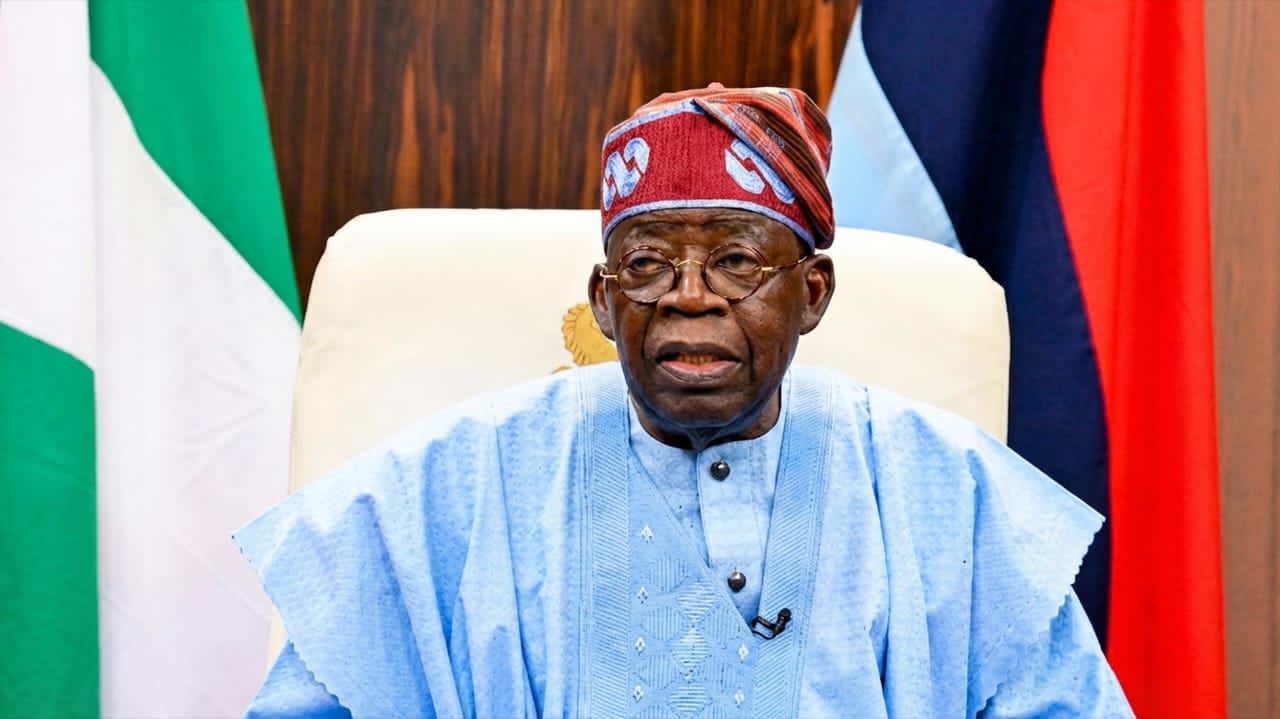
As Nigeria marks its 27 years of unbroken democracy, the federal government says it remains committed to strengthening democracy, promoting national unity, and addressing the country’s challenges under President Bola Tinubu’s leadership.
In a statement on June 5, Minister of Information and National Orientation, Mohammed Idris, said, “As we celebrate Democracy Day, let us renew our commitment to unity, peaceful coexistence, and responsible citizenship. Nigeria’s strength lies in our diversity, and our future depends on our ability to work together in the interest of our nation.”
At a Democracy Day press briefing in Abuja on Tuesday, June 9, the government also defended Tinubu’s economic and social reforms, insisting that the country is on the path to recovery despite economic hardship and security concerns.
Secretary to the Government of the Federation, George Akume, said economic indicators point to improving fortunes under the Renewed Hope Agenda, noting that real GDP grew by 4.07 per cent in the fourth quarter of 2025 and 3.89 per cent in the first quarter of 2026.
“Government will never claim that every challenge has been solved,” he said. “Inflation has been painful, though it is on a downward trend. Insecurity still threatens lives and livelihoods, but evidence shows that the country is moving in the right direction.”
In a policy statement on Thursday, the Centre for the Promotion of Private Enterprise (CPPE) raised quite a number of concerns.
It pointed out that Nigeria’s manufacturing sector has remained largely stagnant over the past 26 years because of persistent structural challenges, including unreliable electricity supply, poor transport and logistics infrastructure, high borrowing costs, policy inconsistency, smuggling, and weak enforcement of industrial policies.
The economic think tank group further expressed concern over the collapse of key manufacturing subsectors, growing dependence on imports, and the declining role of indigenous manufacturers, warning that these challenges have prevented the sector from becoming a major driver of economic growth, job creation, and industrial transformation despite some successes in cement production, food processing, and refining.
While the challenges linger, the lesson from the data is that prosperity cannot be measured solely by higher incomes or larger economic output.
For most households, the true measure of economic progress is purchasing power. And by that standard, many Nigerians today are richer on paper but poorer in reality.

Alex is a business journalist cum data enthusiast with the Pinnacle Daily. He can be reached via ealex@thepinnacleng.com, @ehime_alex on X