

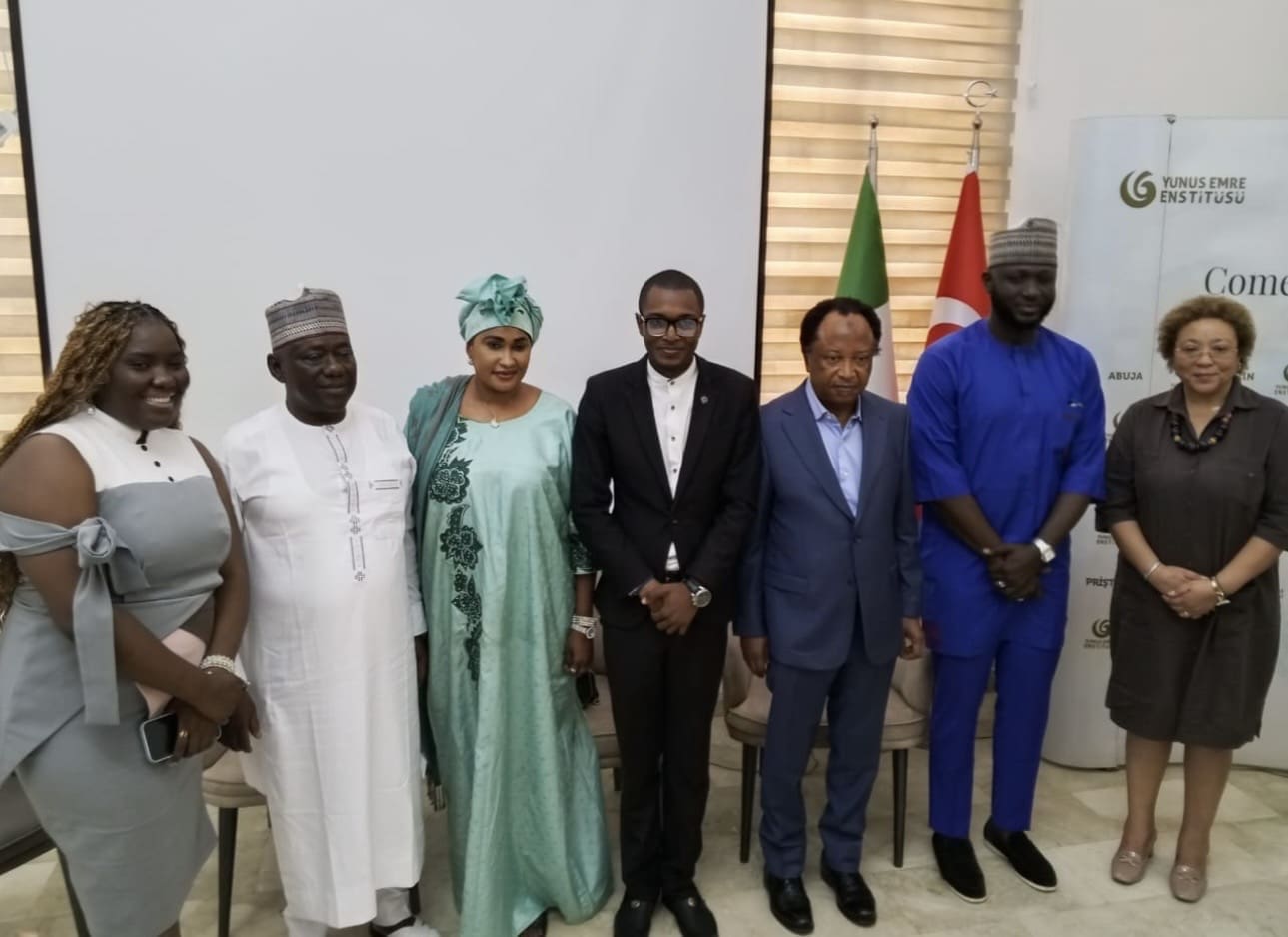
A powerful blend of reflection, cultural critique, and diplomatic praise set the tone at the 4th Northern Film Summit and Turkish–Nigeria Film Screening Festival held in Abuja, where former Kaduna Central Senator, Shehu Sani, delivered a striking defense of cinema as both education and social mirror.
Sani challenged long-held assumptions about where meaningful filmmaking originates, stressing that creativity and storytelling are not confined to any single location.
“You have to be in Lagos, live in Lagos, shoot movies in Lagos before you articulate seriously,” he said.
But quickly grounding his point in personal experience, he added that his upbringing in Kaduna exposed him to both local and foreign films that shaped his worldview.
According to him, cinema goes far beyond entertainment, functioning as history, motivation, and life instruction rolled into storytelling.
“Movies are more than just clips and shoots, but sometimes history, sometimes inspiration, sometimes motivation,” he said.
He described film as a lived experience that shapes human behaviour, arguing that every story carries lessons that can influence decisions, prevent mistakes, or even avert tragedy.
For Sani, films are structured reflections of human journeys, often beginning with struggle and ending in the triumph of good over evil.
“That is what tells the story of our journey as a people,” he noted, adding that even short films can leave a lasting psychological impact.
In a lighter moment, he reflected humorously on emotional expression between men and women, joking about perceived differences in how emotions are displayed, a remark that drew attention to acting, perception, and human behavior in everyday life.
He went further to position women as central to storytelling and drama, arguing that lived human emotion is what fuels cinematic authenticity.
Sani also emphasized the personal value he draws from film as a public figure, noting that while political events often recycle similar narratives, movies leave deeper psychological impressions that influence thought and action.

He referenced global classics such as Coming to America, saying films often remain embedded in memory and resurface when people face real-life decisions or crises.
Turning to Nigeria’s security challenges, including banditry and terrorism, he stressed the need for film to play a more active role in shaping public awareness and resilience.
He also commended Türkiye for its consistent diplomatic relationship with Nigeria, describing it as one built on dignity and mutual respect even during difficult national moments.
“They never leave us in our bad days, in our good days, in our worst days,” he said, adding that Türkiye has never criminalised Nigerians or treated them with contempt despite global criticism of the country.
He urged Northern creatives to expand storytelling beyond Lagos-centric narratives, insisting that the North is rich with untold stories of poverty, insecurity, women, and youth struggles.
“There are more stories to tell up north here than any other part of the country,” he said.
He further called for films that address social realities, including the negative impact of social media on children, community resilience, and youth empowerment against insecurity.
On funding, Dr. Dahiru Bala, former Regional Manager at the Bank of Industry, said financing remains a critical pillar for the growth of the creative industry, noting that it also serves as a major revenue-generating sector.
He explained that funding opportunities already exist across financial institutions, including commercial banks and dedicated creative funds, but stressed that industry players must actively access them.
According to him, the creative industry contributes significantly to GDP globally and holds strong potential in Nigeria, especially in job creation and economic expansion.
He also called for government-backed concessionary loans, particularly single-digit interest financing, to strengthen the sector and improve production quality.
The Director of YETKM and the Turkish Cultural Centre in Abuja, Fatih Mahdum, highlighted ongoing cultural cooperation between both countries, noting that such partnerships continue to deepen creative exchange and mutual understanding.
READ ALSO:
National President of the Actors Guild of Nigeria, Alhaji Abubakar Yakubu, also called for stronger collaboration and structured support to strengthen the creative sector.
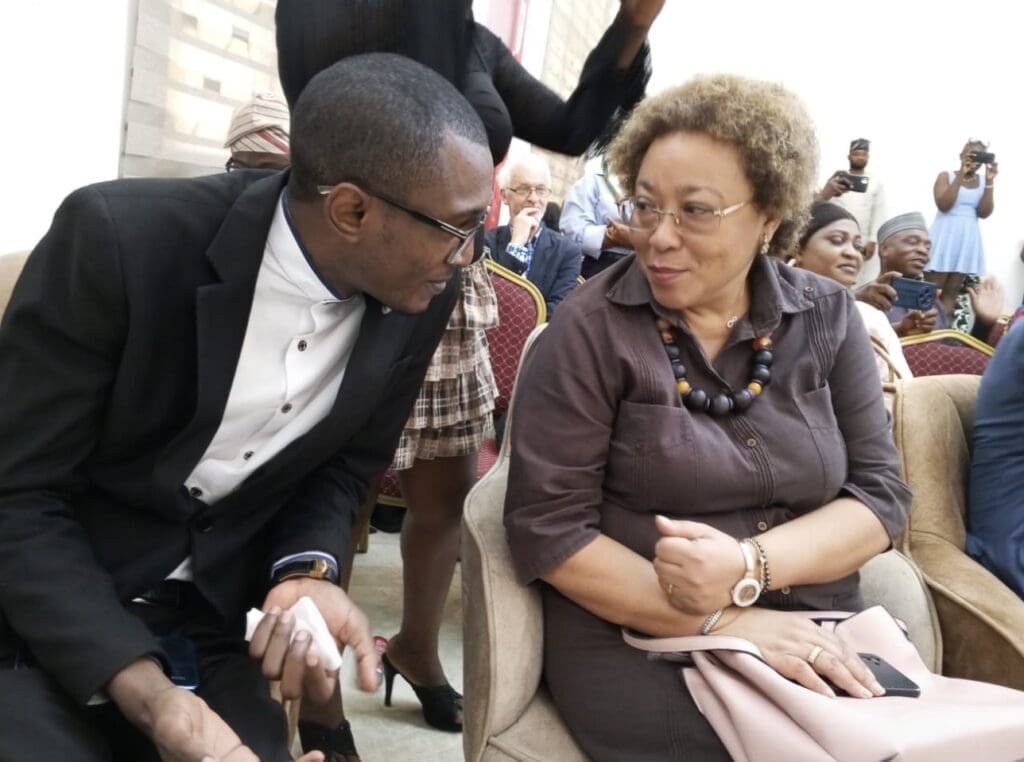
In his welcome address, Director General of the Kaduna International Film Festival, Israel Kashim Audu, described cinema as a powerful tool for cultural diplomacy and global connection.
He said the summit, themed “Bridging Cultures Through Cinema, A Northern Nigeria–Turkish Creative Exchange and Cinematic Collaboration,” reflects a shared commitment between Nigeria and Türkiye to strengthen cultural ties through storytelling, innovation, and creative partnerships.
Audu emphasised that cinema transcends language and geography, noting that stories produced in Northern Nigeria can resonate globally, just as Turkish productions continue to find audiences across Africa.
He highlighted the potential of the partnership to drive youth empowerment, tourism, economic growth, and international collaboration within the creative sector.
The summit brought together filmmakers, diplomats, government officials, and industry stakeholders seeking to reposition Northern Nigeria as a competitive hub within Africa’s expanding creative economy.

Esther Ososanya is an investigative journalist with Pinnacle Daily, reporting across health, business, environment, metro, Fct and crime. Known for her bold, empathetic storytelling, she uncovers hidden truths, challenges broken systems, and gives voice to overlooked Nigerians. Her work drives national conversations and demands accountability one powerful story at a time.