

By Rafiyat Sadiq
Youths across Plateau State have raised alarm over the rising wave of deadly attacks in several communities, demanding urgent government intervention and justice for victims.
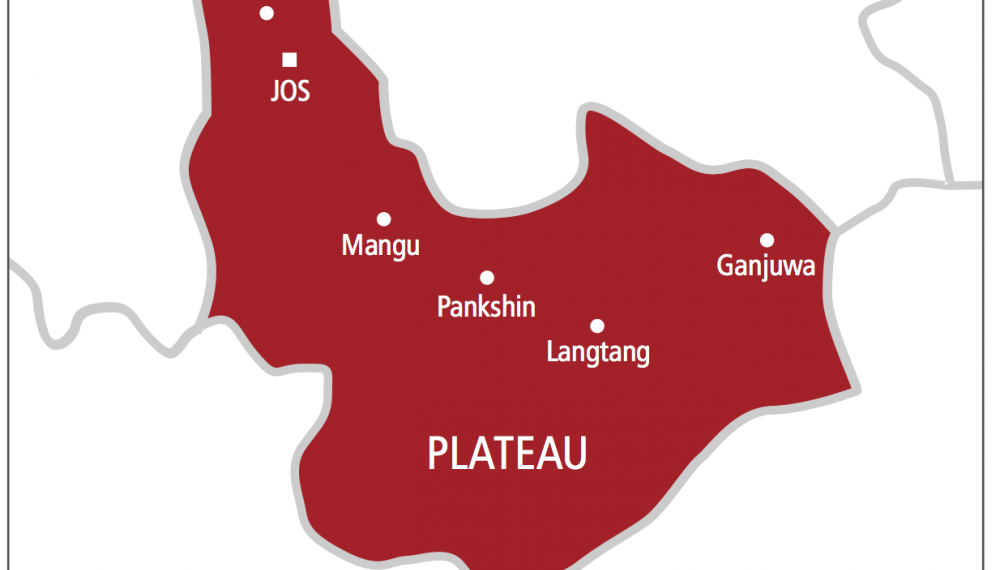
In the past three months, over 300 people have died in coordinated assaults across Riyom, Bokkos, and Mangu local government areas. More than 50,000 residents have fled their homes, and properties worth billions of naira lie in ruins.
Local sources have blamed most of the attacks on suspected Fulani militias, who reportedly invade villages, kill residents, and burn homes.
Speaking with journalists over the weekend, Comrade Dauda Dung, a youth leader in Riyom, said villagers buried 27 victims in Jebbu Bindi alone last Friday.
“We are tired of burying our young ones. We say enough is enough,” he declared. “Fifty-three people were taken, and 27 were killed. Yet, there have been no arrests. Only promises from the government and security forces.”
Dung urged the authorities to take responsibility and protect communities under threat. He said residents could no longer remain silent as violence continued unchecked.
Berom Youths Blame Security Lapses, Alleged Complicity
Barrister Solomon Dalyop, National President of Berom Youth Moulders, said the recurring attacks reflect systemic failure and possible complicity by some officials.
“These attackers are not spirits. They live among us and have backers—some of whom are in government,” he alleged.
He criticised the military for failing to respond to distress calls during the Jebbu Bindi massacre, even though a military post was nearby.
“We are told the government is on top of the situation. But we don’t need them on top; we need them on the ground. Act. Investigate. Arrest. Prosecute,” Dalyop said.
He also questioned how armed attackers continue to operate openly, despite existing laws banning illegal weapons.
Mangu Youths Say Local Defenses Are Crushed
In Mangu, youth leader Comrade Inusa Pankyes said authorities continue to suppress community self-defence efforts, even as attacks increase.
“When we try to protect ourselves with bows and arrows, the police arrest us. But the militants use sophisticated weapons and go free,” he said.
Pankyes said after every attack, youth leaders are summoned for peace meetings, but no action follows.
“We can’t keep sitting at the same table with people who are killing us. If the government wants peace, then justice must come first,” he said.
Micah Joshua, a youth leader in Bokkos, said attackers now control large swathes of farmland, turning vibrant communities into ghost towns.
READ ALSO: Thailand, Cambodia Agree to Ceasefire After 5 Days of Fighting
“Some parts of Bokkos are still treated as occupied territory. These people want to take our fertile lands. We will resist them,” he warned.
Joshua said government inaction had left communities with no choice but to defend themselves.
The youths urged the federal and state governments to launch a decisive security operation to reclaim affected areas and restore peace. They warned that further delays would lead to more violence, displacement, and instability.
Fulani Coalition Condemns Killing of 15 in Bokkos
Meanwhile, the Coalition of Fulani Registered Organisations has condemned the recent killing of 15 passengers along Chirang Road in Bokkos.
In a joint statement on Sunday, local leaders, namely Alhaji Saleh Adamu, Alhaji Muhammed Gorte, and Ardo Shagari, described the incident as barbaric and unjustifiable. They warned that such violence threatens the fragile peace in the region.
The coalition mourned the victims and called for immediate action. They urged security agencies to arrest the perpetrators and prevent further bloodshed. The group also appealed to traditional and religious leaders to promote peace and fairness in their communities.
They called for increased security presence and long-term strategies such as youth empowerment, intercommunal dialogue, and equitable distribution of resources.
“We urge all residents to remain calm and law-abiding. Let us reject violence and embrace peace for the sake of our shared future,” the group said.

Rafiyat Sadiq is a political, justice, and human rights reporter with Pinnacle Daily, known for fearless reporting and impactful storytelling. At Pinnacle Daily, she brings clarity and depth to issues shaping governance, democracy, and the protection of citizens’ rights.