Billionaire businessman, Femi Otedola, has waded into the controversy between Dangote Group and the Depot and Petroleum Products Marketers Association of Nigeria (DAPPMAN). Otedola, who is the chairman of Geregu Power Plc, commended the Chairman of the Dangote Group, Alhaji Aliko Dangote, for the success achieved so far since the Dangote Refinery commenced operations. In …
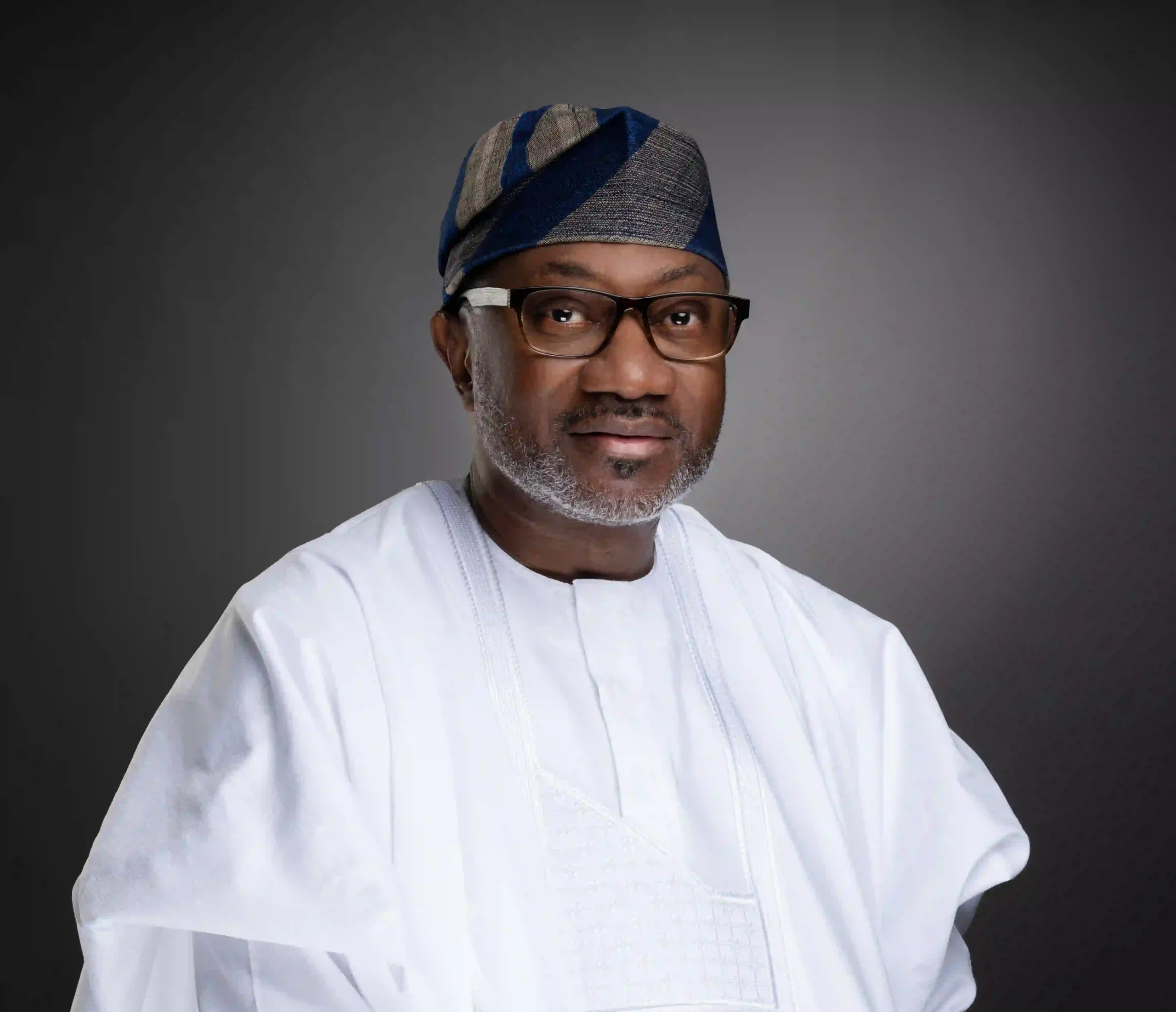
Billionaire businessman, Femi Otedola, has waded into the controversy between Dangote Group and the Depot and Petroleum Products Marketers Association of Nigeria (DAPPMAN).
Otedola, who is the chairman of Geregu Power Plc, commended the Chairman of the Dangote Group, Alhaji Aliko Dangote, for the success achieved so far since the Dangote Refinery commenced operations.
In a statement posted on his X handle on Monday, Otedola described Dangote’s achievement as “a historic leap for Nigeria’s energy independence and economic future.”
He hailed President Bola Tinubu for having the political will to implement the full deregulation of the downstream petroleum sector, noting that the act has broken the grip of entrenched interests and ushered in a new era of transparency, healthy competition, and efficient service delivery to customers.
According to him, the reform has laid the foundation for a more efficient and accountable energy market, breaking away from the old system plagued by rent-seeking, subsidy fraud, product diversion, and smuggling.
The billionaire investor faulted the action of DAPPMAN, which he said amounts resisting positive change in the downstream petroleum market, while trying to maintain an outdated business model built on fuel imports and subsidy exploitation.
Otedola said he founded DAPPMAN in 2002 to challenge the dominance of the major marketers and give independent depot owners a fair platform to thrive, but times have changed as their business model no longer align with today’s realities.
READ ALSO: ‘Go to Court,’ Dangote Tells DAPPMAN over ₦1.5trn Subsidy Claims
The Dangote Group and DAPPMAN had been at loggerheads in recent times following the company’s commencement of direct distribution of petroleum products to retailers and large-scale consumers across the country. The scheme, which formally started on September 15, promises to offer products to retailers at no cost of logistics, and is expected to save Nigerians over N1 trillion annually.
However, depot owners lamented that the move would kick them out of business and demanded a subsidy scheme that would amount to N1.505 trillion annually to be able to match Dangote Refinery’s gantry price.
The Dangote Group firmly rejected the demand, pointing out that it amounts to reviving old fraudulent subsidy system that drained huge government resources in the past.
In his statement, Otedola backed Dangote’s rejection of the subsidy demand by DAPMMAN, arguing that there was no justification for that.
He said he advised some DAPPMAN members last year to sell their depots as scrap while they still had value to adapt to the new reality of local fuel production.
“Nigeria now has over 4 million metric tons of storage capacity, most of it idle. With the Dangote Refinery now supplying fuel locally, the old business model is crumbling.”
According to him, Zenon Oil pioneered the modern diesel business in Nigeria and grew to become the largest supplier in the country as they built depots to store imported diesel because the market was import-driven, but today, the dynamics have changed with Dangote’s refinery now fully operational and producing refined products locally, closing opportunities for import. “Today, those gaps no longer exist,” he stated, adding, “We now have domestic production and local supply efficient, reliable, and proudly Nigerian.”
He highlighted benefits of the Dangote Refinery, including eliminating gridlock around the Ibafon, Tincan and Apapa areas and elevating the entire logistics chain with the purchase of 8,000 brand new CNG eco-friendly trucks, unlike the aging, rickety trucks still used by some operators, which often break down and pollute the environment.
He stressed that as founder of DAPPMAN and a depot owner, he has deep experience in the business.
According to him, the setting up of depots was mainly to collect Petroleum Fund Incentives (PFIs) and that the era of subsidy exploitation is fast disappearing.
“Since PFI is gone, I see no reason why Dangote Refinery should subsidize DAPPMAN with N1.5 trillion which they are asking Dangote Refinery to pay and subsequently pass this cost to consumers.
He said depot owners, and DAPPMAN members were the primary beneficiaries of subsidies, adding that over ₦2 trillion went down the drain through questionable claims under President Goodluck Jonathan’s administration.
Otedola advised DAPPMAN members to embrace the new realities in Nigeria’s downstream petroleum market and adapt by identifying and investing in new value chains in the sector, instead of fighting Dangote.
“If anything, DAPPMAN members should be focusing on owning and scaling last-mile retail outlets, not holding on to tanks built for a fuel import economy that no longer serves us,” Otedola stated.
READ ALSO: Dangote Begins Direct Fuel Supply, Cuts Petrol Pump Price To ₦841/litre
“If DAPPMAN members do not adapt, they will not only become irrelevant, they may go bankrupt. Instead of resisting progress, they should consider selling, restructuring, or investing in new value chains. In fact, if they truly believe in competition, they could even come together and acquire the Port Harcourt Refinery and see if they can succeed where NNPC could not.”
He further observed that even in developed markets, refinery operators are downsizing their depot footprint, given the current realities and urged depot owners to join the new era instead of clinging to outdated business model.
“DAPPMAN had its place but today, its relevance is fast fading. We must stop clinging to outdated privileges and focus on a new era built on self-sufficiency, transparency, and sustainable value creation. Aliko’s refinery is not the problem. It is the solution,” he added.

Victor Ezeja is a Nigerian journalist skilled in producing insightful news analyses, feature stories, and interviews that simplify complex issues and drive informed public discourse. His work combines rigorous research, balanced reporting, and compelling storytelling to highlight developments shaping industries and society. Victor, who holds a Master's Degree in Mass Communication, specializes in energy, aviation, business, and economic reporting. He can be reached via @VICTOREZEJA on X