


The city of al-Fashir, the historic heart of Sudan’s Darfur region, has descended into a nightmare. Once a hub of culture, trade, and education, the city now stands as a stark symbol of the human cost of Sudan’s ongoing war.
Over the past week, the Rapid Support Forces (RSF), a paramilitary group led by General Mohammad Hamdan Daglo, seized control after an 18-month siege, leaving streets deserted, homes destroyed, and tens of thousands of civilians fleeing for their lives.
Al-Fashir’s fall is the last in a series of Darfur state capitals captured by the RSF, following two years of intense conflict between Sudan’s army and the paramilitary group.
Observers warn that this takeover could ignite further ethnically and politically motivated atrocities, deepen famine, and push the country closer to fragmentation.
The Darfur region, in western Sudan, has been a flashpoint of ethnic tension and violence since the early 2000s. Decades of marginalisation, economic neglect, and clashes between Arab nomadic groups and non-Arab farming communities created fertile ground for unrest. The original Darfur war, beginning in 2003, left hundreds of thousands dead and millions displaced.
Today, the conflict has evolved. The RSF, a powerful paramilitary force originally formed from the notorious Janjaweed militias, has emerged as a central actor, now challenging the authority of Sudan’s army in a national power struggle.
READ ALSO: UN Warns of Rising Deaths as Siege Pushes Darfur City Toward Famine
The RSF, under General Daglo, was once an ally of Sudan’s military, helping suppress uprisings and maintain government control in troubled regions. But in April 2023, simmering tensions exploded into full-scale war, beginning in the capital, Khartoum, and spreading across the country.
Since then, the RSF and the army have been locked in a deadly standoff. Both sides are accused of war crimes and crimes against humanity, currently under investigation by the International Criminal Court (ICC). “The RSF and the military are now enemies who share a history of collaboration. This war is as much about power as it is about ethnic and political dominance,” says a Sudanese conflict analyst.
The RSF’s 18-month onslaught against al-Fashir included relentless shelling, siege tactics, and a blockade that left civilians starving. Local human rights organisations report:
- Over 1,000 civilians detained
- Dozens killed, with victims including children and the elderly
- Mass abductions of women, men, and medical workers
Graphic videos emerging from the city show families fleeing on foot, men dragged into trucks, and civilians being executed in broad daylight.
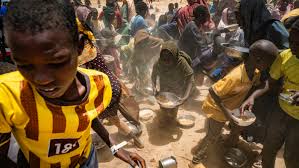
Jacqueline Wilma Parlevliet, senior UNHCR official in Sudan, confirmed accounts of targeted killings: “People with disabilities were executed because they could not flee. Women and girls have been subjected to sexual violence. Entire families have been forced from their homes.”
READ ALSO: UN Raises the Alarm Over Rising Civilian Deaths in Sudan’s El Fasher
Over 25,000 people fled al-Fashir within days, many heading to Tawila, a town already hosting 650,000 displaced people. Refugees describe walking for hours under the scorching sun, carrying children, and witnessing killings along the way.
Fatima, a mother of four, recalls: “I carried my children through dust and gunfire. Men around us were killed in front of their families. We left everything behind. All that matters now is surviving.”
Humanitarian organisations warn that famine is spreading rapidly across Darfur, and access to food, water, and medical care is critically limited.
The RSF has also targeted humanitarian operations. The Sudan Doctors Network reports that five medical personnel including four doctors, a pharmacist, and a nurse were abducted in al-Fashir. In Bara, Kordofan state, five Red Cross and Red Crescent volunteers were killed while distributing food, with three others missing.

“The targeting of health workers and aid volunteers is a direct attack on the civilian population. It is designed to create fear and limit access to humanitarian support,” said a spokesperson from Médecins Sans Frontières.
Adding to the crisis, Sudan recently expelled two senior World Food Programme officials, a move that may further complicate emergency aid efforts.
READ ALSO: Sudanese Army Captures RSF Stronghold Bara in Major Victory
Sudan’s army, facing continuous RSF attacks, withdrew from al-Fashir to protect civilians, according to Gen. Abdel-Fattah Burhan. The retreat, however, left the RSF in total control, sparking fears of ethnic cleansing and large-scale violations of human rights.
The European Union, Arab states, United Nations, and multiple aid agencies have condemned the RSF’s actions, describing them as violations of international law. Calls for immediate humanitarian access to Darfur are growing louder, as analysts warn that hundreds of thousands more could be displaced if the violence continues.
The Wider Crisis
Sudan’s conflict has created one of the world’s worst humanitarian crises:
- 40,000+ deaths reported by the UN (actual toll likely higher)
- 14+ million displaced, internally and externally
- Widespread famine, particularly in Darfur
- Medical system collapsing under attacks and blockades
Experts warn that Sudan risks total fragmentation, with Darfur becoming a microcosm of the country’s broader collapse.
A young man in Tawila sharing his testimony said: “We fled with nothing but hope. The RSF does not spare anyone. It is terrifying to see neighbours and friends vanish without a trace.”
A displaced teacher on his part said: “Al-Fashir is no longer a city it is a graveyard. Families are walking days without food, carrying their children. People are dying just to survive.”
The fall of al-Fashir is more than a military victory for the RSF; it is a humanitarian and moral catastrophe, a city plunged into famine, fear, and lawlessness. It exposes Sudan’s fragility, the dangers of paramilitary power, and the urgent need for international intervention.
As the world watches, civilians remain trapped between sieges, abductions, and famine a stark reminder that war’s human toll is never abstract, but painfully real.
Key Data Snapshot
| Metric | Figure |
|---|---|
| Civilians detained | 1,000+ |
| Civilians killed | Dozens confirmed; actual toll likely higher |
| People fled al-Fashir | 25,000+ |
| Displaced nationwide | 14+ million |
| Tawila displaced | 650,000 |
| Medical workers abducted | 5 |
| Red Cross volunteers killed | 5 |
| Missing aid volunteers | 3 |
| Conflict start | April 2023 |
| Estimated deaths | 40,000+ |
As Al-Fashir burns under paramilitary rule, the faces of Darfur’s civilians, children, mothers, the elderly remain etched in the memory of a world watching too slowly. Each displaced family, every stolen life, and every destroyed home tells the story of a conflict that is as much about power as it is about human suffering.
Yet amid the despair, there are whispers of courage and resilience, mothers carrying children across dust-choked roads, neighbors sharing what little food they have, and aid workers risking their lives to bring hope to the desperate.
READ ALSO: Death Tolls Increase in Afghanistan, Sudan After Natural Disasters
The fall of Al-Fashir is not the end of the story it is a warning. Sudan stands at a crossroads. Will the international community act to prevent further atrocities, provide safe passage, and deliver humanitarian aid? Or will Darfur continue to bleed in silence, a reminder of the consequences when war is allowed to consume its own people?
For the families fleeing the city, the choice is stark and immediate: survival, flight, and the hope that somewhere, beyond the smoke and bullets, a life worth living still awaits. Their struggle is the story of Darfur and it is far from over.

Esther Ososanya is an investigative journalist with Pinnacle Daily, reporting across health, business, environment, metro, Fct and crime. Known for her bold, empathetic storytelling, she uncovers hidden truths, challenges broken systems, and gives voice to overlooked Nigerians. Her work drives national conversations and demands accountability one powerful story at a time.