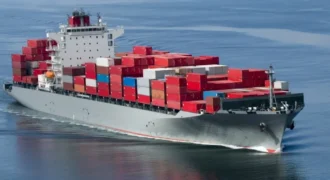

As the Middle East conflict continues to cause global disruption of crude oil supply and prices hovering around $100 per barrel, there have been calls for the Nigerian government to stop crude exports and prioritise supply to Dangote Refinery to boost domestic supply of refined products.
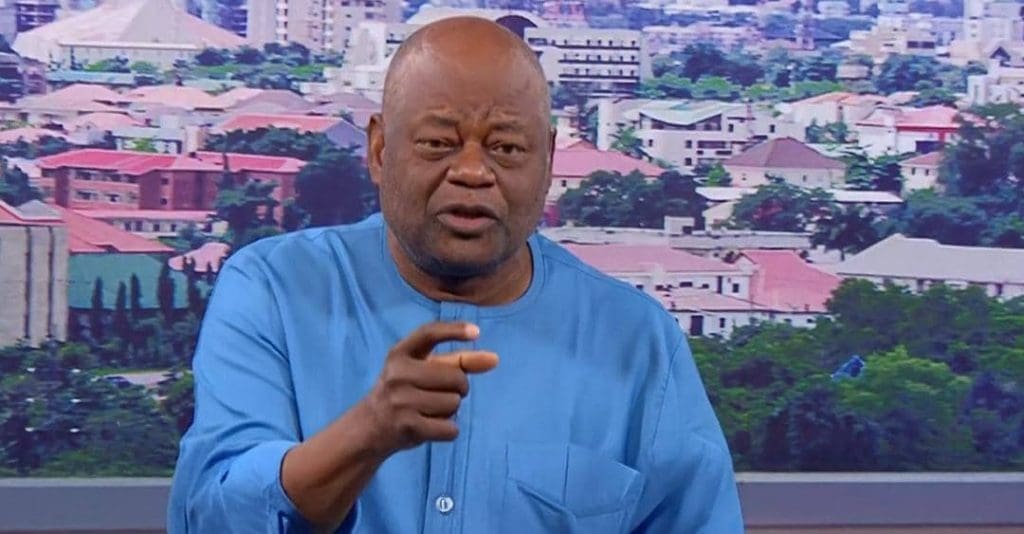
Energy expert and chief economic strategist, ECOWAS Commission, Prof Ken Ife, said the Nigerian government should focus on selling more crude to Dangote Refinery instead of sending to the international market.
His argument is rooted in the strategic need for Nigeria to achieve energy independence and mitigate shocks of the supply disruption caused by the ongoing conflict in the Middle East involving the United States, Israel and Iran.
Speaking in an interview with Trust TV on Thursday, Ife said the government should sell to Dangote Refinery at the prevailing international market rate to enable the refinery to get the required feedstock to produce refined petroleum products locally.
“Sell the crude to Dangote at whatever the prevailing price is,” Prof. Ife stated.
He argued that when compared with other countries, the cost of Nigeria’s Premium Motor Spirit (PMS), also known as petrol, is the lowest in Africa and 5 per cent cheaper than Saudi Arabia, which produces four times more than Nigeria.
While advancing his argument for restriction of oil exports, Ife said, looking at the current global crude supply trend, China, Russia and some other countries have stopped exporting their petroleum products to prioritise local supply.
“If China is stopping the export of refined products, why are you sending our raw material out there, when you are not going to get any refined products from there?” Ife asked.
READ ALSO:
- Dangote Refinery Reassures Commitment to Nigeria’s Energy Stability Despite Global Supply Disruptions
- Dangote Refinery Cuts Petrol Price by ₦100 to ₦1,075 Per Litre, Diesel ₦1,430
- Fuel Sufficiency Boost as Dangote Refinery Finally Hits 650,000bpd Capacity
- Middle East Tensions: Concerns as Fuel Prices Rise in Nigeria After Oil Price Surge
He recalled that it is similar to what happened during COVID-19 when countries like India stopped export of drugs, leaving many countries, including Nigeria, that depend on the country vulnerable to supply shortages.
He further stated that the Petroleum Industry Act (PIA), has a clause – Domestic Crude Supply Obligation (DCSO)- which mandates the authorities to satisfy local demands for crude oil before export, but that is not being observed.
He pointed out that under the Naira-for-Crude deal, Dangote Refinery is supposed to get 13 cargoes of crude from the NNPC monthly, but is getting only five cargoes on average. He said even if the NNPC secures 50 per cent of the total monthly production, it is enough to meet the demands of all the local refineries.
When asked how the government would earn oil revenue under such an arrangement, he is advocating, Ife said: “The money the government will earn for selling in the international market is the same money it will earn for selling it to Dangote.”
Addressing claims that Dangote has taken over Nigeria’s oil and gas industry, the economic and energy expert said Nigeria would have been in big trouble by now if the refinery was not working, especially as many countries are now restricting exports.
According to him, prices would have surged to about N2,000 per litre by now if Dangote Refinery wasn’t producing petroleum products.
“If Dangote Refinery wasn’t doing production, we would be paying about N2,000 per litre by now. We wouldn’t even have the product, because you see that they are not even letting you get the product. There will be scarcity, there will be long queues and you will be paying over N2,000 per litre. That’s what we would have been seeing today,” he stated.
On the issue of NMDPRA restricting import of petroleum products, Ife said importers have been engaging in importation of substandard products that cause damage to people’s vehicles and pollute the environment.

Victor Ezeja is a passionate journalist, scholar and analyst of socioeconomic issues in Nigeria and Africa. He is skilled in energy reporting, business and economy, and holds a master's degree in Mass Communication. He can be reached via @VICTOREZEJA on X