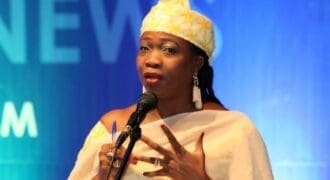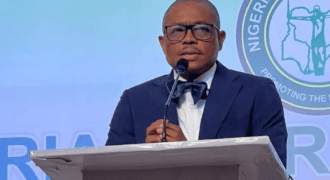


The Director of the Nigeria National Single Window, Tola Fakolade, has highlighted the benefits of the new government initiative, saying it will simplify trade processes, streamline import and export documentation, and strengthen Nigeria’s competitiveness in global trade.
Fakolade also assured stakeholders that the platform would not interfere with the statutory revenue collection responsibilities of agencies operating in the country’s maritime sector.
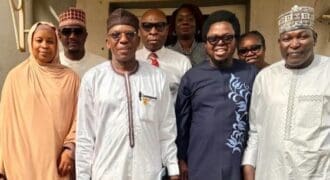
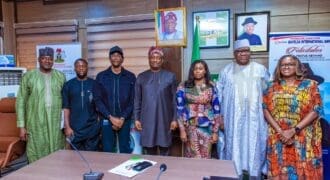
He spoke during a sensitisation programme organised for officers of the Nigeria Customs Service in Lagos ahead of the Phase One launch of the platform scheduled for March 27, 2026.
Addressing concerns about the initiative, Fakolade explained that the National Single Window is designed to facilitate trade and improve coordination among government agencies involved in import and export operations.
According to him, the system will integrate several government agencies onto one digital platform once it becomes operational.
This integration will allow traders to submit documentation and complete regulatory procedures through a single interface.
He noted that many stakeholders consider the initiative a major step toward reducing bureaucratic bottlenecks and improving efficiency in Nigeria’s trade processes.
Not a Revenue Collection System
Fakolade stressed that the National Single Window would not take over revenue collection from government agencies.
“The National Single Window is not taking over revenue collection from agencies. Instead, it will facilitate ease of trade by integrating processes and improving transparency across participating agencies,” he said.
He added that the initiative is not a tax collection mechanism for the Nigeria Revenue Service.
Rather, he described it as a presidential project aimed at modernising Nigeria’s trade infrastructure.
Fakolade explained that the National Single Window has a steering committee that includes all relevant government agencies.
Each agency is represented on the committee, which operates under the leadership of the Presidency.
Although the Nigeria Revenue Service funds the project, he said its goal is not to compete with any agency.
Instead, the initiative aims to strengthen collaboration and operational efficiency across government institutions involved in trade.
READ ALSO:
- Customs Seizes ₦116m Precious Metals, Strengthens Security, Trade Partnerships in Kano
- Customs Introduces New Operating Standards for Courier Firms
- WCO Trains Nigeria Customs on Advance Rulings, Green Trade
- Nigeria Customs Service Begins Mandatory Drug Tests for Officers
Also speaking at the event, the Deputy Comptroller-General of the Nigeria Customs Service, Oluyomi Adebakin, emphasised the importance of the platform for Nigeria’s global trade competitiveness.
Adebakin said the National Single Window would improve operational efficiency within Customs operations.
She added that the system would also enhance Nigeria’s reputation in international trade.
According to her, digitising and harmonising trade procedures will position Nigeria more favourably in the global trading environment.
“The National Single Window will improve Nigeria’s image in the committee of nations as it relates to trade. It will simplify procedures, reduce delays, and strengthen transparency within the system,” she said.
Participants at the sensitisation workshop received detailed presentations on the operational framework, benefits, and collaborative structure of the platform.
The session also allowed officers to seek clarification on how the initiative would interact with existing systems across various government agencies.
The sensitisation programme forms part of ongoing efforts by the National Single Window Secretariat to ensure that agencies involved in trade operations align with the project’s objectives before its full implementation.

Esther Ososanya is an investigative journalist with Pinnacle Daily, reporting across health, business, environment, metro, Fct and crime. Known for her bold, empathetic storytelling, she uncovers hidden truths, challenges broken systems, and gives voice to overlooked Nigerians. Her work drives national conversations and demands accountability one powerful story at a time.