
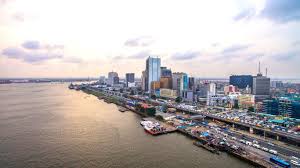
Every December, Lagos stops being just a city; it becomes a global carnival ground. From Murtala Muhammed Airport down to Victoria Island, Lekki, and the Mainland, the city pulsates with an energy that comes only once a year. Flights from London, Atlanta, Toronto, Dubai, and Johannesburg arrive full of Nigerians in the diaspora ready to reconnect with home and spend lavishly.
This cultural and economic phenomenon, widely known as Detty December, has grown into a multi-billion-naira seasonal economy, responsible for some of the highest revenue spikes across entertainment, hospitality, transport, retail, and digital services.
A 2024 tourism estimate suggested that Lagos alone welcomed over 250,000 December visitors, including returning Nigerians, holiday travellers from other African countries, and global tourists seeking to experience “the African December”.
The result? A month where businesses earn more in 30 days than they do in six months.
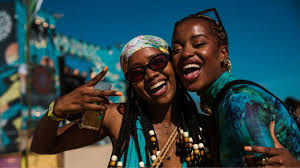
Below is a detailed analysis of 10 sectors that experience the biggest boom during Detty December and why the season has become an economic engine for Lagos.
1. Hotels: Lagos Records Billions in Festive Occupancy
By mid-November, hotel bookings in Lagos begin to disappear faster than concert tickets. From Eko Hotels to Radisson Blu, Landmark, Marriott, and boutique hotels in Lekki, occupancy jumps to 95–100%.
Why they boom
- Diasporans want comfort and prime locations.
- Event organisers book large room blocks for artistes, crews, and VIP guests.
- Post-concert traffic makes many attendees book nearby stays for convenience.
READ ALSO: Tech Expert Kazeem Tewogbade Launches Memoir ‘Unlikely’, Highlights Power of Resilience in Business Success
Economic Impact
Hospitality analysts estimate that Lagos hotels generated over ₦35–₦40 billion last December alone, with premium rooms selling out first.
A manager at a leading Victoria Island hotel revealed, “December pays for our slow months. Our revenue triples; even midrange rooms sell like luxury suites.”
2. Short-Let Apartments: The Real Gold Mine of Detty December
If hotels are full, short-let apartments are overfull.
Platforms like Airbnb, Booking.com, and local agencies report 300% demand surges, with apartments in Lekki Phase 1, Ikoyi, and Victoria Island commanding ₦100,000 to ₦350,000 per night depending on amenities.
Why they boom
- Diasporans prefer privacy and space for family.
- Influencers and creators book them for photoshoots.
- Groups of friends split the cost, making it cheaper than hotels.
A Lagos short-let operator Say: “We earn in December what we don’t earn from January to April combined. People literally pay any amount as long as the place is clean and well-furnished.”
3. Nightclubs & Lounges: The Empire of Midnight Money
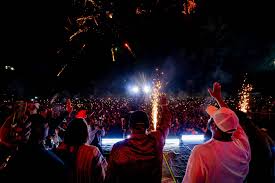
This is the heartbeat of Detty December.
From Quilox to Pablo, Circa, The Vault, DNA, Cubana, and Hard Rock Cafe, the nightlife scene enters its peak season.
What drives demand
- Back-to-back events
- Celebrity appearances
- Exclusive VIP sections
- Bottle service culture
- Brand-sponsored nightlife tours
Revenue Spike
Some top clubs reportedly earned ₦1 billion+ in December 2024 alone through table bookings, champagne sales, and premium entertainment.
“A table that costs ₦500,000 in March goes for ₦4 million in December, and it still sells out.”
4. Event Centres & Concert Venues: December’s Never-Ending Show Calendar
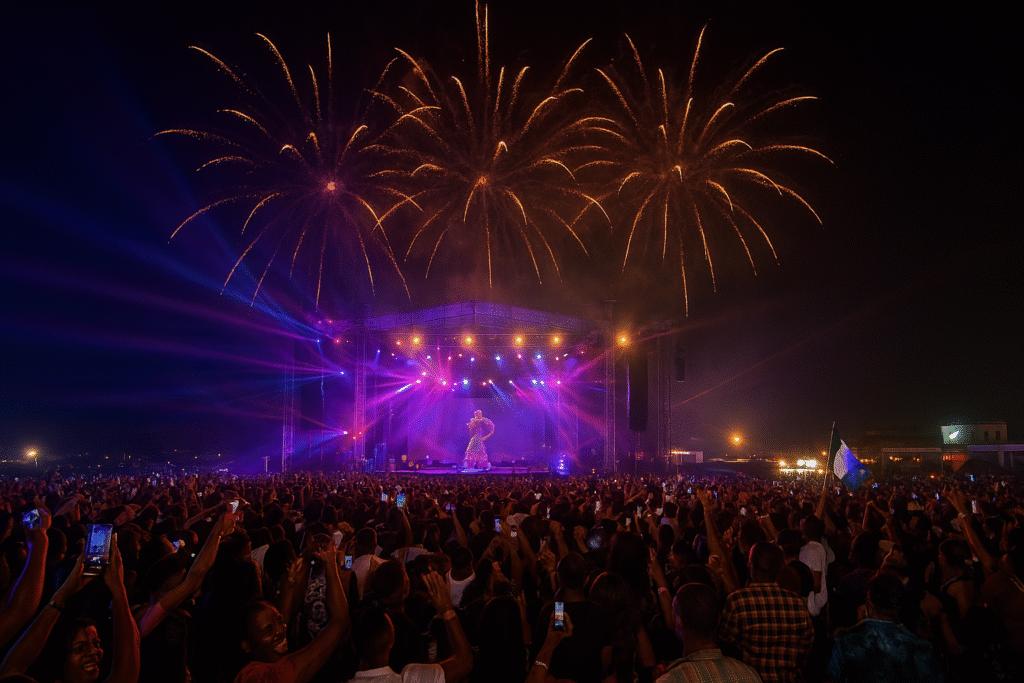
From weddings to concerts to end-of-year corporate events, Lagos becomes one giant stage.
Who benefits
- Landmark Beach
- Eko Convention Centre
- Tafawa Balewa Square
- Federal Palace grounds
- Halls in Ikeja, Surulere & Lekki
Why the boom
- December is wedding season.
- Artists schedule their biggest shows for Detty December.
- Corporate organisations hold retreats, galas, and parties.
Economic Impact
Event centres in Lagos made an estimated ₦18–₦25 billion last December through bookings.
5. Luxury Car Rentals: When Everyone Wants to Move in Style
December is prestige season.
Demand for SUVs, luxury sedans, Sprinter buses, Rolls Royce rentals, and chauffeur services explodes.
Price Spike
Rental rates increase by 150%–300%, especially for:
- G-Wagon
- Range Rover
- Toyota Land Cruiser
- Mercedes GLS
- Lexus LX
“People are in the mood to impress, weddings, concerts, reunions… No one wants to show up looking basic.”
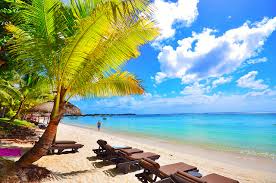
6. Beaches and Resorts: The Great Escape From Lagos Chaos
When traffic becomes unbearable, people head to recreational spots.
From:
- Ilashe
- Atican
- Landmark
- Sencillo
- Barracuda
- Jara Beach
These destinations see full bookings from families and tourists.
Why they boom
- Family reunions
- Private villa parties
- Influencer retreats
- Pre-wedding photoshoots
- Corporate retreats
Beach houses go for ₦300,000 to ₦1.2 million per day depending on size and luxury level.
7. Cinemas & Film Premieres: Nollywood’s Most Profitable Season
Nollywood understands the December formula:
Release blockbusters, sell out cinemas.
Reasons for the surge
- Families go out more.
- Premieres attract celebrities.
- Holiday movies become national events.
December 2024 recorded the highest cinema revenue in Nigeria’s history, with over ₦1.2 billion in ticket sales.
8. Restaurants & Street Food Vendors — Where Lagos Eats, Day and Night
Food moves faster in December than in any other month, and every layer of Lagos’ food ecosystem cashes out.
The biggest winners include:
• Fine-dining hotspots like Shiro, Amazonia, Nok by Alara
• Fast-food chains such as Chicken Republic, Tasty, KFC
• Street-food vendors along Lekki, Victoria Island, Ikeja and Surulere
• Mobile food sellers stationed at concerts and beach events
During Detty December, Lagos becomes a city that hardly sleeps, and hunger doesn’t sleep either.
What drives the boom:
Late-night concerts and afterparties
Thousands of tourists looking for familiar and local dishes
Large group hangouts and homecomings
Endless weddings and family events
Many vendors say December is their biggest month. A shawarma seller in Lekki shared, “We double our staff in December. Sometimes we don’t close till 4 a.m.”
From gourmet dining rooms to suya stands near concerts, food becomes one of the most reliable profit engines of the festive season.
9. Beauty, Grooming & Fashion — Because December Is a Runway
In Lagos, every December outing demands a look — and that means business for the style economy.
Top earners include:
• Makeup artists
• Hairstylists and barbers
• Tailors and fashion designers
• Nail technicians
• Fashion stylists
• Photographers
• Fashion rental services
READ ALSO: Drums, Dance, Naira: The Power of Nigerian Festivals
Peak activities that drive demand:
Weddings and receptions
Red-carpet concerts
Photoshoots
High-end nightlife on the Island
Traditional family gatherings
Makeup artists charge ₦20,000 to ₦100,000 per session, depending on the client and event. Tailors earn heavily from express orders, while stylists work overtime preparing clients for back-to-back events.
Detty December turns Lagos into a fashion festival, and the beauty industry rides the wave to peak earnings.
10. Digital Payments & E-Commerce — The Silent Billionaires of December
Behind every concert ticket, hotel booking, short-let reservation, restaurant bill, gift purchase, and airport transfer lies one quiet winner: digital payments.
Platforms making the biggest gains include:
• Flutterwave
• Paystack
• Opay
• Moniepoint
• PalmPay
• Crypto processors
• Online ticketing platforms
Why they boom:
Online ticket purchases for concerts and festivals
Christmas shopping on e-commerce sites
Hotel and short-let bookings
Diaspora remittances and payments from abroad
POS transactions at events, beaches, malls, and clubs
According to industry trackers, digital payment volume jumped by more than 28% last December, making fintech one of the biggest beneficiaries of Detty December.
Crypto payments are also rising, especially for:
Short-let apartments
Club table reservations
Luxury shopping and private concierge services
THE BIG PICTURE: Why Detty December Has Become an Economic Lifeline
Detty December is not accidental; it is the result of several forces converging at once.
Key drivers of the surge:
• Diaspora returnees spending foreign currency
• Massive brand sponsorships of events
• The expansion of the Lagos nightlife ecosystem
• A rising culture of concerts, festivals, and lifestyle tourism
• Social media hype and celebrity influence
• Seasonal movement from Abuja, Port Harcourt, the UK, US, and Europe
• Lagos’ growing reputation as West Africa’s entertainment capital.
Economic Contribution:
Economists estimate the Detty December economy at ₦400–₦500 billion annually, with ripple effects across:
Transportation and logistics
Hospitality.
Catering and food supply chains
Retail and fashion
Entertainment production
Event staffing and security
Tourism services
It is now one of Lagos’ biggest informal economic engines, bigger than many state-run revenue streams.
LOOKING AHEAD (2025–2030): The Future of Detty December
Experts believe the December economy will evolve dramatically over the next five years.
Projected trends include:
A doubling of December tourism revenue;
A major influx of international visitors from Europe and the US;
Larger and more structured music festivals;
Expansion of nightlife and beach tourism into Badagry, Epe, Ibeju-Lekki
More foreign currency entering through diaspora homecomings
Increased state investment in tourism roads, venues, and security.
The Lagos State Government is already considering improved transport routes, more beachfront development, and formal event zoning, a move that could transform Detty December from a cultural wave into a formally organised tourism industry.
READ ALSO: Detty December: How Lagos IJGBs Quietly Pump ₦1.5trn Into Economy
A Season That Defines Lagos And Powers Its Economy
Detty December is no longer just a social trend, It has become a cultural phenomenon, a tourism booster, and a billion-naira economic engine that keeps Lagos vibrant and financially alive.
For businesses, December is not merely the end of the year—it is the harvest season, and Lagos is the field where the money grows.

Esther Ososanya is an investigative journalist with Pinnacle Daily, reporting across health, business, environment, metro, Fct and crime. Known for her bold, empathetic storytelling, she uncovers hidden truths, challenges broken systems, and gives voice to overlooked Nigerians. Her work drives national conversations and demands accountability one powerful story at a time.