

Central Bank of Nigeria (CBN), Governor, Dr Olayemi Cardoso, has said Nigeria’s economic reforms are yielding significant benefits and positioning the country firmly on the path to stability, inclusiveness, and innovation-driven growth.
Cardoso said the economic reforms such as the removal of fuel subsidies, foreign exchange overhaul and policies aimed at boosting fiscal strength, have put the country on the path to sustainability.
The CBN governor stated this during a press conference to mark the conclusion of the 2025 Annual Meetings of the International Monetary Fund (IMF) and World Bank Group in Washington D.C.
The fruits of the ongoing economic reforms, according to Cardoso, reflect in the continued moderation of inflation, exchange rate stabilisation and return of investor confidence.
He cited recent macroeconomic data, including the headline inflation which dropped for the sixth consecutive month in September to 18.02 per cent from 23.71 per cent in April 2025. He also noted that core and food inflation had decreased within the same period, owing to the combined benefits of rigorous monetary tightening, exchange rate unification, and more market openness.
He also noted that Nigeria’s foreign reserves is now more than $43 billion, providing more than 11 months of import cover, and that the naira has continued to appreciate, with the gap between official and parallel market exchange rates shrinking to less than 2 per cent.
READ ALSO: CBN Signs Pact with Angola to Improve Central Banking Operations
These results, he stated, have been aided by continued capital inflows, increased diaspora remittances, and reinvigorated investor activity across several asset classes.
“There is broad recognition that Nigeria’s reforms are delivering results. Inflation is moderating, the exchange rate has stabilized, and investor confidence is returning,” Cardoso stated.
“Bold reforms undertaken over the last two years have set a strong foundation for Nigeria to pursue the next phase of its economic agenda — driving inclusive growth, creating jobs, and alleviating poverty,” he added.
READ ALSO: Elumelu Calls for $4 Trn in Domestic Capital, AI Investment to Drive Africa’s Prosperity
Speaking on monetary policy, he said the CBN has returned to conventional method of deploying instruments such as the Monetary Policy Rate (MPR), Cash Reserve Requirement (CRR), and Liquidity Ratio (LR) to manage liquidity and guide inflation expectations.
These methods, he continued, are being complemented by advanced analytics and artificial intelligence to improve forecasting accuracy, reinforce policy transmission, and make better decisions.
On the fiscal side, the CBN boss highlighted efforts by the Federal Government to improve revenue generation, reducing cost of governance and channeling expenditure toward high-impact sectors such as infrastructure, education, and healthcare.
READ ALSO: FX Turnover Rises to $8.6bn Monthly Says CBN
While noting that there is rising revenue from the non-oil sector, Cardoso also disclosed that targeted incentives and decreased insecurity in oil-producing areas have attracted more than $8 billion in new investments into Nigeria’s energy sector.
On the ongoing recapitalisation of banks, Cardoso stressed that it is intended to strengthen, fortify, and increase the global competitiveness of Nigerian banks so they can support the next stage of the nation’s economic growth.
He emphasised that Nigeria’s appointment as chairman of the Intergovernmental Group of Twenty-Four (G-24) on International Monetary Affairs and Development during the IMF-World Bank meetings, indicates a revived international trust in Nigeria’s leadership and is consistent with the country’s expanding influence in forming the global financial architecture.
Pinnacle Daily had reported that Nigeria was given the position of chairmanship of the Intergovernmental Group of 24 (G-24) on International Monetary Affairs and Development during the IMF-World Bank meeting.
Nigeria will formally assume the office on November 1, 2025m, succeeding Argentina.
“This milestone underscores Nigeria’s credibility and influence in international economic diplomacy,” Cardoso stated.
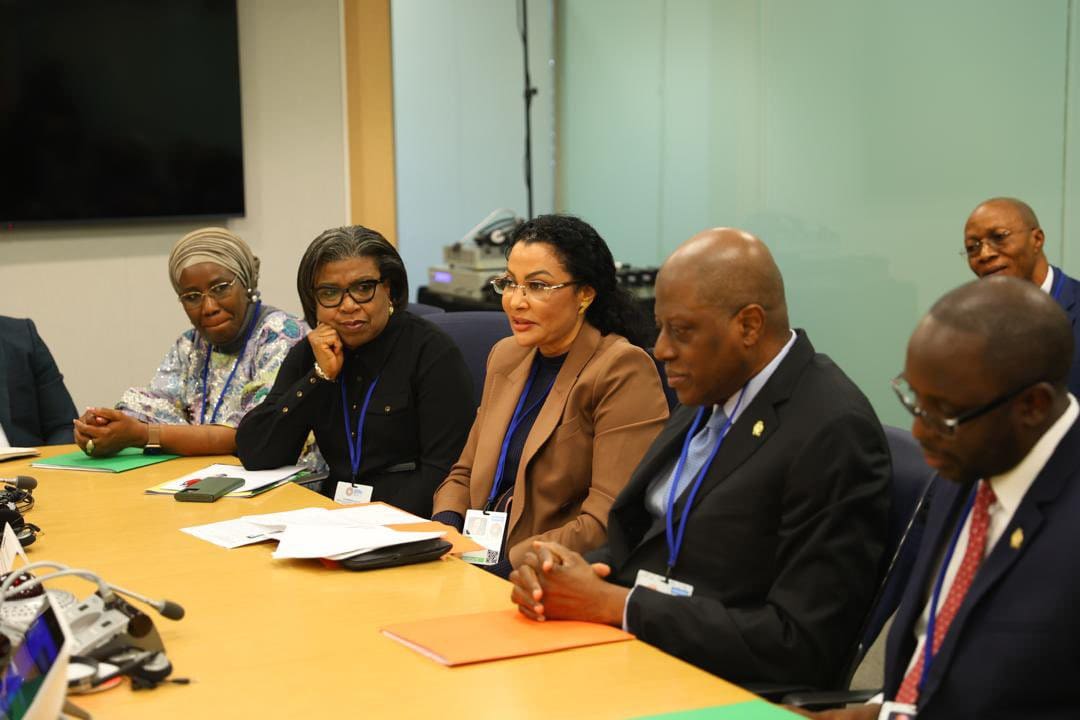
The CBN governor, who led Nigeria’s delegation to the 2025 Annual Meetings of the IMF and the World Bank along with the Minister of State for Finance, Dr. Doris Uzoka-Anite, held series of technical sessions and bilateral meetings with key stakeholders.
READ ALSO: IMF Raises Nigeria’s Economic Growth Forecast to 3.9%
One of them was a dialogue with Nigerian fintech leaders under the theme “Shaping the Future of FinTech in Nigeria: Innovation, Inclusion, and Integrity.”
Commenting on the engagement, Cardoso said it was important to engage with the fintech leaders to ensure that the country’s digital financial future is built on innovation, integrity, and inclusion.
While noting the growing confidence of the international community in the country’s reform agenda, Cardoso reiterated the CBN’s commitment to maintaining macroeconomic stability, deepening structural reforms, and ensuring that policy achievements transfer into meaningful improvements in Nigerians’ lives.

Victor Ezeja is a passionate journalist, scholar and analyst of socioeconomic issues in Nigeria and Africa. He is skilled in energy reporting, business and economy, and holds a master's degree in Mass Communication. He can be reached via @VICTOREZEJA on X