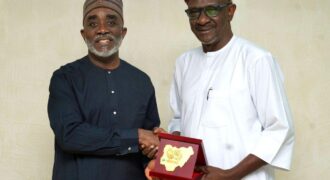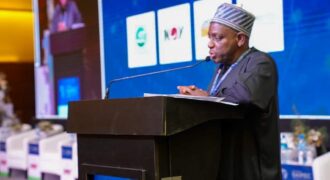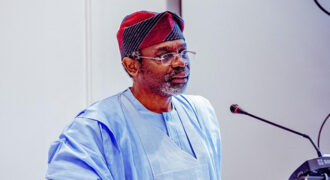

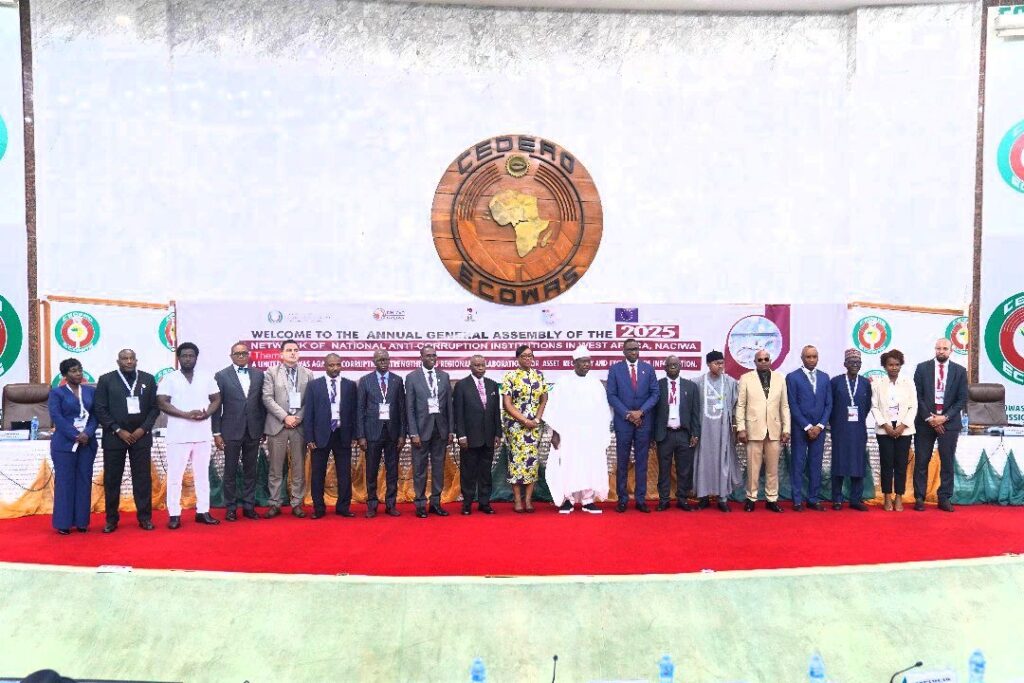
Speaking at the 7th Annual General Assembly (AGA) of the Network of Anti-Corruption Institutions in West Africa (NACIWA), held at the ECOWAS Secretariat in Abuja, Dr Aliyu urged member states to forge a united front against corruption, anchored on mutual trust, legal reciprocity, and operational synergy among anti-corruption agencies.
Describing the theme of this year’s assembly, “A United ECOWAS Against Corruption: Strengthening Regional Collaboration for Asset Recovery and Exchange of Information”, as both timely and urgent, Dr Aliyu stressed that no country in the region can win the anti-corruption war in isolation.
READ ALSO: Great Content is Key to Survival, Mojeed, Agoawike Challenges Journalists
“Asset recovery is most effective when driven by regional and international cooperation anchored on mutual trust, legal reciprocity, and operational synergy among anti-corruption agencies,” he said.
The ICPC Chairman warned that fragmented efforts often allow corrupt individuals to exploit jurisdictional loopholes, moving illicit wealth across borders with ease.
He noted that only a unified, harmonised regional strategy could effectively track and block illicit financial flows that drain Africa’s collective wealth.
“A unified regional approach will enable us to trace illicit gains swiftly and prevent their reinvestment within the ECOWAS sub-region,” he added.
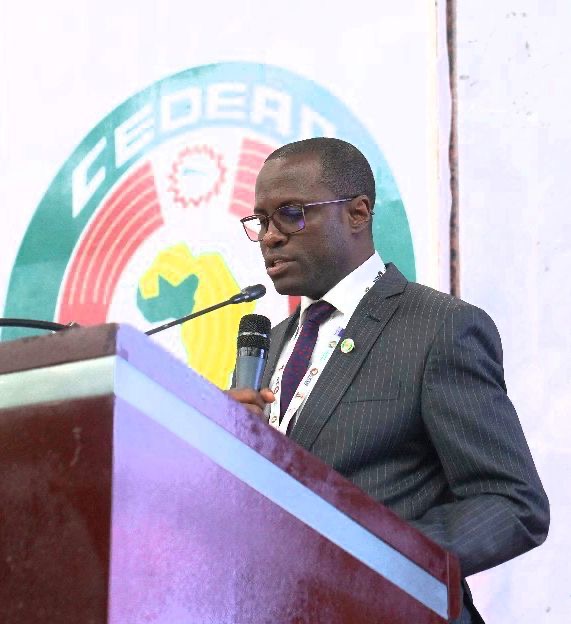
Dr Aliyu highlighted the ICPC’s growing achievements in both criminal and non-conviction-based forfeiture mechanisms, which have resulted in significant asset recoveries in Nigeria.
However, he cautioned that domestic progress alone is not enough to address the scale of illicit financial flows without stronger regional and global partnerships.
He also called for improved information sharing among West African countries, noting that many corruption cases collapse because of the lack of timely intelligence and coordinated action across borders.
Tinubu: Stolen Assets Fuel Insecurity and Instability
In a keynote address delivered by the Secretary to the Government of the Federation (SGF), Senator George Akume, President Bola Ahmed Tinubu reaffirmed Nigeria’s commitment to ECOWAS and NACIWA’s anti-corruption agenda.
He described asset recovery as a central pillar of the region’s anti-corruption efforts and a necessary step toward restoring West Africa’s economic vitality.
“Recovery of stolen assets is at the core of our region’s fight against corruption. West Africa’s post-independence trajectory has been blighted by corruption, manifesting in the theft and stashing of our commonwealth abroad by corrupt officials,” the president said.
President Tinubu further warned that illicit outflows, resource theft, and the smuggling of mineral wealth continue to fuel insecurity, small arms proliferation, kidnapping, and banditry, deepening poverty and undermining development across the region.
“These challenges have worsened the security and development outlook of our region,” he cautioned, calling on NACIWA to develop a new framework of inclusive regional action to strengthen anti-corruption institutions and foster sustainable development.
Also addressing delegates, the Chairman of the Economic and Financial Crimes Commission (EFCC) and President of NACIWA, Barr. Ola Olukayode, said the annual assembly serves as a platform for reflection, evaluation, and strategic planning among member states.
“This is a moment to assess our progress and chart new directions for collaboration,” he said, emphasising the importance of collective will and institutional cooperation in asset recovery.
The event was attended by heads of anti-corruption agencies, attorneys general, and delegates from across the ECOWAS subregion, including Nigeria’s attorney general of the federation and minister of justice, Prince Lateef Fagbemi, SAN, among other dignitaries.
READ ALSO: ICPC Recovers N271bn, Tracks 1,440 Govt Projects in Northern Nigeria
The Abuja meeting could mark a turning point for West Africa’s anti-corruption agenda, particularly as countries align on shared frameworks for asset tracing, mutual legal assistance, and exchange of financial intelligence.
With Nigeria leading the charge, experts believe that enhanced regional coordination could not only recover stolen assets but also deter future corruption, safeguard public wealth, and promote inclusive growth across the continent.

Esther Ososanya is an investigative journalist with Pinnacle Daily, reporting across health, business, environment, metro, Fct and crime. Known for her bold, empathetic storytelling, she uncovers hidden truths, challenges broken systems, and gives voice to overlooked Nigerians. Her work drives national conversations and demands accountability one powerful story at a time.