As preparations for the 2027 general elections intensify, stakeholders in Nigeria’s electoral process have been urged to acquaint themselves with reforms and innovations introduced by the Independent National Electoral Commission (INEC) rather than succumb to misinformation.
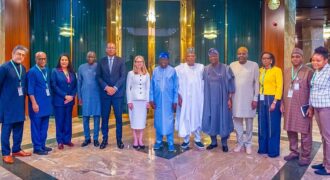
The call was made at a one-day town hall meeting held in Sokoto, organised by the Peering Advocacy and Advancement Centre in Africa (PAACA) with support from the MacArthur Foundation.
The programme was aimed at sensitising key actors on electoral reforms and strengthening voter education for credible elections.
The event brought together representatives of security agencies, the media, civil society organisations, traditional institutions, and other critical stakeholders.
Knowledge Gaps and Misinformation
In his opening remarks, PAACA Executive Director Mr Ezenwa Nwagwu stressed the need to bridge knowledge gaps on INEC’s guidelines and innovations, warning that widespread misinformation often undermines the credibility of elections.
He explained that politicians frequently mislead citizens, while poorly framed media narratives further erode public trust in the system. According to him, evidence-based discussions and informed engagement are essential as elections are guided by laws and processes.
READ ALSO: INEC Reports 6.2m Voter Registrations, Majorly Youths, Students
“Politicians commit ninety per cent of crimes during elections. If citizens are empowered with the right information, manipulation becomes difficult,” Nwagwu said.
He noted that while INEC and the National Orientation Agency (NOA) play key roles in civic education, the responsibility cannot rest solely on them. He called on civil society, the media, security agencies, and traditional leaders to take ownership of voter education.
Importance of Electoral Documents
Nwagwu urged Nigerians to equip themselves with three essential documents, the Electoral Act, the Constitution, and INEC’s guidelines, stressing that they are not meant for lawyers alone but for every citizen.
“These documents show that elections are law-guided processes,” he said.
He also reviewed technological advancements in Nigeria’s elections, particularly the role of the Bimodal Voter Accreditation System (BVAS) in reducing manipulation during the 2023 polls. He explained the workings of BVAS and the INEC Result Viewing Portal (IReV), noting that misconceptions about these innovations stem from a lack of understanding.
Other INEC innovations highlighted include the Election Monitoring Dashboard, Political Party Financial Auditing System, INECPRES portal for ad-hoc staff recruitment, and the Voter Verification System (VVS) technology, which allows voters to track polling units online. He further mentioned the INEC Candidate Nomination Portal (ICNP) as a major tool for improving transparency in party primaries.
Cost of Elections
Responding to criticisms that Nigeria’s elections are the most expensive in the world, Nwagwu dismissed such claims as unfounded. Citing data from the ECOWAS Network of Electoral Commissions, he said Nigeria spends about $8 per voter, placing it among the least expensive in the region.
INEC and NOA React
Delivering a goodwill message, INEC’s Resident Electoral Commissioner (REC) in Sokoto, Mr Umar Yusuf Garba, represented by the Head of Voter Education and Publicity, Mr Abdullahi Sale Dawa, described the town hall as an important platform for deepening knowledge on the electoral process.
He noted that while the 2023 general election showed progress in voter education, technology deployment, and stakeholder engagement, challenges remain. He called for honest reflection and constructive dialogue to consolidate gains and chart a path to more transparent and inclusive elections.
Similarly, the Sokoto State Director of the NOA, Alhaji Babangida Kurfi, represented by Ms. Okeke Uche Ngozi, commended the initiative, stressing that the quality of democracy depends on the quality of citizens’ participation.
She highlighted the need to tackle vote buying and encourage peaceful political activities and pledged NOA’s readiness to partner with civil society groups in grassroots sensitisation.

Rafiyat Sadiq is a political, justice, and human rights reporter with Pinnacle Daily, known for fearless reporting and impactful storytelling. At Pinnacle Daily, she brings clarity and depth to issues shaping governance, democracy, and the protection of citizens’ rights.