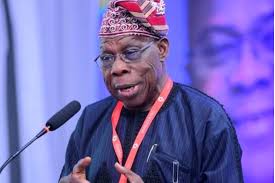
Africa’s economic sovereignty is again under the spotlight following former President Olusegun Obasanjo’s warning against over-reliance on the International Monetary Fund (IMF) and World Bank.
The ex-president’s comments, made at the Intra-Africa Trade Fair in Algeria, have sparked widespread debate, drawing reactions from economists, civil society actors, and ordinary Nigerians.
“The World Bank is not for us; the IMF is not for us,” Obasanjo said. “Once we understand that, we will know how to deal with them.”
He urged African leaders to focus on intra-African trade, regional integration, and local currency settlements, emphasizing that dependence on foreign financial institutions weakens African currencies and limits developmental autonomy.
READ ALSO: Afreximbank Economist Criticizes Biased Credit Scores on Africa
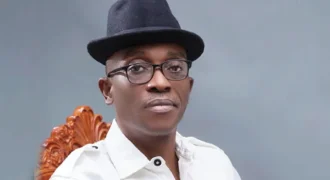
Speaking exclusively to Pinnacle Daily, Barrister Eze Onyekpere, Lead Director of the Centre for Social Justice (CSJ), commended Obasanjo’s warning, but stressed prudence.
“The IMF and World Bank’s policies do not always align with Africa’s development needs,” Onyekpere said. “They should be handled carefully. Leaders should only adopt what benefits their countries and discard the rest. External advice and funds should be a last resort.”
Onyekpere further advised vigilance even when ambassadors and officials liaise with these institutions. “We must ensure that any agreements serve national interests before implementation,” he added.
Obasanjo’s comments have drawn a wide spectrum of reactions across social media.
Supporters praised the former president’s candor. Sylvanus Izejiora wrote: “Chief Obasanjo made a big point. IMF and whatever they call it are traps on the African continent.” Don Banda emphasized regional unity: “African integration in economy, finance, and defense is the way forward. We should draw strength from each other, not foreign imperialists.”
Others highlighted examples of African leaders pursuing independent economic strategies. Ayuba Lawa cited Burkina Faso’s Ibrahim Traoré, saying: “The success there shows that burying corruption and focusing on national priorities leads to real development.”
READ ALSO: Africa’s Future Lies In Digital Trade, AfCFTA Boss
However, critics questioned Obasanjo’s timing and past record. Tunde Sunday wrote: “Baba Obasanjo, please stop all this ranting. You could have corrected these issues during your government. Use your remaining time to leave a real legacy.” Olaniyi Kareem added, “Paying your country’s debt without pioneering a united African economic force is not an achievement. You take credit for what you did not establish.”
Africa’s engagement with the IMF and World Bank has often been controversial.
Structural adjustment programs in the 1980s and 1990s prioritized debt repayment over domestic development, leading to economic stagnation in many countries. Obasanjo’s call to reduce dependence on these institutions reflects a broader push for economic sovereignty and intra-African cooperation.
Experts like Onyekpere argue that prudent management of foreign aid is essential. “Leaders must carefully evaluate external advice and funding to ensure it aligns with national interests,” he said. Economic analysts suggest that Africa can only achieve long-term growth by balancing foreign assistance with self-determined policies and regional cooperation.
Dr. Chukwuma Eze, an economist, noted: “Obasanjo is reminding leaders that African nations must chart their own economic course to avoid repeating past mistakes. Corruption and poor governance, not foreign institutions alone, have held the continent back.”
READ ALSO: $4Trn in Untapped Capital Wasting in Africa — AFC
Obasanjo’s warning aligns with the objectives of the African Continental Free Trade Area (AfCFTA), which seeks to unify African markets, reduce trade barriers, and boost intra-African commerce. Analysts argue that regional cooperation, anti-corruption measures, and local currency trade are essential for reducing dependence on foreign institutions.
The IMF and World Bank’s policies do not always suit our development needs. They should be handled with circumspection,” – Barr. Eze Onyekpere.
“The World Bank is not for us; the IMF is not for us. Once we understand that, we will know how to deal with them,” – Olusegun Obasanjo.
“African integration in economy, finance, and defense is the way forward. We should draw strength from each other, not foreign imperialists,” – Don Banda.

Esther Ososanya is an investigative journalist with Pinnacle Daily, reporting across health, business, environment, metro, Fct and crime. Known for her bold, empathetic storytelling, she uncovers hidden truths, challenges broken systems, and gives voice to overlooked Nigerians. Her work drives national conversations and demands accountability one powerful story at a time.