Project to Boost Southern Africa’s Energy Security and Regional Trade
By Esther Ososanya
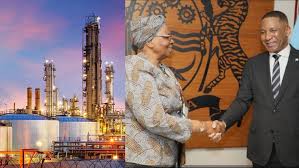
Namibia and Botswana plan to build a joint $4 billion oil refinery to cut fuel imports and secure energy supplies for Southern Africa.
The refinery will process 60,000 to 100,000 barrels of crude oil per day. It will operate from two sites: Walvis Bay in Namibia and Ghanzi in Botswana. Officials say the twin-site model will boost regional energy integration and create thousands of jobs during and after construction.
The plant will produce petrol, diesel, kerosene, and jet fuel. Its distribution will reach beyond Namibia and Botswana to fuel-deficient neighbours such as Zimbabwe, Zambia, and the Democratic Republic of Congo (DRC).
Namibia and Botswana both rely heavily on imported petroleum products. This dependence makes their economies vulnerable to volatile global prices and shipping delays. The new refinery aims to cut import bills and guarantee steady fuel supplies across the region.
Namibian Minister of Mines and Energy, Tom Alweendo, called the project “a strategic investment that will not only serve our domestic markets but also position our countries as regional energy hubs.”
Botswana’s Minister of Mineral Resources and Energy, Lefoko Moagi, agreed. He said the project supports both nations’ long-term energy security goals and aligns with the Southern African Development Community’s (SADC) vision of regional integration.
Building a Regional Energy Hub
Experts say the facility could transform Walvis Bay into a major petroleum export hub. It will complement Namibia’s offshore oil discoveries and Botswana’s expanding infrastructure.
Energy economist Dr Elias Nambala explained, “With crude production ramping up in Namibia’s offshore fields, it makes perfect economic sense to refine products locally rather than shipping crude abroad. This project could change the dynamics of fuel pricing across Southern Africa.”
The refinery will create over 5,000 jobs during construction and several hundred permanent roles after completion. It will also support local industries such as logistics, engineering, and services.
Both governments say financing talks are advanced. A consortium of private investors, development banks, and potential international oil partners are involved.
READ ALSO: Namibia’s Power Shift: Women Rewriting Africa’s Future
Fuel shortages often disrupt economies in Zimbabwe and Zambia, while the DRC struggles with chronic supply chain issues. Officials believe the refinery’s exports will stabilise markets and reduce pump prices across the bloc.
Groundbreaking is expected in 2026. The first production phase could start within four to five years, depending on regulatory approvals and financing.
Namibia-Botswana Refinery
- Cost: $4 billion
- Capacity: 60,000–100,000 barrels per day
- Products: Petrol, diesel, kerosene, jet fuel
- Locations: Walvis Bay (Namibia) & Ghanzi (Botswana)
- Beneficiaries: Namibia, Botswana, Zimbabwe, Zambia, DRC
- Jobs: 5,000+ during construction

Esther Ososanya is an investigative journalist with Pinnacle Daily, reporting across health, business, environment, metro, Fct and crime. Known for her bold, empathetic storytelling, she uncovers hidden truths, challenges broken systems, and gives voice to overlooked Nigerians. Her work drives national conversations and demands accountability one powerful story at a time.