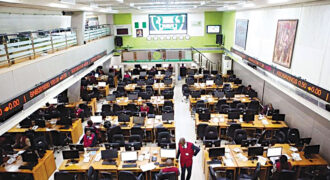
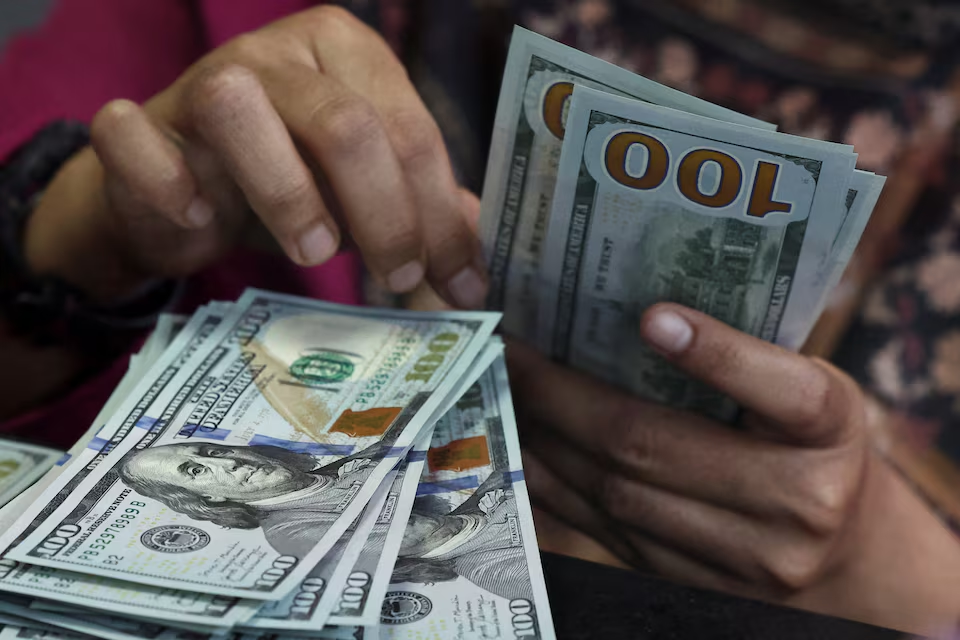
Currency traders attribute the recent strengthening of the naira and the stability of the forex market to factors such as an excess supply of dollars and increased enforcement actions by security agencies targeting forex speculators and hoarders.
They point to several additional factors contributing to the naira’s improved performance, including the Central Bank of Nigeria’s (CBN) efficient policy implementation, enhanced fiscal buffers, growing investor confidence, a favourable balance of payments, increased foreign inflows, and positive market sentiments.
As a result of these dynamics, the forex market has seen relative stability, with the naira appreciating at the parallel market to N1,535/$1 on July 29, 2025, up from N1,580/$1 on July 1, 2025. This appreciation signifies renewed investor confidence and the CBN’s ongoing efforts to stabilise the currency.
Analysts suggest that the naira’s upward trend indicates a favourable market response to the CBN’s reform and monetary tightening measures.
Limited access to foreign exchange has long been a significant challenge for the Nigerian economy, often relegating businesses and individuals to the more volatile parallel market, where speculation has flourished. In response, the CBN has rolled out several reforms aimed at attracting foreign capital, managing price stability, and restoring trust in the exchange rate system.
READ ALSO: Nigeria Launches Public Sector Leadership Reform
These initiatives are beginning to yield tangible benefits, with improved external reserves and greater access to forex through official channels. Consequently, Nigerian banks have lifted a three-year moratorium on the use of naira-funded debit cards internationally, which has also positively affected the naira’s value against the dollar and other currencies.
Currency traders in Lagos and Abuja report a notable increase in dollar supply in the official market, leading to a convergence of rates between the Nigerian Foreign Exchange Market (NFEM) and the parallel market.
Increased Dollar Supply
In an exclusive discussion with Nairametrics, Aminu Gwadebe, President of the Association of Bureau De Change (BDC) operators, confirmed the recent stability in the forex market, emphasising that supply has consistently outpaced demand.
He attributed the naira’s strength and market stability to effective CBN policies, commodity price stability, fiscal discipline, and the cessation of certain financial practices.
Gwadebe stated, “The forex market is stable; supply exceeds demand. The effectiveness of policy reforms, fiscal discipline, and commodity price stability are key factors behind the naira’s current strength. The overall volatility remains low at present exchange rates.”
He also highlighted the positive contributions of agencies such as the EFCC and NFIU, which have launched various initiatives to enhance financial literacy and regulate market behaviour.
Driving Forces Behind Naira Performance
Gwadebe outlined several driving forces behind the naira’s improved performance: an oversupply of dollars, effective CBN policies, investor confidence, increased foreign inflows, and reduced speculation due to security agency interventions.
He identified sources of this enhanced forex supply, including increased diaspora remittances, robust fiscal buffers, and political activities that boost the balance of payments.
Overall, a renewed sense of confidence among investors and Nigerians regarding local currency stability has emerged, in part due to a reduction in illegal activities such as speculation and hoarding.
Fewer Speculators
BDC operator Abubakar observed that recent dollar supply levels have surged, leading many to feel less inclined to hoard dollars. He remarked, “There has been much supply into the market recently, and many people no longer feel the need to hold onto dollars for speculation.”
Another anonymous BDC operator suggested that positive growth forecasts from agencies like Fitch and Moody’s might also contribute to the current market sentiment, noting that the black market has performed better than the official market in recent weeks.

Sunday Michael Ogwu is a Nigerian journalist and editor of Pinnacle Daily. He is known for his work in business and economic reporting. He has held editorial roles in prominent Nigerian media outlets, where he has focused on economic policy, financial markets, and developmental issues affecting Nigeria and Africa more broadly.