

The Petroleum Products Retail Outlets Owners Association of Nigeria (PETROAN) has called on the Nigerian government to declare a state of emergency on crude oil and gas production in the country as part of efforts to boost the energy self-sufficiency drive.
PETROAN National President, Dr Billy Gillis-Harry, who appeared on Channels Television Business Morning on Monday, warned that the ongoing Middle East crisis threatens Nigeria’s energy security and could trigger further increases in fuel prices across the country.
He noted that the hostilities around the strategic Strait of Hormuz caused by the conflict have significantly disrupted global energy markets and supply chains. The Strait of Hormuz is a critical maritime route through which approximately 20 per cent of the world’s crude oil supply passes daily.
Already, the surge in global crude prices to above $100 per barrel has affected prices of refined petroleum products in Nigeria. Petrol pump prices have jumped by over 50 per cent, currently between N1,220 and N1,400 per litre, depending on location.

“What we should think about is more production. When you have more production, then you can give… NUPRC, the president and everyone in the industry that is supposed to work on improved crude oil production and gas should take a very strong exception to how that is not working and declare a state of emergency for production of crude oil in Nigeria,” Gillis-Harry stated.
The Production Gap
Nigeria is currently facing a significant crude oil production shortfall. Data indicates the country is pumping approximately 1.46 million barrels per day of crude oil and condensate instead of the 1.84 million target – a gap of about 380,000 barrels daily. In February, production dipped further to 1.31 million barrels per day, mainly due to Shell shutting down a major 225,000 bpd facility for maintenance.
This production deficit comes at a time when Brent crude now trades between $102 and $114 per barrel, far above Nigeria’s 2026 budget benchmark of $64.85. The missed opportunity represents a theoretical annual windfall of approximately N28.3 trillion that Nigeria is failing to capture.
Industry experts note that much of Nigeria’s crude is already pledged to creditors and refineries under crude-backed loan agreements, with about 125,000 barrels per day committed until 2028. This means a sizable portion of current production does not generate new revenue despite high global prices.
READ ALSO:
- Nigeria’s Oil Reserves Stand at 37 Billion Barrels, to Last 59 Years – NUPRC
- Middle East Tensions: Concerns as Fuel Prices Rise in Nigeria After Oil Price Surge
- Nigeria Boosts Oil Exports with First Shipping of 950,000 barrels of Cawthorne crude to India
- Nigeria Loses ₦2.2trn Oil Revenue in 2 Months Despite Windfall
Boosting Domestic refining
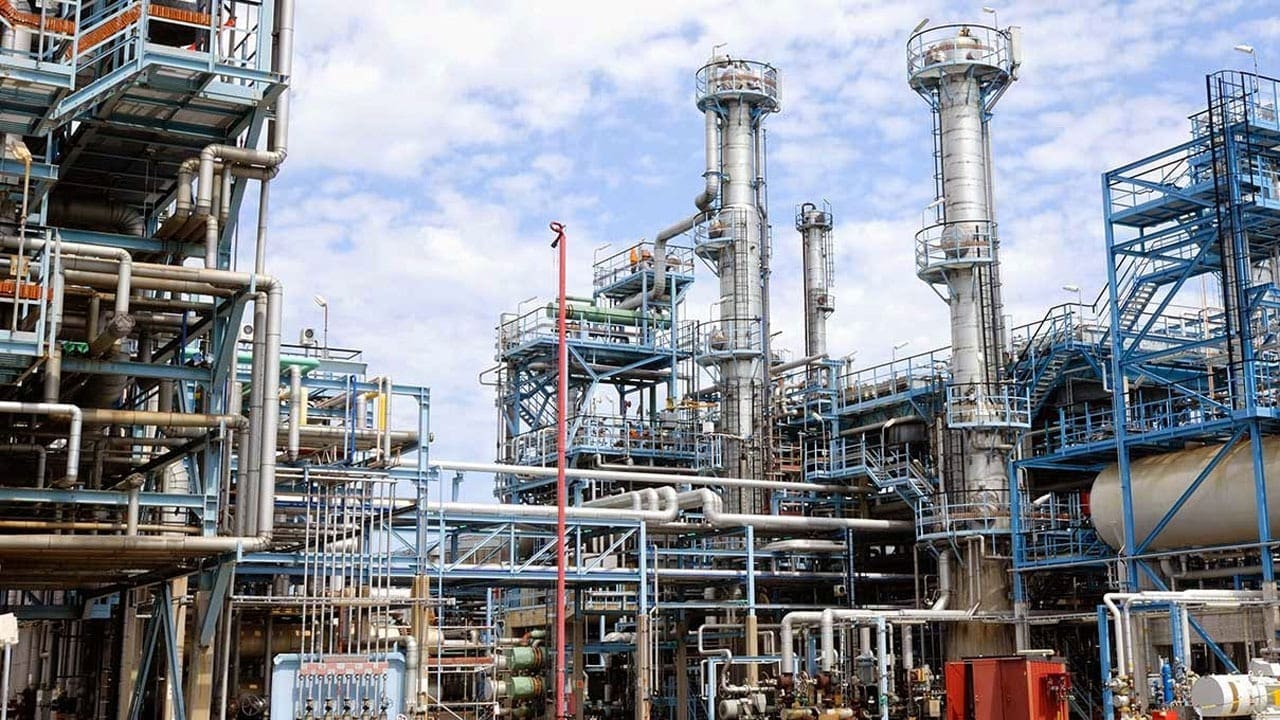
The PETROAN National President called for deeper commitment towards revamping the state-owned refineries, asserting that if the state-owned refineries – Port Harcourt, Warri and Kaduna – were working, Nigeria would have been insulated from the effect of the current global oil volatility caused by the Middle East war involving the United States, Israel, and Iran.
“If we had our local refineries, especially the ones that are owned by NNPC, working, in addition to what Dangote has done for us, Nigerians would be cushioned from some of these vagaries that are affecting us from the Iran-Israeli-American war,” Gillis-Harry stated.
In a statement released earlier during the weekend, PETROAN said revamping the refineries would help to boost local refining capacity and reduce dependence on imports.
The group gave the recommendations while commending NNPC GCEO, Engr Bayo Ojulari, in his one year in office.
It commended Ojulari’s leadership of the NNPC for the renewed focus on reviving the refineries through strategic partnerships.
“PETROAN believes that the timely operationalisation of these refineries remains critical to achieving energy security and reducing the nation’s dependence on imported petroleum products.
“We also commend efforts aimed at boosting crude oil production and strengthening the value chain across upstream, midstream, and downstream operations,” he said.
While applauding the achievements recorded so far, PETROAN called for continued commitment to transparency, fairness, and stakeholder participation in critical decisions within the petroleum sector, including issues surrounding pipeline security and equitable distribution of opportunities among host communities.
Call for State of Emergency
PETROAN’s call aligns with recommendations from other groups and stakeholders in the industry. In January 2026, a high-level inter-agency committee set up by the Revenue Mobilisation Allocation and Fiscal Commission (RMAFC) urged the President to consider declaring a state of emergency in the oil and gas sector to curb criminal activities by operators, address security challenges in offshore operations, and restore regulatory discipline.
The RMAFC committee also recommended a forensic audit of crude oil and gas production from 2004 to date, spanning more than two decades of output and revenue remittances into the Federation Account, alongside the immediate metering of all crude oil and gas flow stations nationwide.
Challenges to Ramping Up Production
While the federal government has recently shortened permit approval times for restarting idle wells from weeks to hours to benefit from the high-price environment, significant obstacles remain.
Industry stakeholders note that reactivating dormant wells requires substantial capital investment, with estimates ranging between $5 million and $25 million per well. With over 400 idle wells identified, the cumulative investment required could exceed $6 billion. Additionally, operators would need between six months and two years to bring these wells back into production.
Energy economist Prof. Adeola Adenikinju noted, “Accelerated approvals alone will not lead to a major increase in output unless there is access to funding and support for operators to execute these projects.”
PETROAN emphasised the need for diplomatic engagement and peaceful resolution in energy-producing regions to safeguard global petroleum supply chains and protect Nigeria’s national economic interests. The association remains committed to monitoring global market developments and advocating for policies that strengthen domestic refining capacity while shielding consumers from excessive fuel price shocks.

Victor Ezeja is a Nigerian journalist skilled in producing insightful news analyses, feature stories, and interviews that simplify complex issues and drive informed public discourse. His work combines rigorous research, balanced reporting, and compelling storytelling to highlight developments shaping industries and society. Victor, who holds a Master's Degree in Mass Communication, specializes in energy, aviation, business, and economic reporting. He can be reached via @VICTOREZEJA on X