

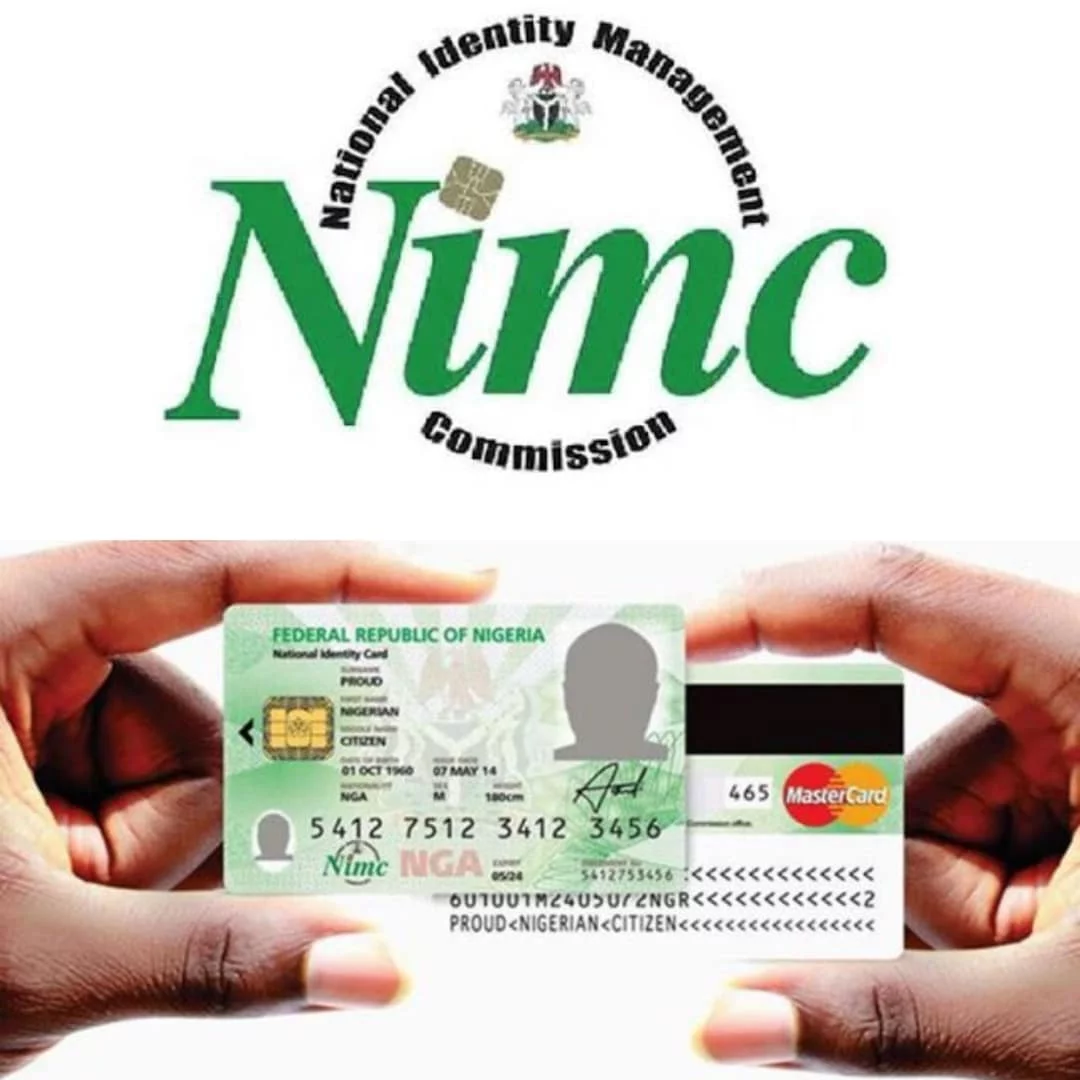
The newly enacted National Identity Management Commission (NIMC) Act 2026 introduces sweeping changes to Nigeria’s digital public architecture, and boosts efforts to strengthen internal security.
The new law, which replaces the old 2007 legal framework, tackles modern realities like cyber threats, identity theft, database fragmentation, and digital commerce.
In a post on social media, Minister of Interior, Dr Olubunmi Tunji-Ojo, highlighted the key features of the new Act, describing it as “a landmark piece of legislation, signifying a transformative milestone in Nigeria’s journey towards a secure, inclusive and digitally empowered nation.”
What is NEW in the NIMC Law?
According to the minister, the NIMC Act 2026 has the following features:
“1. It provides robust data protection and privacy by introducing stronger safeguards for personal data in alignment with the Nigeria Data Protection Act (NDPA) and international best practices, ensuring that Nigerians’ personal information is processed, stored and protected in accordance with globally accepted privacy standards.
“2. The new law designates NIMC as the root certification authority for Nigeria’s National Public Key Infrastructure (PKI) and Digital Public Infrastructure (DPI), establishing the Commission as the nation’s trusted authority responsible for secure digital identity, authentication and electronic trust services.
“3. It empowers NIMC to ensure secure, interoperable and seamless data exchange among Ministries, Departments and Agencies (MDAs), private organisations and other authorised entities.
“4. It positions the NIMC General Multipurpose Card as a versatile identity credential for nationwide identity verification under the theme “One Card, Multiple Possibilities,” among other things.”
READ ALSO:
- Nigeria Upgrades Digital Identity System as Tinubu Signs New NIMC Act
- Don’t Sell Your NIN for ₦2,000, NIMC Warns
- What to Know About Tax ID Requirement to Operate Bank Account
- NMDPRA Launches Digital Portal to Boost Transparency in Host Community Trusts
- NUPRC, Defence Ministry Deepen Collaboration to Tackle Oil Theft
Why It Matters to Nigerians
The Interior Minister emphasised that the implementation of the Act will “deliver significant benefits by creating a trusted, secure and interoperable digital identity ecosystem that enables seamless access to services across both the public and private sectors while strengthening electronic trust across Nigeria’s digital economy.
“With this new law, Nigerians, even those in the diaspora, can expect wider, easier and more convenient access to identity services; stronger protection of personal data and privacy; enhanced cybersecurity and greater confidence in digital transactions; faster, safer and more secure identity verification and authentication; and a stronger foundation for Nigeria’s digital economy, digital governance and long-term national development.”
He added that the legislation renews the trust of Nigerians in President Bola Ahmed Tinubu’s commitment to building a one trillion dollar economy.
